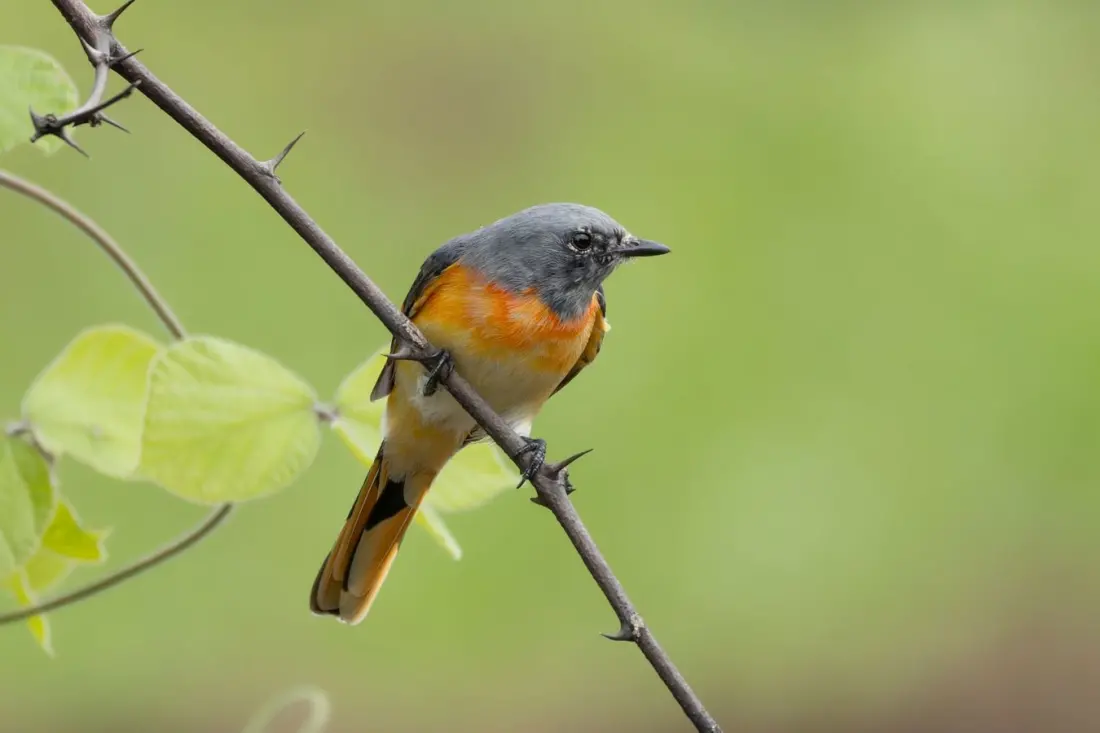
Colombia records more than 1,900 bird species — the most in the world — and much of that variety is packed into the country's southwest. With three Andean ranges, two coasts, the Amazon and the Eastern Plains all within its borders, the country hosts everything from endemic cloud-forest gems to North American migrants. For travellers with a single week, Cali makes an unusually practical base: official recognition as the 'City of Birds' came in 2024, and inventories credit the municipality with between 561 and 562 recorded species — the highest urban bird diversity in Colombia.
What makes Cali workable is scale. Wetlands, dry forest patches and river corridors sit inside the city itself, while cloud forest and high Andean habitats are a short drive away, so you can rotate habitats without constantly changing hotels. Start with the urban circuit: Ecoparque de las Garzas for herons and waterbirds, La Babilla Wetland, the green walking route along the Cali River, the Botanical Garden for hummingbirds and tanagers, and an early-morning loop through San Antonio Park and its lookout.
The headline act lies up at Kilometre 18 on the road to Buenaventura, where the San Antonio Cloud Forest shelters private reserves and birding farms with feeding stations — the most reliable way to see the multicoloured tanager, an endemic of Colombia's Western Andes, alongside golden-headed quetzals and a parade of hummingbirds. Book these reserves ahead. Other day trips include La Leonera, a rural district where guides run excursions for the crested, vivid-orange Andean cock-of-the-rock; Farallones de Cali National Natural Park, which needs advance permits or authorised operators; and Pance, at the foothills, where it pays to separate the busy recreational zones from quieter conservation areas.
Timing matters. Resident species are present year-round, but North American migrants pass through Valle del Cauca mainly between September and April. Drier months make rural roads and mountain trails easier; rain doesn't kill the birding, but check trail conditions before heading up. A sensible seven-day plan: two days on the urban sites, a full day each at Km 18, La Leonera and an authorised Farallones sector, a day in Pance, and a final return visit to whichever spot gave you your best sightings — or your biggest misses.
Practicalities shape the experience more than most birders expect. A local guide earns their fee by knowing calls, behaviour and current stakeouts, and reputable operators should be transparent about transport, entrance fees and equipment. Bring binoculars, a telephoto lens if you shoot, neutral clothing, wet-terrain footwear, rain gear and layers — mountain temperatures swing fast. Check recent sighting reports from each reserve rather than trusting species lists, and keep ethics front and centre: no recorded-call spamming, no nest disturbance, no chasing. The Colombian Ornithological Association, SiB Colombia and eBird are the go-to references for building a realistic target list.
For anyone who wants world-class birding without an expedition-logistics degree, Cali's mix of in-city wetlands and drive-in cloud forest is hard to beat.