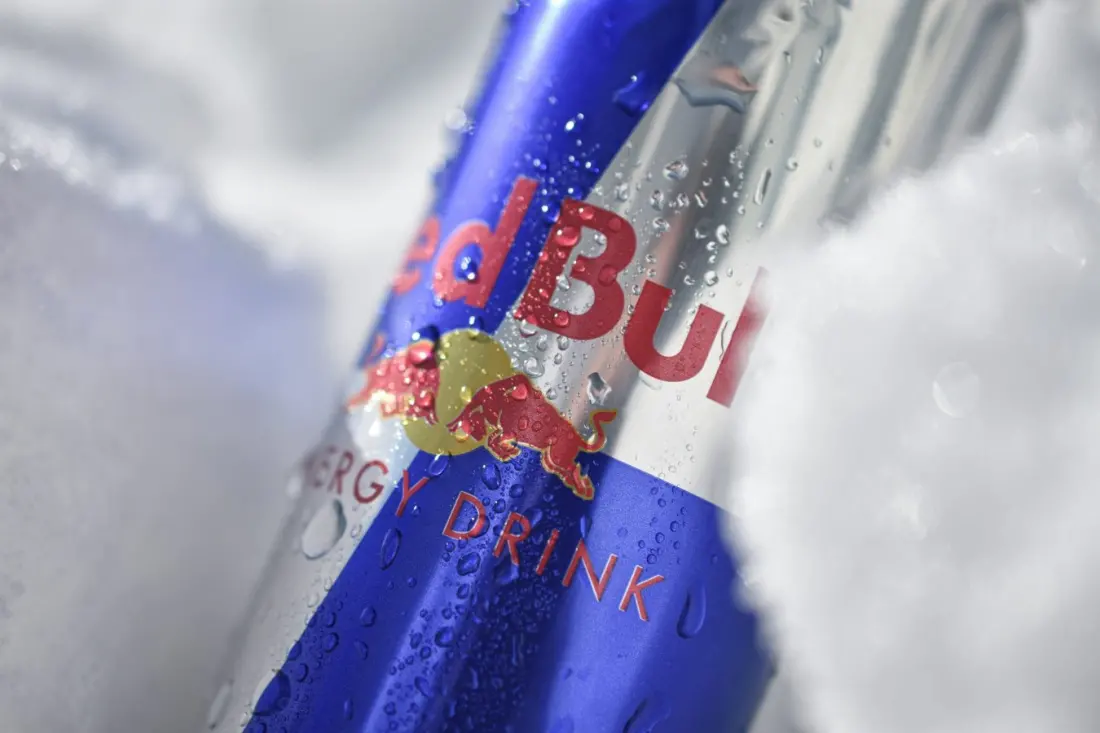
Teenagers in Croatia will soon find one thing off the cafe menu: energy drinks. Following a ban on shop sales to under-18s that took effect in June, the Ministry of Health is now drafting legislation that would extend the restriction to bars, cafes and other hospitality venues, closing the obvious loophole.
The new measure comes via the Hospitality Activity Act, which is headed for a second reading in Parliament, alongside a dedicated Act on Restricting the Use of Energy Drinks and Products Similar to Energy Drinks by persons under 18. Health Minister Dr Irena Hrstić framed the push as prevention rather than punishment, arguing the effects of these drinks are stronger on young bodies that are still developing and that clear rules, not just packaging warnings, are needed.
There is data behind the concern. The Croatian Institute of Public Health (HZJZ) has found energy drink consumption is widespread among schoolchildren, with some drinking 750 millilitres or more in a single sitting — several times a typical serving. High caffeine levels, added stimulants and sugar are linked to negative effects on the heart and circulatory system, the nervous system and mental health, with children considered more vulnerable than adults.
The draft law sets a practical definition: any drink with more than 150 milligrams of caffeine per litre, from any source, counts as an energy drink — though coffee, tea and cocoa-based products are exempt. Crucially, the ban will also cover products that match an energy drink in composition or effect regardless of format, so reformulated lookalikes will not slip through.
The rules go well beyond the till. Advertising aimed at minors will be prohibited, and advertising, sale and display will be banned outright in schools and other institutions where children spend time. Schools will be required to teach about the harms of energy drinks through preventive programmes, and health monitoring is planned.
The HZJZ takes the expert lead. It will run a mandatory register of products covered by the law, assess the risk each poses to under-18s, decide what counts as 'similar to an energy drink', and can issue temporary ban orders for fast responses to new products on the market. The ministry has filed the required paperwork with the Government's Office for Legislation, public consultation will run on the e-Consultations portal, and submission to Government is planned by the end of this year.
For visitors, the practical takeaway is simple: if you are travelling to Croatia with teenagers, expect them not to be served energy drinks in cafes or sold them in shops. Staff and retailers will carry the legal responsibility, so the refusal is not a shopkeeper's whim. For anyone running or investing in Croatian hospitality, the message is to check ID for these products the same way you would for alcohol. With the well-known cafe culture along the Dalmatian coast and in Zagreb, where soft drinks and coffee flow all day, it is a small but noticeable change to what families can order at the counter.
Total Croatia