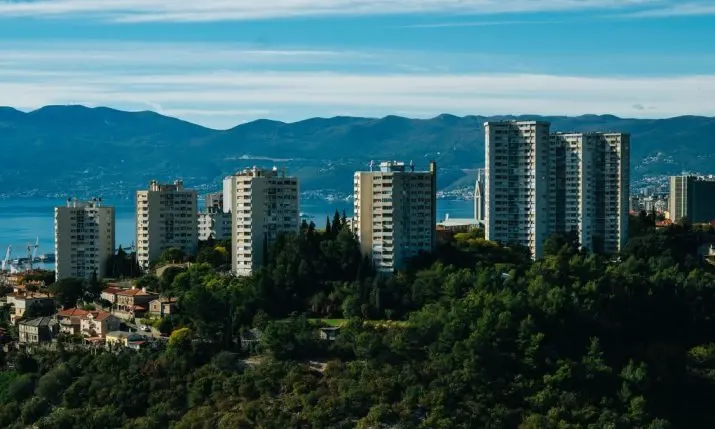
Croatia's housing market has a strange thing going on: prices keep climbing while sales keep falling. A new analysis from the Croatian Association of Real Estate Agencies (HUPN), based on more than 200,000 actual transactions, puts apartment prices 73% higher than five years ago — even though the number of sales has dropped 31% over the same period.
The numbers, presented at a Zagreb forum on 23 November by Filip Brkan of Imperium Immobiliare, track real deals rather than optimistic asking prices, which makes them worth taking seriously. And they paint a picture of a market drifting out of reach for ordinary earners. Back in 2021, an average monthly net salary bought 0.61 square metres of apartment. By 2026, that had slipped to 0.51 square metres. Prices rose 73% while average net wages went up 53% — the gap tells its own story.
The squeeze is sharpest at the affordable end. Flats under €100,000 made up 56% of transactions in 2021; that share is now just 16%. Small apartments have seen the steepest per-square-metre increases, up 88% in five years — probably because they're the entry point for buyers with limited budgets.
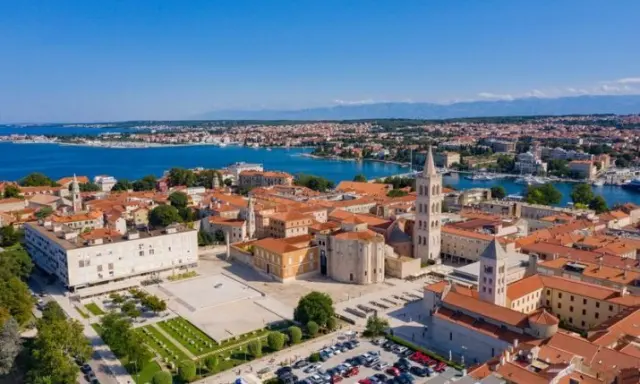
Where does that leave the famous coastal cities? Split is now the priciest major market at an average €4,407 per square metre, edging out Dubrovnik at €4,354. Zagreb sits at €3,440. Meanwhile the divide between the coast and the east has widened: the difference between Split and Osijek grew from €1,340 per square metre in 2021 to €2,290 by 2025.
So why do prices rise when fewer people are buying? Industry voices at the forum argue that classic supply-and-demand doesn't fully explain it. Branko Papeš of Dogma Nekretnine points to a deep cultural appetite for owning property, sellers under no financial pressure to sell, and widespread expectations that prices will keep going up anyway. The result is a paradox: a slowing market that refuses to get cheaper.
The analysis does include a caution. If transactions keep sliding into 2027 while prices stall, that combination could signal the start of a correction — though that's a scenario, not a forecast.
For travellers and would-be buyers, the takeaway is practical. Croatia remains wildly popular — the coast, the islands, the restored stone towns — but if you've been mulling a holiday flat or a relocation, the cheap-entry window is narrowing fast. Sub-€100,000 options are now rare, and small apartments, the natural first purchase, have seen the biggest hikes. The inland cities offer real value relative to the Adriatic, though the gap reflects genuine demand differences. Anyone considering a purchase should watch transaction volumes over the next year: a continued slowdown with flat prices would suggest more patient timing might pay off. Either way, negotiating from a position of "prices always rise" is no longer a safe assumption — for buyers or sellers.