Croatia's residential property market is getting more expensive even as fewer homes change hands. New figures from the Croatian Bureau of Statistics (DZS) show prices rose 12.7% year-on-year in the second quarter of 2026, and were up 2.7% on the first quarter.
Older homes are driving the surge. Prices for existing properties climbed 14.1% over the year, well ahead of the 9.2% rise for new builds, and they also gained more ground between quarters (3.4% versus 0.8%).
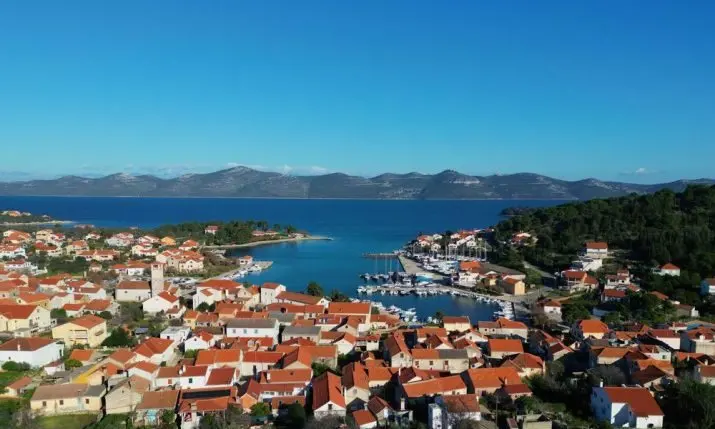
The picture varies sharply by region. Zagreb recorded the biggest quarterly jump at 4.1%, with the rest of inland Croatia at 3.3% and the Adriatic coast at just 1.2%. Over twelve months, though, the strongest growth was actually outside the capital and the coast: prices in the rest of Croatia rose 15.8%, Zagreb 15.7%, and the Adriatic a comparatively modest 9.0%. In other words, the coastal hotspots long favoured by foreign buyers are seeing slower — though still solid — inflation than inland cities and towns.
The twist in the data is volume. Transactions were down by a third year-on-year in the second quarter, with existing-home sales falling 35.9% and new-home sales 25.0%. The total value of deals dropped 24.5%. Against the first quarter, sales did rebound by 23.2%, but the annual slide suggests high prices are pricing buyers out.
Why does this matter for travellers? Anyone toying with a Croatian holiday home — a long-popular option for Central Europeans along the Dalmatian and Istrian coasts, and increasingly in Zagreb — is now buying into a market where asking prices have climbed for years while transaction activity cools. That combination can open room for negotiation, particularly on existing apartments, while new-build prices are rising more gently. For renters and long-stay visitors, the same upward pressure tends to feed into coastal and capital rental rates over time. DZS notes the second-quarter figures are provisional and based on Tax Administration transaction data.