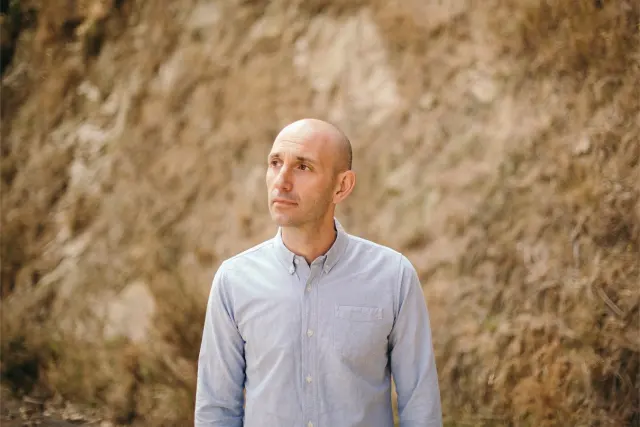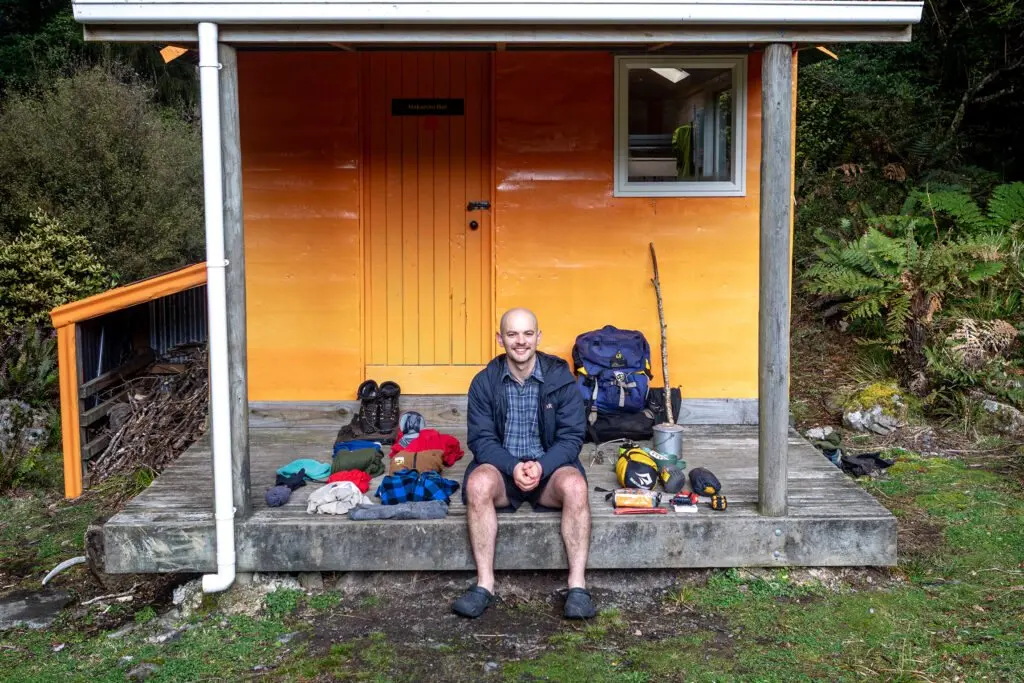
Twenty-eight years of tramping around Aotearoa New Zealand teaches you a thing or two about what belongs in a pack. Sam Harrison, a Wellington-based photographer and regular contributor to Wilderness Magazine, grew up at the top of the South Island and has spent nearly three decades crawling, stumbling and climbing through the country's backcountry with a camera permanently at his side.
Wilderness Magazine's "What's in my pack" series taps exactly the kind of person you want gear advice from: not a reviewer who tests a pack for a weekend, but someone whose kit has to survive river crossings, scrub-bashing and multi-day trips in New Zealand's famously changeable weather, while still being light enough to carry up a ridge. Harrison's profile doubles as a window into how a tramper-photographer balances the two conflicting demands of the craft — camera gear adds weight, but the whole point of being out there is coming home with the shot.
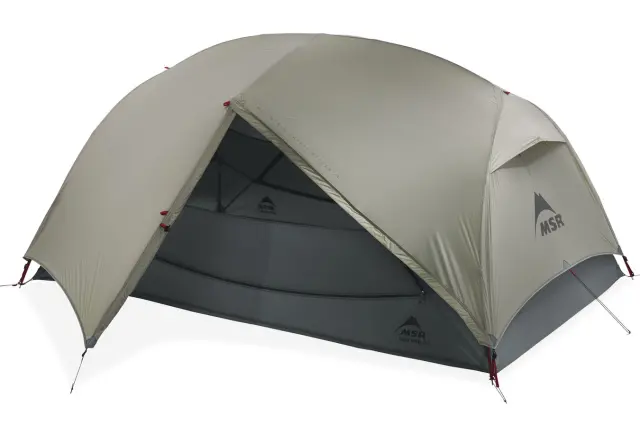
The magazine's gear features are worth a browse even if you're not a photographer. Reading what experienced trampers actually carry — and what they've cut over the years — is one of the fastest ways to sanity-check your own packing list before a trip. New Zealand's backcountry has specific demands that generic overseas packing lists miss: you need solid rain protection year-round, footwear that handles mud and riverbeds, and enough spare food for when a route takes longer than planned. The Department of Conservation's hut network shapes how locals pack too, since a bunk and basic cooking facilities mean you can skip a tent and stove on many popular routes.
For travellers planning a walking trip to New Zealand, this kind of local-first content is a useful complement to the official trail guides. The country's Great Walks — the Milford, Routeburn, Kepler, Abel Tasman and others — get the headlines, but the real culture of tramping lives in the backcountry beyond them, and the people who write for Wilderness Magazine are the ones who know it best. Their packing insights apply whether you're attempting a remote traverse or just doing an overnighter near Wellington's own hill tracks, which start practically at Harrison's doorstep.
If you're heading over, treat these gear rundowns as a starting point, then adjust for your own route, season and fitness. And if you do pack a camera, take a leaf from Harrison's book: the best shots in New Zealand's backcountry tend to go to the people who are already out there when the light turns good.
Story via Wilderness Magazine NZ.