A new report from the EU's Copernicus Atmosphere Monitoring Service (CAMS) has found that a third of the world's population was exposed to extremely high ozone pollution in the first eight months of 2026 — and Asia is by far the worst affected. More than half the continent's population, 53 per cent, breathed air classed as "extremely poor" between January and mid-September, with another 22 per cent in the "very poor" band.
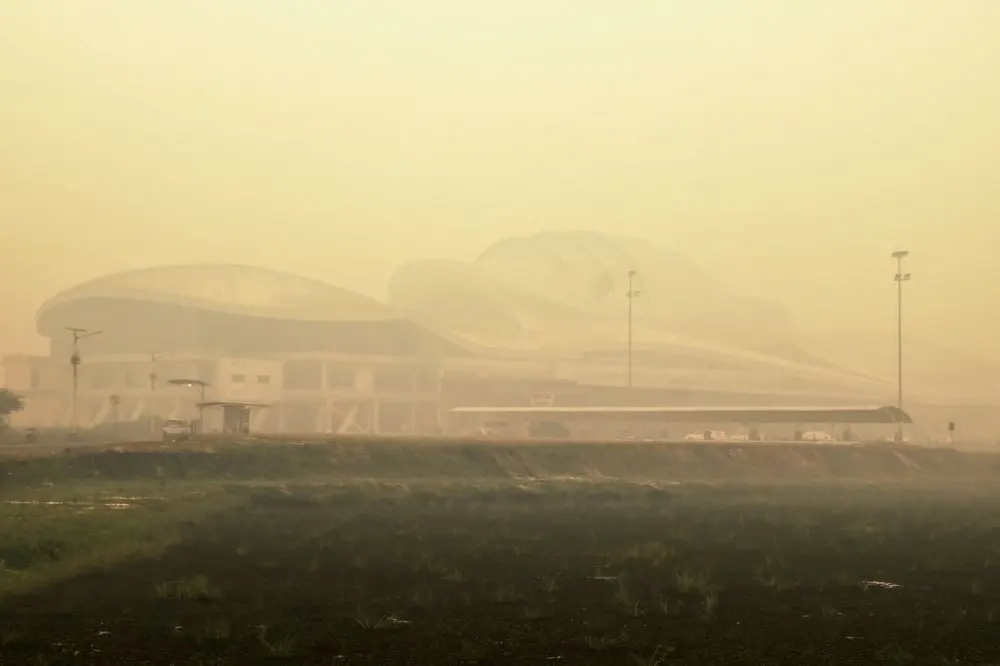
Ground-level ozone isn't emitted directly. It forms when heat and sunlight react with emissions from vehicles, industry and wildfires — which is exactly why climate change keeps making it worse. This year's record heatwaves and wildfires across Europe and North America, major fires in Indonesia, and a strengthening El Nino expected to peak later in the year have all combined to push ozone levels up across much of the planet.
For travellers, the city list is the most useful part of the report. New Delhi, Dhaka, Chongqing and Lahore were all flagged with "extremely poor" ozone readings — cities that between them attract a lot of business and leisure traffic. The WHO recommends no more than 100 micrograms of ozone per cubic metre, averaged over eight hours, and these cities exceeded that guidance by wide margins. The report also notes that wildfire smoke and pollution travel thousands of kilometres, so even destinations far from the source can be affected — a reminder to check live air quality readings, not just headlines, before you go.
There is a clear global divide. Only five per cent of people worldwide breathed "good" ozone levels this year, and in Europe — where ozone is linked to roughly 60,000 premature deaths annually — 45 per cent of the population faced poor or very poor air. North America fared little better, and ozone levels there have stayed essentially flat despite emissions policies. The standout success story is Oceania: 66 per cent of people in Australia and New Zealand enjoyed genuinely good ozone levels, with most of the rest in merely "fair" conditions. For anyone sensitive to air pollution — asthmatics, families with young children, older travellers — that makes Australia and New Zealand particularly appealing destinations in the current climate.
South America sits in between: Rio de Janeiro and Sao Paulo had very high readings, but 81 per cent of the continent's population enjoyed good or fair air. Africa's challenges come more from crop burning, cooking fires and Saharan dust that drifts as far as Europe.
Why does this matter for holiday planning? Because poor air quality can undo a trip as quickly as a storm. Travellers with respiratory conditions should factor ozone forecasts into destination choices, especially for city breaks in South Asia during the dry season, when pollution and agricultural burning compound each other. The practical move: pack any inhalers you need, monitor the air quality index alongside the weather forecast in the weeks before departure, and consider timing city visits outside peak pollution months. As El Nino intensifies into the end of the year, southeast Asia in particular could see more haze from fires — worth keeping an eye on if Bali, Singapore or Kuala Lumpur are on your list.