Kyrgyzstan has been making noise about mountains — and its latest push happened in Yerevan, where a new international platform dedicated to mountain and freshwater ecosystems was launched on the sidelines of the UN biodiversity conference, COP17. The Yerevan Platform aims to unite the world's mountain countries, pool conservation funding and build stronger cooperation around ecosystems that rarely get the diplomatic attention lowland habitats do.
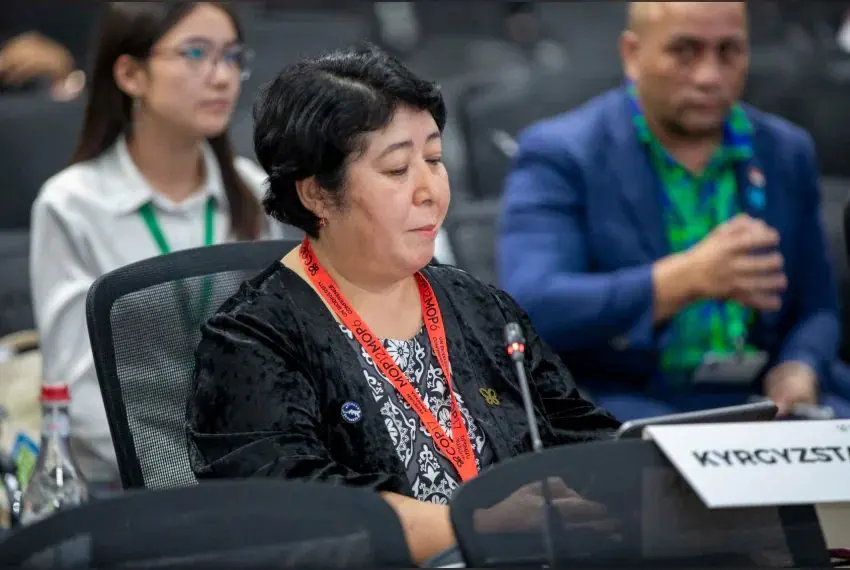
A Kyrgyz delegation led by presidential special representative Dinara Kemelova worked a busy schedule: the launch of a new biodiversity monitoring technology centre in Yerevan, a global dialogue on mountain and freshwater biodiversity, an IUCN session on turning restoration pledges into action, and a UNDP event on the mountain agenda. Kyrgyzstan also co-hosted a session with Armenia and France titled 'High Peaks, High Stakes: Protecting Mountain Ecosystems'.
Kemelova's core argument was that mountain nations need better access to money. She flagged three Kyrgyz-led efforts: a dedicated mountain programme under the Global Environment Facility, a Global Mountain Regions Resilience Center being set up in Bishkek, and a UN trust fund for conserving Issyk-Kul, the enormous alpine lake that anchors the country's tourism identity. Delegates also previewed Bishkek+25, the Second Global Mountain Summit the country will host.
The diplomacy went beyond panels. Kyrgyzstan held bilateral talks with the heads of the GEF and UNEP and met representatives from Japan, Germany, Brazil, Colombia, Kenya, Bangladesh, the Czech Republic and Lesotho — a mix of mountain nations and major funders. One of COP17's concrete results was a decision to refresh the international work programme on mountain biodiversity before COP18, and Kyrgyzstan secured a seat at the table: Kumar Mambetaliev of the Ministry of Natural Resources was re-elected to the conference bureau.
Why should a traveller care? Because Kyrgyzstan's case for protection is basically its greatest sightseeing pitch. This is a country of 90-plus percent mountains — the Tian Shan — with trekking around Ala-Kul, horseback trips through the Song-Kol high pastures, and Issyk-Kul's beaches and shores drawing visitors from across the region. Stronger conservation funding and a high-profile resilience centre in Bishkek could mean better-managed trails, protected lake water quality and a more sustainable tourism model as visitor numbers grow. If you've been meaning to see Central Asia's mountains before the crowds arrive, the window is now — and the country is actively lobbying to keep them intact.