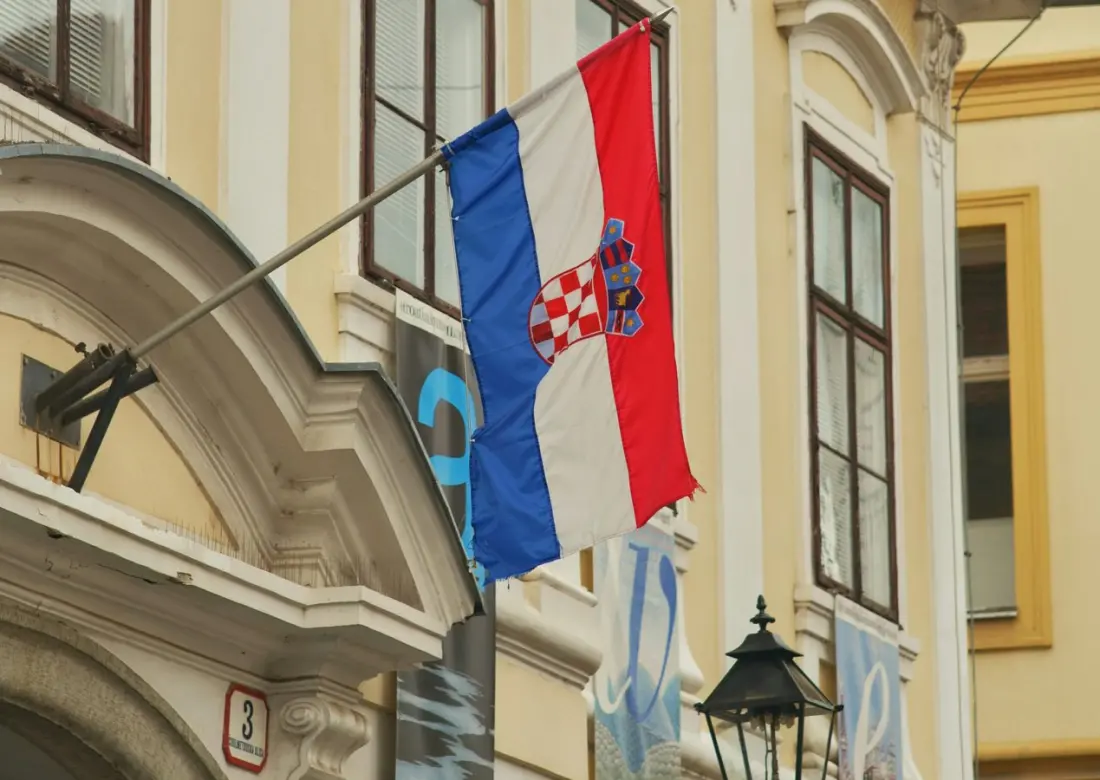
If your grandparents left Yugoslavia for North America decades ago, you might assume a Croatian – and therefore EU – passport is yours for the paperwork. A warning from the Croatian diaspora press suggests otherwise: applications are being rejected over a detail many DIY applicants never consider – not when the family left, but why.
Under the Croatian Citizenship Act, the emigrant and descent routes hinge on a single date: 8 October 1991. Your ancestor must have left the territory of present-day Croatia before then for the pathway to open. Plenty of families tick that box easily – departures in the 1960s, 70s or 80s are decades clear of the cutoff. Yet the Ministry of the Interior (MUP) applies a much narrower definition of 'emigrant' than most applicants expect: someone who left with the clear, permanent intention of abandoning their residence in Croatia and resettling abroad.
Two traps catch people out repeatedly. The first is what could be called the internal migration problem. If an ancestor was born in Croatia but first moved to another Yugoslav republic – Serbia, Bosnia and Herzegovina, Slovenia – before continuing on to, say, the United States, Croatian authorities may not count them as an emigrant from Croatia at all. The original move was internal migration within one federal state, and that can break the chain of descent entirely.
The second trap involves the gastarbajteri generation. Hundreds of thousands of Yugoslavs left as temporary guest workers in the 1970s and 80s, often keeping residency rights, property and legal ties back home with every intention of returning. If MUP reads an ancestor's departure as temporary economic migration rather than a permanent break, the emigrant-track application can be denied.
So what actually convinces the reviewing officers? Not a plane ticket or a family story. Applicants need a coordinated paper trail: a foreign naturalisation timeline showing when the ancestor took citizenship in their new country, historical maritime or flight arrival records matching the resettlement, and a structured motivation letter that frames the family's history to meet Croatia's strict legal thresholds. That means navigating decades-old Yugoslav exit law, international naturalisation records and precise legal Croatian – a genuine challenge for anyone applying alone.
For travellers, this matters more than it might first appear. Croatian citizenship is EU citizenship: the right to live, work and travel freely across the bloc, plus a second passport for visa-free movement. For diaspora families planning extended stays, retirement or frequent European trips, the prize is significant – but so is the preparation. Anyone with ancestors who moved within former Yugoslavia before emigrating, or who worked abroad as guest workers, should assess their case carefully before filing, because a weak application risks being shelved rather than approved.
The source report highlights services such as Croatian By Descent, which reviews family migration timelines, flags legal vulnerabilities and prepares application packages before submission – an option worth weighing against the DIY route if your family's exit story is anything other than straightforward.
Total Croatia