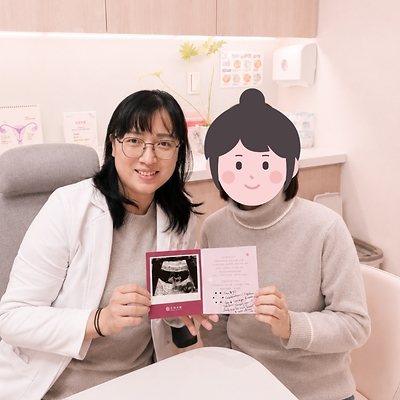
A 38-year-old mother of one from South Korea spent three gruelling IVF cycles trying for a second child, each ending in miscarriage. Six months later she flew to Taiwan, and after a single carefully screened embryo transfer she is now eight months pregnant. Her case is the centrepiece of a push by Taipei-based NUWA Fertility Center to attract Korean patients seeking answers after repeated treatment failures — and it says a lot about how fertility treatment is becoming a reason to travel.
At NUWA, Medical Director Dr Chi-Chun Liao reviewed the patient's full history: her medical records, embryo development logs and pattern of pregnancy losses. In the new cycle, 17 eggs were retrieved and eight grew to blastocyst stage. Six were tested with preimplantation genetic testing for aneuploidy (PGT-A), and only one came back chromosomally normal. That single euploid embryo was transferred — and it worked. The point of the story, Dr Liao argues, is that repeated IVF failure or recurrent miscarriage usually has traceable causes: chromosomal abnormalities in embryos, uterine issues or other underlying health problems. A proper second opinion should weigh a patient's age, history and prior results rather than simply repeating the same protocol.
Taiwan has quietly built a strong reputation in this field. More than 120,000 IVF babies have been born there, and local clinics have particular depth in embryo culture, preimplantation genetic testing and single embryo transfer — the practice of transferring one screened embryo at a time to cut multiples and improve outcomes.
The logistics matter as much as the lab work. NUWA's model for Korean patients starts with a remote consultation: medical records are reviewed and options discussed before anyone books a flight. Patients then travel to Taiwan for examinations, egg retrieval or embryo transfer, with Korean-language staff handling communication, appointment scheduling and follow-up once they are back home. Direct flights between South Korea and Taiwan make the trip straightforward — typically a few hours from Seoul or Busan to Taipei.
To spread the word, NUWA held an information session in Seoul and will host another in Busan on 7 November 2026, covering IVF basics, why cycles fail, donor egg options for older women and how cross-border care works in practice.
Who should care? Couples who have been through failed IVF cycles and want a structured second opinion, and anyone weighing medical travel more broadly. The takeaway is practical: treatment records travel easily by email, genetic testing can dramatically narrow down what went wrong, and a well-organised clinic abroad can reduce the language and scheduling headaches that usually make overseas treatment feel risky. Registration details for the Busan session are available through NUWA Fertility.
For travellers, the story also doubles as a nudge to look at Taiwan itself — a compact, efficient and underrated destination between appointments.