A chunk of farmland in southern Kyrgyzstan is about to change purpose, and it's all down to one of Central Asia's biggest infrastructure projects. The country's Cabinet of Ministers has approved a 4.04-hectare plot in Suzak district, in the Jalal-Abad region, to rehouse families whose homes sit directly in the path of the new China–Kyrgyzstan–Uzbekistan railway.
The land sits in the Bagysh rural area, inside cadastral block No. 572, and is currently state-owned irrigated arable land. Under the resolution, it will be reclassified from agricultural use to settlement land, then handed to local authorities to get build-ready. Suzak district officials must update land records, draw up urban planning documents and make sure the plot is actually used for resettlement.
The plan isn't just about moving houses onto a field. Authorities have been told to factor in engineering infrastructure, proper drainage for rainwater and snowmelt, and seismic safety measures — no small consideration in a mountainous, earthquake-prone country. Environmental and sanitary requirements also have to be met. The resolution takes effect ten days after adoption.
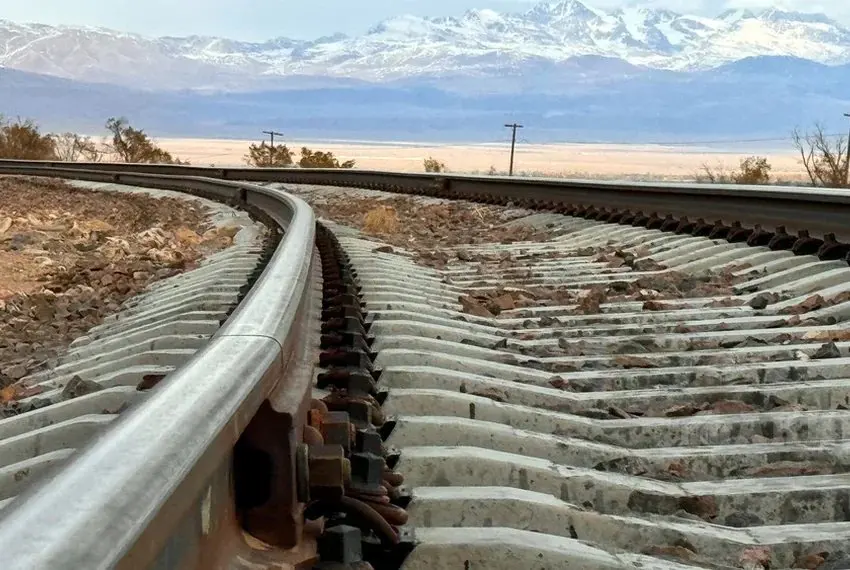
So what is this railway, and why does it matter? The China–Kyrgyzstan–Uzbekistan line has been discussed for decades, and construction finally kicked off recently. Once complete, it will link western China through the mountains of Kyrgyzstan to Uzbekistan and onward to European markets, cutting transit times dramatically compared with existing routes. For Kyrgyzstan, a country with rugged terrain and limited rail coverage, it's the biggest transport project in a generation — and it inevitably slices through villages like those in Suzak.
For travellers, the practical impact is still years away, but it's worth watching. Better rail connections across Central Asia could eventually make overland journeys through Kyrgyzstan far easier — think fewer long shared-taxi rides over mountain passes and more plausible multi-country trips combining China's northwest, Kyrgyzstan's alpine lakes and Uzbekistan's Silk Road cities. In the shorter term, the project is a signal that Jalal-Abad and the wider Fergana Valley region, already popular with hikers and walnut-forest campers around Arslanbob, are on the brink of much better connections.
Anyone heading to the region now should know that construction zones will bring disruption in places — but also that southern Kyrgyzstan remains one of Central Asia's most rewarding corners, with hospitable villages, dramatic scenery and far fewer visitors than Lake Issyk-Kul in the north.
Story via 24.kg.