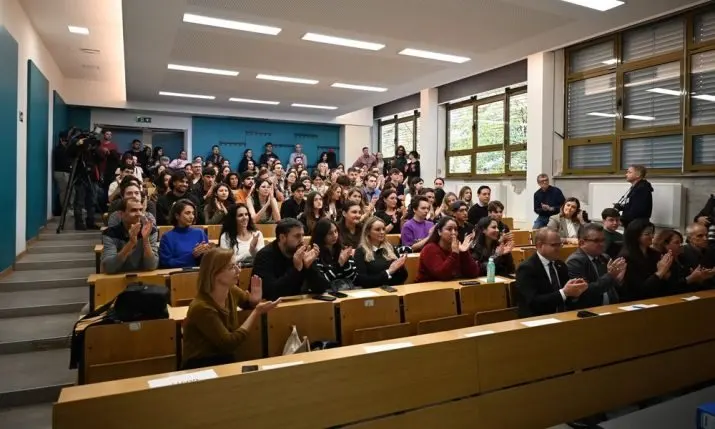
Zagreb has just welcomed its biggest-ever winter cohort of heritage learners: 147 scholarship students have enrolled in Croatian language courses at the University of Zagreb's Faculty of Humanities and Social Sciences, the largest single winter intake the programme has seen.
The students are part of a much bigger push. Croatia's Ministry of Demography and Immigration has approved 700 scholarships for the 2026/27 academic year, spread across six university cities: Zagreb, Split, Rijeka, Osijek, Zadar and Pula. Zagreb takes nearly half of them — 325 places, split between 161 winter and 164 summer semester spots.
Who gets these scholarships? Mostly descendants of Croatian emigrants, often third or fourth generation, plus some spouses of diaspora members. The majority arrive from South America, though the ministry notes growing numbers from Australia and New Zealand. Most participants are in their twenties or early thirties, and many already hold degrees and some work experience — this is not a school trip, but young adults deliberately reconnecting with their roots.
The package is genuinely generous. Scholarships cover tuition, subsidised meals and accommodation, and the ministry plans to add textbooks and extracurricular activities for Zagreb winter-semester students, pending an agreement amendment expected to be signed by the end of October 2026. Beyond the classroom, there's a cultural programme built around traditions and heritage — and, inevitably, a lot of exploring.
State Secretary Mladen Barać framed the goal plainly: it's not just about language, but about encouraging participants to see Croatia as somewhere they could live, work and build a future. One Colombian student, Fabijan, described how studying in the country let him dig into his family's origins while meeting other young people sharing the same story.
Why does this matter to travellers? Even if you don't have Croatian grandparents, it signals something useful: Croatia is actively investing in welcoming people with family ties, and its universities run structured, semester-long language programmes open to the diaspora. If you do have Croatian roots — or a partner who does — this is one of the most affordable ways to spend months in the country, learn the language properly, and base yourself in cities ranging from the capital to coastal Zadar and Pula. It's essentially a funded slow-travel experience with a purpose.
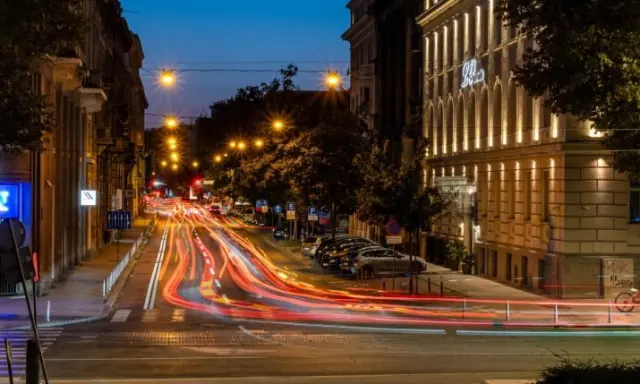
For everyone else, it's a nice reminder that Zagreb in winter is a proper student city: affordable by European standards, lively around the university district, and a good cold-season alternative to the crowded summer coast.