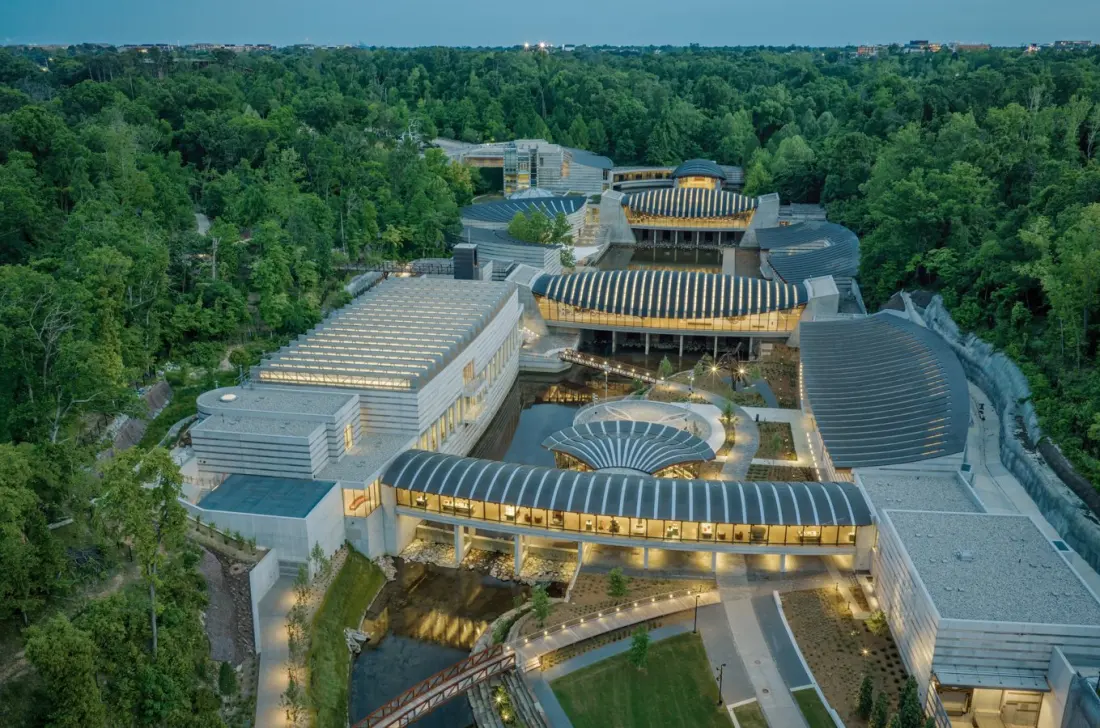
Crystal Bridges Museum of American Art in Bentonville, Arkansas, has long been one of the more unlikely success stories in US culture: a world-class collection bankrolled by Walmart heir Alice Walton in the middle of the Ozarks. A freshly completed expansion and a total rethink of how the permanent galleries are organised now give travellers a solid excuse to put northwest Arkansas on the map.
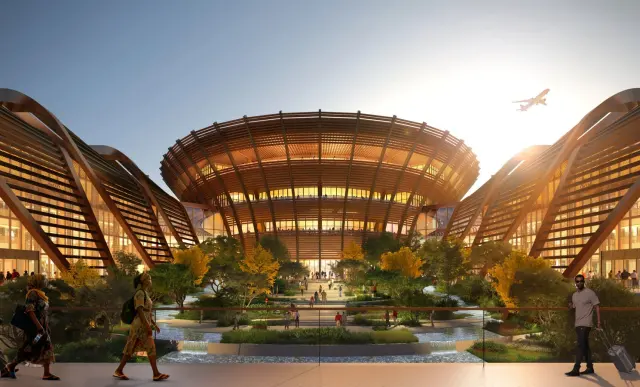
The headline numbers first. The expansion, finished over the summer, added 114,000 square feet - more than 50% extra floor space - designed by Safdie Architects in the same wood-and-concrete style with rounded, copper-clad roofs that echo the surrounding hills. New spaces include big temporary exhibition halls, studios, a café, outdoor areas with a splash pad, and a Contemporary American Art Gallery covering work from 1960 to now, featuring names like Theaster Gates, Kiki Smith, Nam June Paik and Yayoi Kusama, whose 2018 Infinity Mirrored Room wraps you in mirrors and polka-dotted lanterns.
The quieter but bigger change for visitors is curatorial. The museum has ditched its strict chronological walkthrough in favour of a thematic approach across five centuries of American art. The former Early American galleries are now 'Visions of America', grouping portraits, nature scenes and works about national identity regardless of era - so Norman Rockwell's 1943 Rosie the Riveter now sits near Kerry James Marshall's Our Town, letting different versions of the American ideal talk to each other. Indigenous artists such as Raven Halfmoon and Jeri Redcorn get prominent placement alongside the 19th-century landscape tradition, countering the field's old Eurocentric tilt.
If you still want a rough timeline, the new Foundations of American Art gallery runs from the 18th century to the mid-20th, but playfully: Gilbert Stuart's dollar-bill George Washington hangs next to a folksy 1987 Washington by self-taught artist Howard Finster, with O'Keeffe, Winslow Homer and noted potters David Drake and Maria Martinez nearby.
The 134-acre grounds are half the appeal. Forested trails wind past streams, an arboretum's worth of trees and outdoor sculpture, plus a Frank Lloyd Wright house moved to the site in 2015. Admission to the permanent collection is free - only ticketed temporary shows cost extra - which makes this arguably the best-value major museum day in America.