Cancún and the Riviera Maya get the crowds, but Mexico's Quintana Roo is directing attention — and cash — further inland. The state has just announced 40 funded community projects through a joint programme run by its Institute of Culture and the Arts and Mexico's federal Ministry of Culture, all aimed at keeping Maya traditions alive.
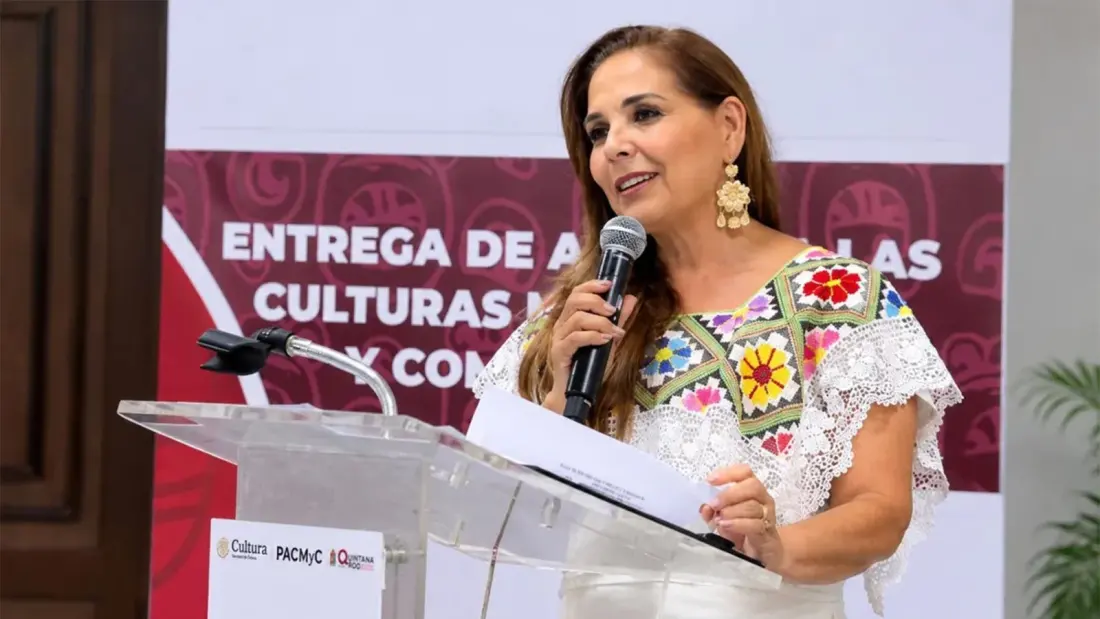
The 2026 grants reach 22 communities across seven municipalities and cover an unusually broad spread of practices: pottery, embroidery, weaving, traditional cooking, traditional music and Maya medicine. Women lead 22 of the projects and men lead 18, and Governor Mara Lezama Espinosa handed over the grants at the state government palace in Chetumal. Project-by-project details are still to come.
This is the fourth consecutive round of the municipal and community culture programme under the current administration. According to the institute's director, Lilian Villanueva, the state has now funded 128 projects in total. Earlier rounds backed traditional midwifery, woodcarving, dance, food traditions and the Maya language itself — a reminder that what's being preserved isn't just craft-shop product, but everyday knowledge: how dishes are prepared and when they're served, how communities care for new mothers, how techniques move from one generation of hands to the next.
For travellers, the interesting part is what this signals about the state beyond the resort corridor. Bacalar, with its famous Lagoon of Seven Colors, and Chetumal, the state capital near the Belize border, offer a slower, more local Quintana Roo than the hotel zone. And as these funded projects mature, they're exactly the kind of community-led work that surfaces in local markets, workshops and kitchens — embroidered pieces that carry the techniques of the town where they were made, regional dishes that reflect knowledge rather than just a menu listing.
If your mental map of Quintana Roo stops at Tulum, this is a nudge southward. The traditions being funded here are living ones, led by the people who practise them, and they're rooted in communities most visitors never reach. Whether you seek them out through a weaving workshop, a regional meal or simply by spending time in Bacalar and Chetumal rather than day-tripping past them, the state is making a case that its culture is worth more than a souvenir.
Full story via Caribbean Journal.