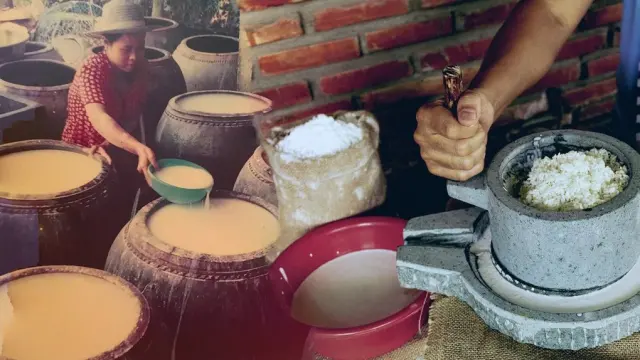
Da Nang has approved an ambitious programme to turn Ngoc Linh ginseng — one of the world's most prized medicinal roots, grown on the slopes of the Ngoc Linh mountain area — into a flagship local industry. The city's new resolution targets an annual harvest of at least 60 tons of ginseng roots from roughly 300 hectares by 2030, while making forest protection and the livelihoods of ethnic minority communities central to the whole plan.
The numbers behind it are substantial. Da Nang has set aside a conservation and development zone of about 100,000 hectares for ginseng and medicinal plants, of which around 1,000 hectares are already planted with Ngoc Linh ginseng and 3,000 hectares with other medicinal herbs. By 2030, cultivation is meant to spread across communes such as Tra Linh, Tra Tap, Tra Leng, Nam Tra My and Tra Van, reaching 8,400 hectares in total.
What's notable is the emphasis on value rather than volume. At least 30% of product value should come from deeply processed goods by 2030, rising to 80% or more by 2045, when the city hopes to maintain 10,000 hectares of ginseng with a large share certified to international GACP-WHO standards. To support that, two original germplasm facilities — the Tra Linh Medicinal Herb Station and the Tak-Ngo Ginseng Farm — will be upgraded to produce at least 600,000 certified seedlings a year. A dedicated medicinal herb industrial hub is planned, with the Chu Lai Open Economic Zone given priority, and every cultivation area will carry full origin traceability.
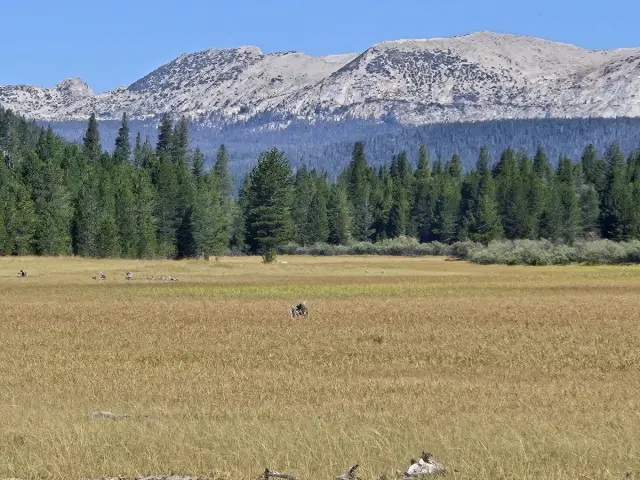
For travellers, this is quietly good news for Vietnam's central highlands. The Nam Tra My district, where Ngoc Linh ginseng originates, is one of the country's least-visited corners — a cool, misty mountain region home to the Xo Dang people, who have used the root for generations. As investment flows into seed farms, processing facilities and roads, the area is likely to see better access and a growing wellness and agrotourism scene: think ginseng tea tastings, farm visits and homestays with local families, all a few hours' drive inland from Da Nang's beaches. The resolution explicitly ties the crop to biodiversity conservation and sustainable forest use, which should keep development relatively low-impact.
Why it matters: if you're drawn to Vietnam beyond Hoi An and Ha Long Bay, this is a signal that the country is building genuine infrastructure around a unique highland product. Combine a stay in Da Nang with a trip into Quang Nam's mountain communes and you'll be seeing the story unfold firsthand — well before the 60-ton harvests become routine.