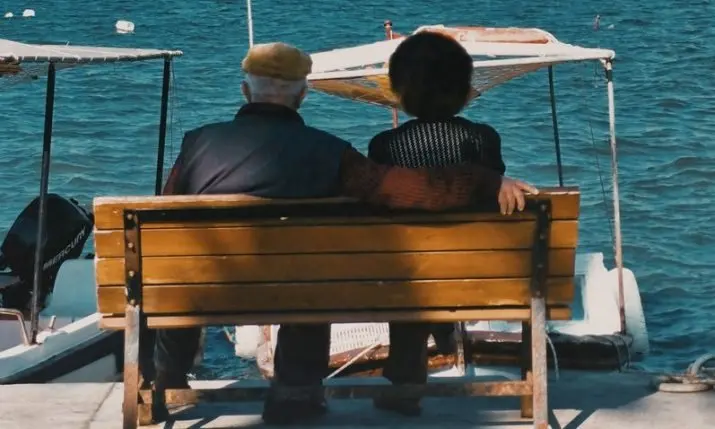
Croatia's government is pushing through a tax overhaul that would see more than half a million retirees stop paying income tax on their pensions from 1 January 2027. Around 541,000 pensioners currently pay tax, generally those bringing in more than €600 a month. They get a 50% allowance today; the new rules would lift that to 100%, wiping out the tax altogether.
The change sits inside a broader package of tax amendments now before the Croatian Parliament. Officials frame it as a response to inflation and the squeeze on living costs, and they estimate the move will cost the state budget roughly €180 million in lost revenue.
For travellers, the more directly relevant part of the package is what happens to private tourist accommodation — the apartments, rooms and villas that dominate Croatia's coast. Owners of flat-rate businesses and private rentals face higher minimum annual flat-rate taxes. In areas with the top tourism development classification, the minimum jumps from €100 to €150 per bed each year, while the second-highest category rises from €70 to €100 per bed. That's a 50% hike in the top tier and a hefty one in the tier below.
What does that mean on the ground? Most owners will absorb modest increases, but in peak resorts — where bed counts run high and margins are watched closely — some of the cost could edge into nightly rates, especially for short stays in July and August. The changes also touch flat-rate businesses generally and the tax treatment of certain self-employed people, so the package is broader than pensions alone.
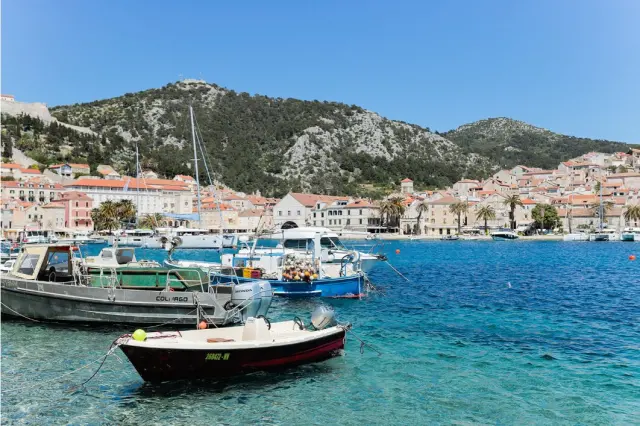
Croatia remains one of Europe's most popular summer destinations, and private accommodation is the backbone of its tourism model: think family-run apartments along the Dalmatian coast, rooms in Plitvice and Rijeka, villas on Hvar and Brač. Anything that shifts the economics of that sector is worth watching if you book independently rather than through hotels.
The pension exemption is scheduled to take effect at the start of 2027, provided parliament adopts the legislation — so nothing is final yet. The accommodation tax rises would apply from the same legislative package, though the exact implementation dates for each element depend on the final bill.
Why it matters: if you holiday in Croatia regularly, keep an eye on rental prices as these rules bed in. And if you're a retiree considering a longer stay in Croatia — a growing trend among Europeans who winter or semi-retire on the Adriatic — the tax climate is becoming friendlier, with pension income set to be exempt from local income tax from 2027.
Story reported by Croatia Week.