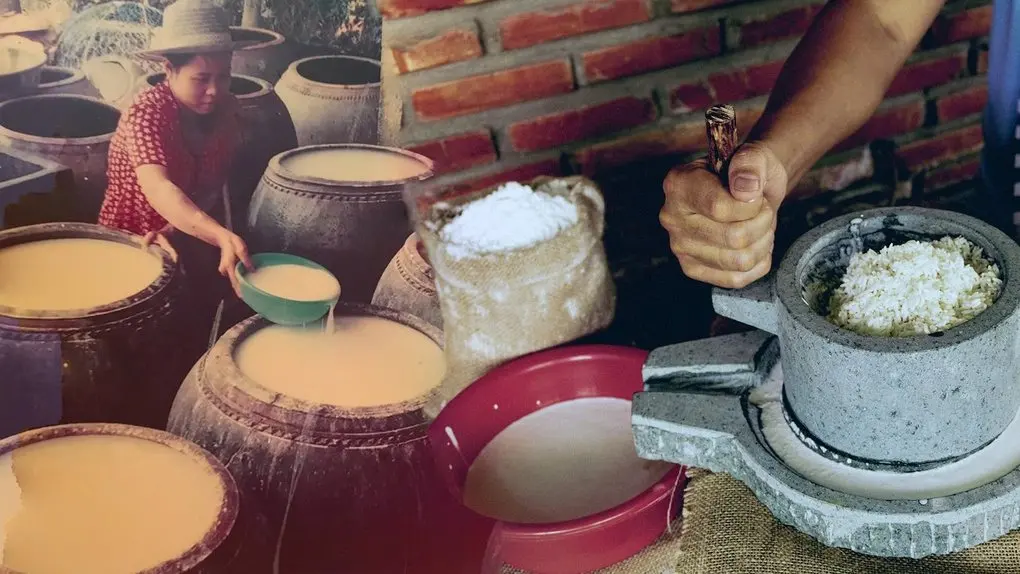
Down in Vietnam's Mekong Delta, the Dong Thap town of Sa Dec has been turning rice into flour for more than a century. Artisans there work with water from the Nga Bat River, which gives the flour its trademark bright whiteness and springy chew — qualities prized in noodles across southern Vietnam. The craft has even been recognised as National Intangible Cultural Heritage, and it's the backdrop to a genuine food-industry story worth knowing before you visit.
That story belongs to Pham The Hai, an electrical engineer who walked away from a Ho Chi Minh City career in 2019 and bet his savings on the old flour village. His first product wasn't food at all: biodegradable drinking straws made from rice flour. Early attempts were brutal — at one point 10 kilograms of flour yielded barely half a kilogram of usable straws — but by July 2019 the process worked, and the straws eventually shipped to Europe, Australia and New Zealand.
When the pandemic wobbled demand for green alternatives, Hai pivoted to something more durable: deeply processed rice foods with proper quality control, a gap in a village still dominated by household workshops selling wet flour or shrimp crackers. His company, Green Starch (Tinh Bot Xanh), launched five-colour macaroni tinted with magenta leaves, butterfly pea flowers, gardenia seeds and gac fruit — no synthetic dyes. That grew into hollow tubular banh canh noodles that trap broth inside each strand, plus rice vermicelli and pho noodles, sold under the Tinh Bot Xanh and FUMA brands.
Today the operation runs a 6,000-square-metre plant churning out 800 to 1,000 tons a year, with around three tons of product moving through Vietnamese distributors daily and export orders filled on request. Over 30 local workers count on steady jobs that didn't exist seven years ago.
Why should a traveller care? Because Sa Dec is a rewarding Delta stop — a low-key river town famous for its flower gardens and its antique-house connection to Marguerite Duras — and its rice flour tradition underpins much of the noodles you'll eat across southern Vietnam. Knowing that the strand of banh canh on your plate carries a recognised heritage craft, and is now being reinvented for export shelves, adds real flavour to a meal here. Food-focused visitors can explore the craft village areas, including the historic Tan Phu Dong hamlet where the flour-making tradition first took root.
Hai, who cheerfully calls himself "Village Chief Hai Bot," still personally inspects every bag of macaroni and pho before it ships. His ambition is simple and stubborn: lift the value of the Vietnamese rice grain and carry Sa Dec's century-old craft onto family dining tables worldwide. Next time you're in the Delta, it might land on yours first.