Kyrgyzstan is quietly becoming one of Central Asia's busiest destinations. Aslan Musabekov, who heads strategic planning at the country's Ministry of Economy and Commerce, told Birinchi Radio that arrivals rose from 2.86 million in 2023 to 5.31 million in 2025 — nearly doubling in two years, with growth reported every year in between.
There's a caveat worth knowing if you're reading those figures: the ministry itself says border crossings shouldn't be counted purely as tourism. Plenty of people crossing into Kyrgyzstan are visiting family, doing business or travelling for work. Still, even discounting those, the trajectory is clear — more foreign visitors every year.
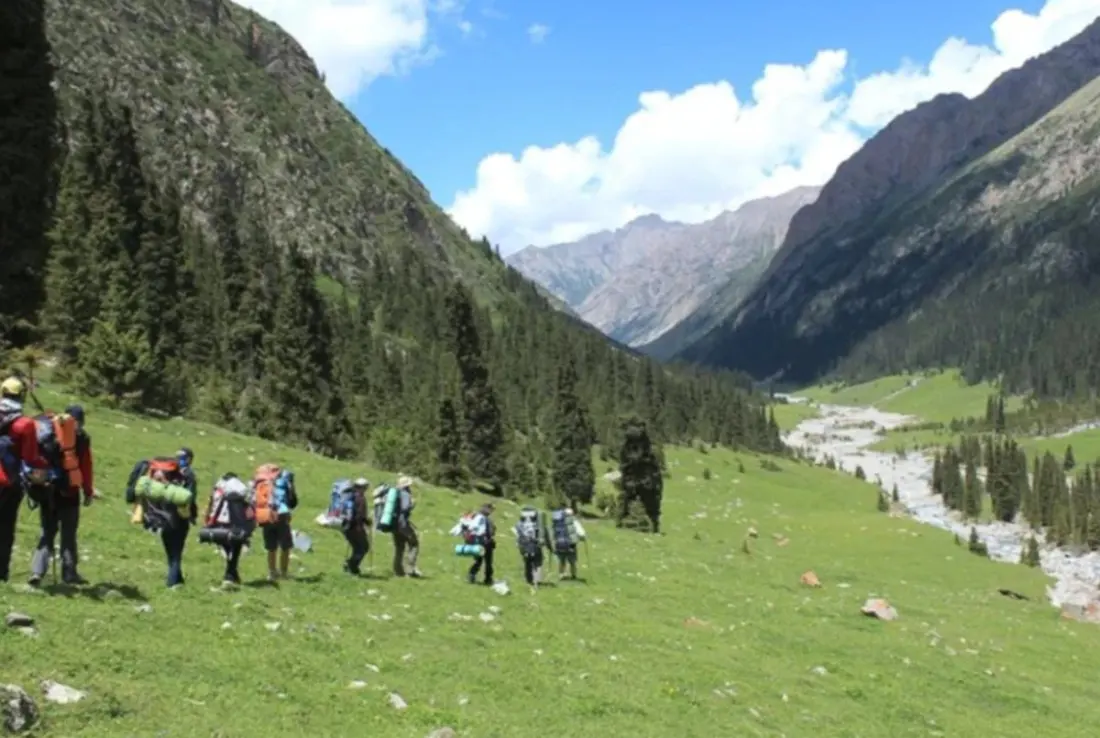
The bigger story for travellers is what the government plans to do next. The Ministry of Economy is working on ways to stretch the season beyond the summer peak, aiming to turn Kyrgyzstan into a genuine year-round destination. At the moment, most visitors come between June and September, when the high mountain trails are snow-free.
What's on offer is already broader than many people expect. Beyond the headline alpine draws — trekking around alpine lakes like Song-Kul and multi-day horseback routes through the Tian Shan — the ministry lists ethnographic tourism, eco-tourism and riding-based travel as active growth areas. Ethnographic tourism in particular is a Kyrgyz speciality: nomadic heritage, yurt stays, eagle hunting and horse games are a big part of the country's appeal, especially around Lake Issyk-Kul and in the Naryn region.
Why does this matter if you're planning a trip? Two reasons. First, the surge in visitors means infrastructure — guesthouses, guides, transport around the mountains — is improving fast, which makes travel easier than it was even a few years ago. Second, it's still early days. Compared with more established hiking destinations, Kyrgyzstan remains affordable and uncrowded, particularly outside the brief July-August crush. If the ministry succeeds in extending the season, the sweet spots of late spring and early autumn — good weather, empty trails, lower prices — should get easier to access.
For now, the practical takeaway is simple: Kyrgyzstan offers world-class mountain scenery and nomadic culture at a fraction of Alpine prices, and it's actively courting more visitors. Going before everyone else does is a shrinking window.