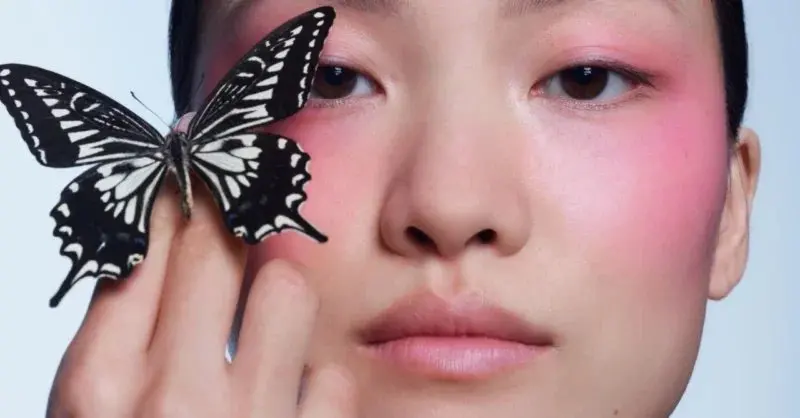
The overtly augmented look — frozen foreheads, oversized lips, sculpted hourglass cheeks — is on its way out. Across top clinics, practitioners describe a decisive turn toward what Beverly Hills physician associate Molly Bailey calls the 'quiet era' of aesthetics: subtle, undetectable work designed to make you look like yourself, only slightly better rested.
The engine behind the shift is regenerative aesthetics, a category of treatments that stimulate the skin's own repair processes rather than adding volume from a syringe. High-volume filler is being dissolved and swapped for bio-stimulators, which Bailey describes as the minimalist's injectable. These encourage the body to produce its own collagen — the protein that keeps skin firm and supported — with results building gradually over months rather than appearing overnight. The payoff is skin quality that improves slowly, keeping faces recognisable while quietly refining them.
Wrinkle relaxers are getting the same restraint treatment. London cosmetic dermatologist Dr Sam Bunting notes her patients now accept asymmetry, lines and natural movement, and she responds with carefully calibrated micro-doses placed hyper-specifically, deliberately leaving some expression intact. The approach is little-and-often: consistent results that nobody can quite put a finger on. Notably, discretion no longer means secrecy — stigma around cosmetic tweaks is fading, and people simply no longer feel defined by them.
The philosophy extends well beyond injectables. Nail artists are perfecting meticulous 'naked manicures' — Chanel collaborator Betina Goldstein's recent work being a prime example — while 'hyperrealism brows' use advanced machine techniques to draw individual hair strokes of varying direction, length and density, mimicking the natural irregularity of real hair. Hollie Parkes, resident brow artist at Claridge's in London, says clients want to look like themselves, just more refined: less about achieving a prescribed look, more about preserving what makes a face unique.
Here's the irony: looking effortless costs more. Parkes is candid that achieving a natural result takes more planning, technical skill and attention to detail than a dramatic transformation ever did. What you're really paying for is judgement — knowing exactly how much is enough. She calls that the true luxury: the details you don't immediately notice.
And is 'natural-looking' just another impossible standard in disguise? Bailey doesn't think so. There will always be unattainable ideals, she argues, and chasing any of them is unhealthy. The progressive part of this trend is the move from a prescribed aesthetic toward individuality — to the point where a good practitioner will simply decline treatment that isn't right for a patient. Right patient, right treatment, right time.
Why does this matter to travellers? The clinics leading this movement sit in the destinations wellness-minded travellers already visit — Beverly Hills, St Louis and Harley Street and Claridge's in London — and the trend signals what to ask for anywhere: gradual, regenerative options and conservative dosing over dramatic overhauls. Anyone booking aesthetic work before a wedding, milestone trip or holiday would do well to take the same low-and-slow approach the experts are championing. Results built over months photograph better and age better than anything done the week before departure.