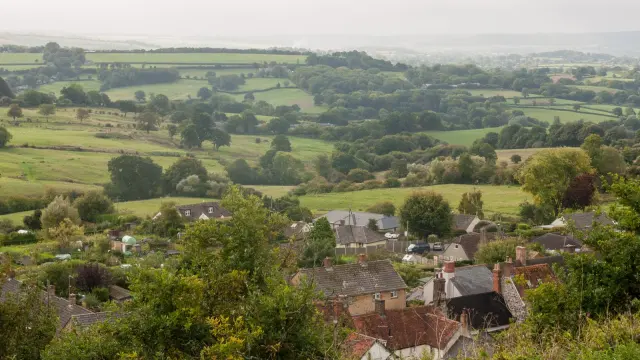
Somewhere past mile 164 of Vermont's Long Trail, a group of thru-hikers hit the wall that every long-distance walker eventually meets: not injury, not weather, just the doldrums. Writing from the White Horse Inn near Appalachian Gap on day 26, the hiking trio — Rock Rabbit, The Historian and their blogging companion — describe the strange becalmed feeling that sets in once the excitement of the first 100 miles has faded and the finish line is still too far away to feel real.
The funk has two parts. The first is physical. Bodies adapt quickly to trail life — sleep at dark, up at dawn, packing the bag on autopilot — but the miles still accumulate slowly. Muscles collect micro-tears faster than rest days can repair them, so even a double zero doesn't fully recharge anyone. The second part is psychological. With family back home no longer checking in daily and no state lines or landmarks to celebrate, hikers start drifting: unsure whether they're living in the moment or simply unmoored. Long-trail veterans even have names for the phenomenon on other routes — the Virginia Blues on the Appalachian Trail, the NoCal Blues on the Pacific Crest.
Nutrition plays a role too. The writers are unusual in dehydrating their own food and mailing resupply boxes, and they note that most hikers running on shelf-stable, ultra-processed calories can end up undernourished despite eating enough — and low energy makes the trail harder in every sense.
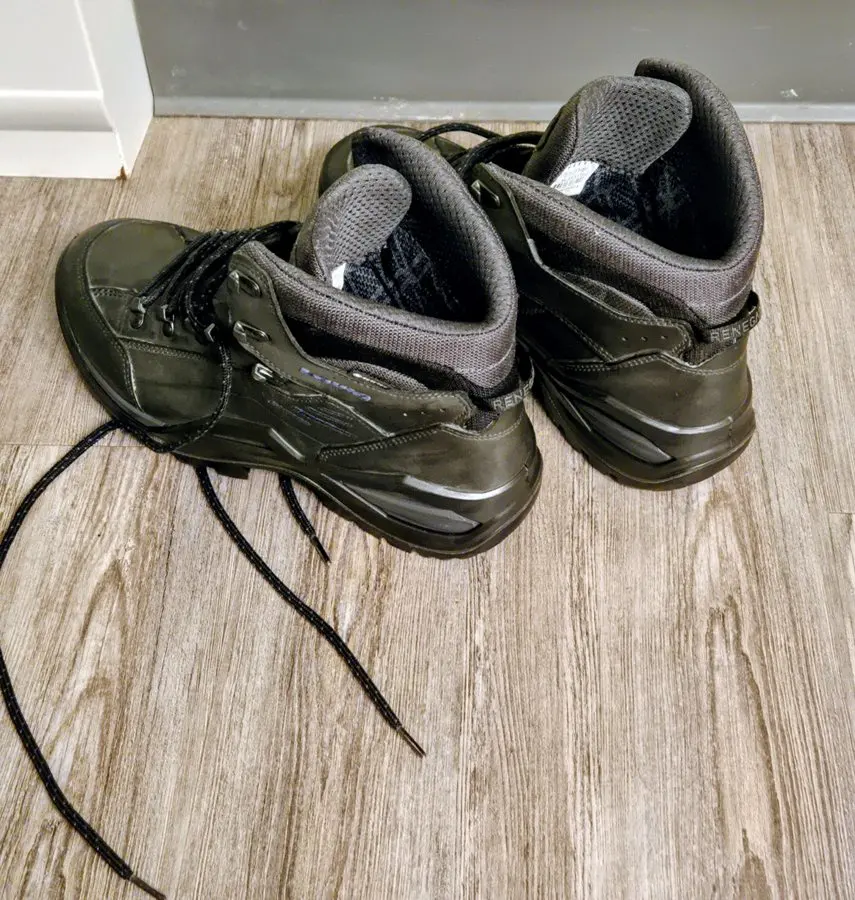
Their cure was an unplanned extra zero day at the inn: laundry done, boots re-waterproofed, trekking poles re-tipped, new shoes ordered, stove fuel restocked. It didn't feel restful so much as restless — one hiker got insomnia, another kept doing laundry — but by evening the anxiety about the next stage, the alpine section of the Long Trail, had replaced the calm. The comparison they reach for is a racing yacht crew becalmed in mid-ocean after the Cape to Rio race: no wind, nothing to do but wait, and then the hard row ahead.
For anyone contemplating a Long Trail thru-hike, this is a genuinely useful read. It normalises the mid-hike slump — the point around day 20 to 30 where habit replaces joy — and suggests practical fixes: schedule a real rest day, sort your gear and resupply, and expect the emotional dip rather than being surprised by it. It's also a reminder that the Long Trail's 273 miles, America's oldest long-distance trail, pack genuine alpine difficulty into a state you can cross in under a month.