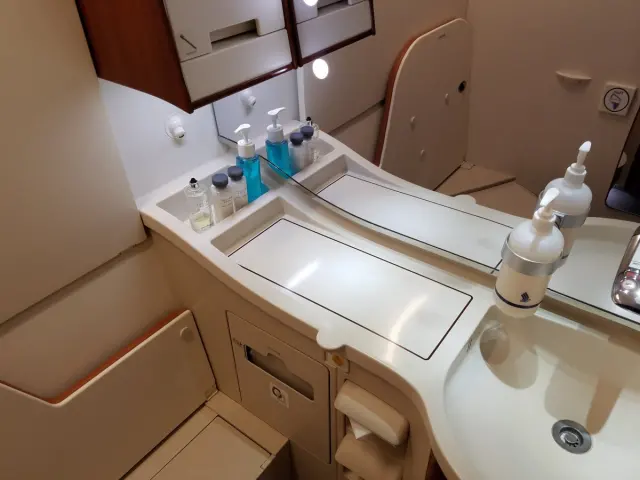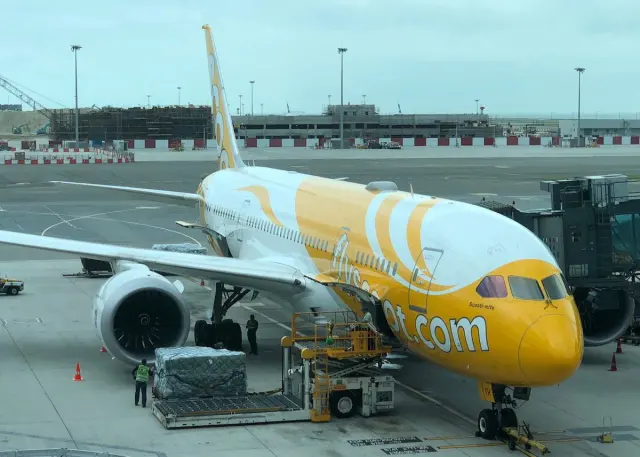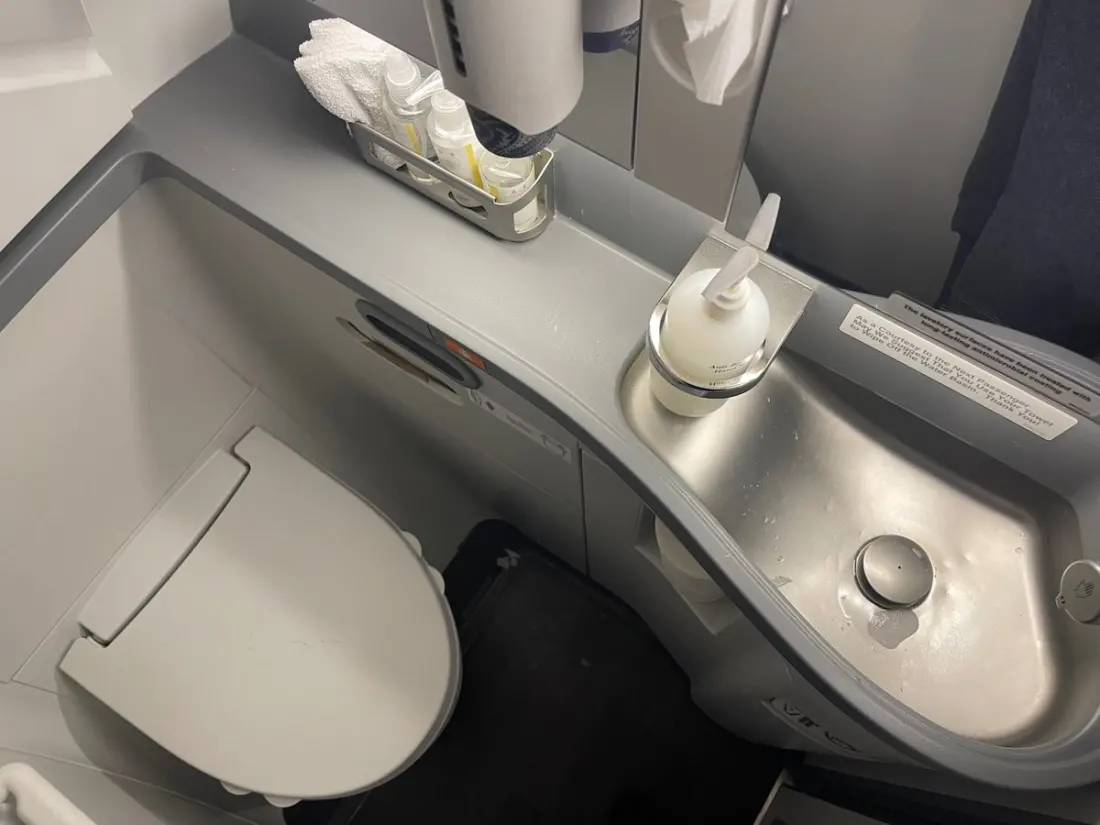
A routine flight from Osaka to Singapore turned into a criminal case after a cabin crew member found a hidden camera planted inside the aircraft lavatory. The accused is Hugh Lutley, a 52-year-old British national, who was charged on 5 November 2026 with voyeurism and obstruction of justice over the incident aboard Scoot flight TR821 on 7 October.
According to the Singapore Police Force, Lutley concealed a camera in the toilet before take-off, then activated its recording function remotely using an app on his phone. A flight attendant later used the lavatory, spotted the device, removed it and told a colleague straight away. When Lutley returned to collect it and found it gone, police allege he deleted the app and related photos from his phone to cover his tracks. He was detained when the plane landed at Changi Airport, and both his phone and the camera were seized.
The legal exposure is serious. Voyeurism carries a maximum of two years in prison, plus possible fines and other punishments under Singapore law. But the cover-up charge is the heavier one: obstructing justice can bring up to seven years behind bars, a fine, or both — meaning the alleged attempt to destroy evidence carries a far higher maximum sentence than the alleged recording itself. Lutley was offered bail of S$10,000, has indicated he may plead guilty, and faces a pretrial conference on 17 November. He has not been convicted, and it remains unclear whether anyone was actually recorded before the camera was found.
For anyone who flies, the case is a grim reminder that a locked lavatory door should be all the privacy you need — but it doesn't hurt to glance around an unfamiliar cabin bathroom before using it. If you spot an odd device, loose panel or anything that looks out of place in an aircraft toilet, tell the crew immediately. In this instance it was a crew member's alertness that ended it, and she deserves credit for acting fast rather than shrugging it off.
Aircraft lavatories are cramped, shared and unavoidable on a long flight like Osaka–Singapore, which is roughly seven hours in the air. That's precisely why the idea of a camera in one feels so unsettling: passengers and crew have no alternative, and the expectation of privacy behind that door should be absolute. This case will now play out in a Singapore courtroom, where the outcome could set a pointed example — the alleged cover-up, not the camera, is what carries the longest potential sentence.
The takeaway for travellers is simple and slightly depressing: stay observant, trust your instincts about anything that looks installed rather than incidental, and report it. Cabin crews are trained for exactly this and will take it seriously.