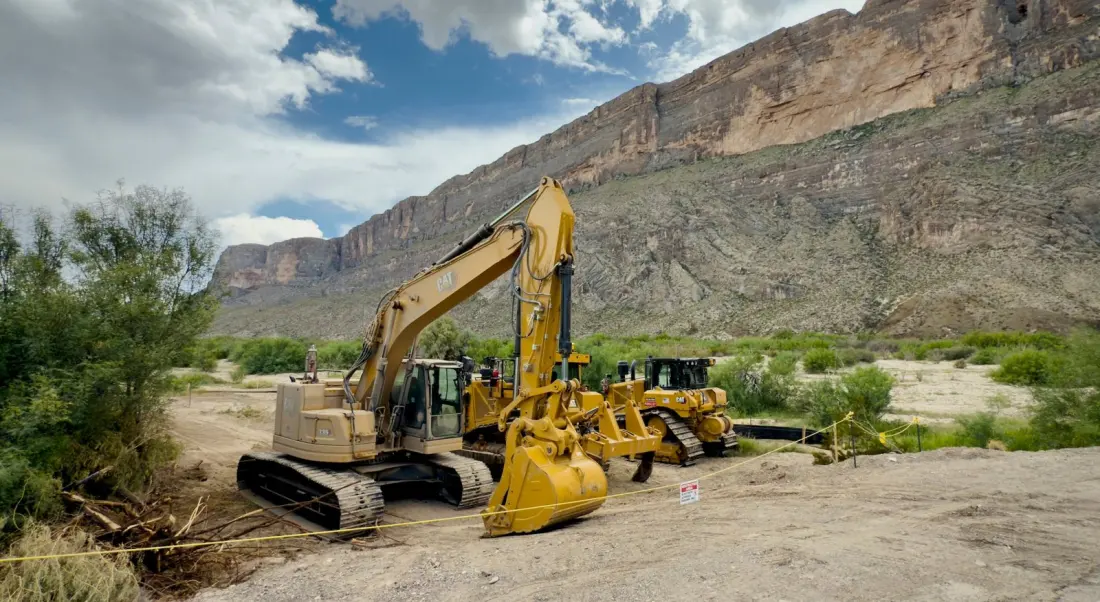
The scramble over border construction in Big Bend has landed at the U.S. Supreme Court. The Trump administration is asking the justices to lift an order from U.S. District Judge Kathleen Cardone, who halted the work on October 2 after finding Border Patrol had skipped environmental reviews. On October 29, plaintiffs — including the Center for Biological Diversity, Friends of the Ruidosa Church and a local river guide — filed 50 pages arguing the construction could scar the Chihuahuan Desert for good.
What's actually planned? Inside Big Bend National Park, Customs and Border Protection wants access roads, surveillance tech and roughly 17 miles of vehicle barriers. Across the wider Big Bend Border Patrol sector, the government intends to build 30-foot walls. The administration argues a "300-plus-mile gap in border defenses" would invite the Sinaloa and Juarez cartels to exploit the terrain.
Opponents see it differently, and the numbers back them up. Border Patrol logged about 89,000 apprehensions in the 517-mile sector over five years — the lowest rate per mile of any sector on the southern border. Even CBP conceded in May that 1,500-foot canyon cliffs, the Chisos Mountains and waterless desert make the area naturally hostile to crossing on foot.
The stakes for travellers are real. Rafting guide Billy Miller, who runs trips on the Rio Grande, told the court the work would gut the tourism that Terlingua, Presidio and Marfa depend on. Ecologist Jeffrey Renfrow testified that damage to soils and hydrology could persist for decades or centuries — heavy machinery crushes biological soil crusts, the living mats that hold the desert floor together, and some organisms in them take around a century to regrow. Rancher Bill Guerra-Addington described rising wildlife deaths along access roads already in use.
If the Supreme Court sides with the administration, construction resumes while the lawsuit plays out. If Cardone's order stands, the government has to follow environmental law first. Either way, anyone dreaming of paddling Santa Elena Canyon or hiking the Chisos should watch this one — the character of one of America's most remote national parks hangs on the outcome.