There's a quiet case for travelling in winter that most people never hear, because the industry is busy selling them summer. The team at Outside Travel make it in a recent feature, appropriately titled Further in Winter: the coldest months are when the crowds thin, the prices drop and the places that feel impossible in July suddenly open up.
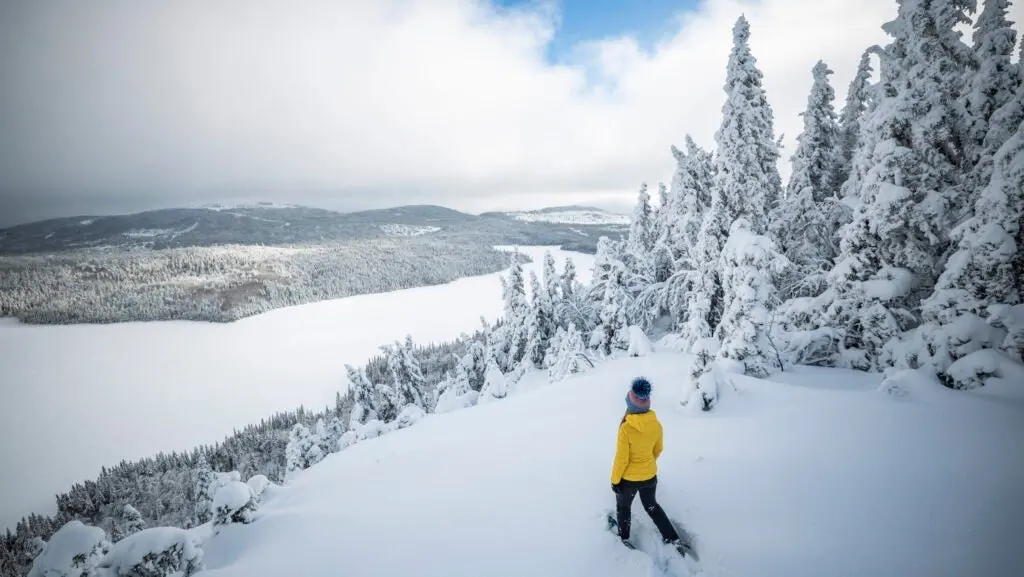
The core idea is simple. Popular destinations — national parks, alpine towns, coastal trails — are engineered around peak season. Visit in winter and the calculus flips. Yosemite's valley, jammed with cars for half the year, becomes a hushed snowscape you can roam largely alone. Desert parks like Joshua Tree and Death Valley, punishing in summer heat, hit their sweet spot between November and March. The article's argument is that winter doesn't shrink your options; used well, it expands them.
It's not just about dodging people. Cold-season travel rewards a different set of activities: backcountry skiing and snowshoeing in the mountains, aurora chasing at high latitudes, wildlife watching when animals are easier to spot against snow. And because demand is lower, accommodation and flights to many northern destinations cost noticeably less than in high summer — sometimes the difference funds an extra week.
There's a caveat, and it's a serious one. Winter travel demands more preparation than the same trip in June. Daylight hours are short at higher latitudes, weather can close roads and trails with little warning, and hypothermia risk turns an ordinary navigation error into an emergency. The experienced-winter-traveller playbook: check conditions daily, carry proper layers and insulation even for day trips, tell someone your route, and build slack into itineraries so a storm doesn't wreck the whole plan.
Who is this for? Anyone who has written off January to March as staycation season. If your ideal trip involves solitude, dramatic scenery and a bit of physical effort, winter is arguably the superior version of the destinations you already wanted to see. If you need beach weather and long evenings, fair enough — book summer. But the middle ground between those two positions is where some of the year's best travel sits.
The broader takeaway for travellers: seasonality is a lever, not a limit. Swapping a July trip for a February one to the same place can feel like visiting two different countries. Some swap the other direction too — southern-hemisphere summers make Patagonia or New Zealand genuinely good in the northern winter.
The practical entry point is low-stakes. Pick a park or mountain region within driving distance, check what it looks like off-season, and try a single winter weekend with proper gear before committing to anything ambitious. Start with somewhere with facilities open year-round rather than a remote backcountry route. If the quiet, the snow and the empty trails hook you — and for a lot of people they do — you'll have unlocked a whole second travel calendar that most holidaymakers ignore.
Story via Outside Travel.