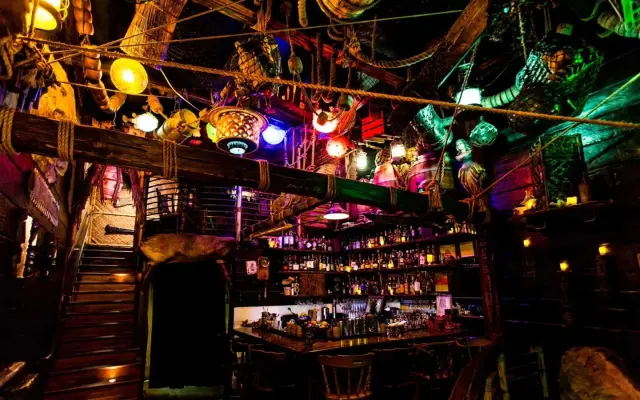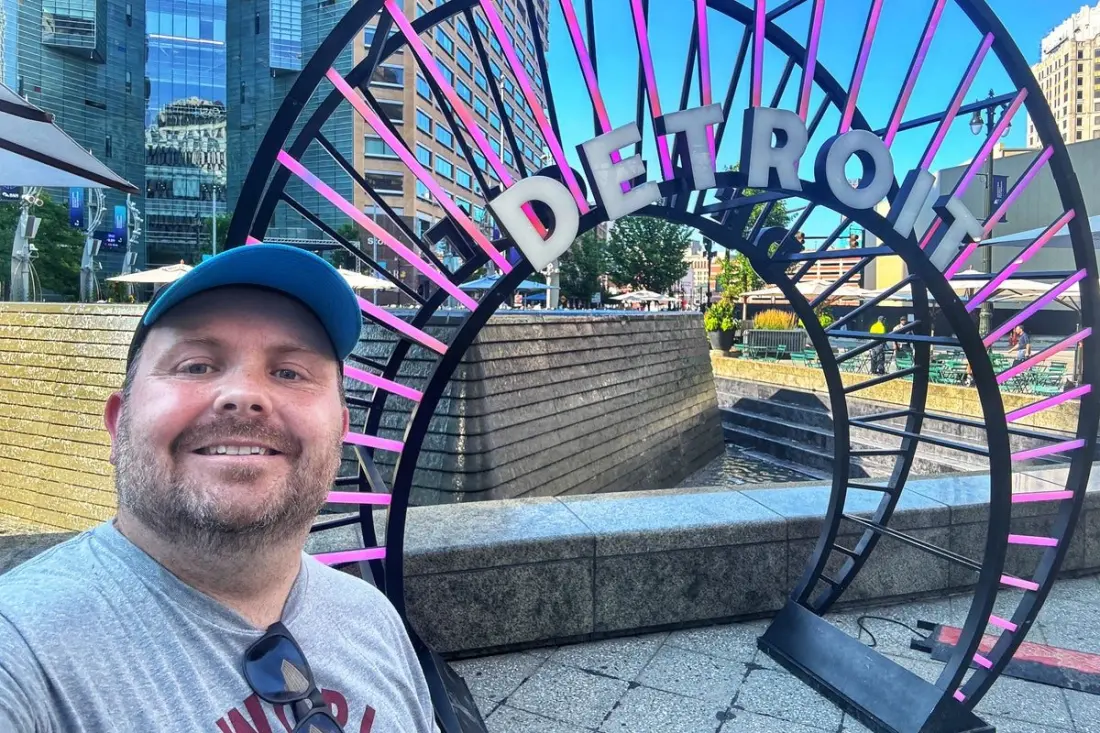
Behind an anonymous metal door off Griswold Street, marked only by a painted snake, sits Bad Luck — a dim, low-lit bar where the bartender might spritz perfume on your wrist to unlock the flavours of your cocktail. It's a fun bit of theatre, but in Detroit it's also history. The city hides more secret drinking dens than most, and there's a very good reason for that: a century ago, this was the bootlegging capital of America.
Detroit earned the nickname 'Whiskeytown' when Michigan went dry in 1918, nearly two years before national Prohibition. While Canada kept producing alcohol just across the river, local smugglers had a head start. Historians estimate roughly three-quarters of all liquor smuggled into the US crossed the Detroit River, much of it flowing on to Chicago and New York. The city kept a healthy share for itself: an estimated 15,000 illicit bars — known locally as Blind Pigs — sprang up behind barber shops, warehouses and unmarked doors. That legacy lives on at Café D'Mongo's, whose owner's family ran Blind Pigs during Prohibition.
The car connection is the twist. Bootleggers needed a vehicle light enough to cross the frozen river in winter and tough enough for rough roads — and Detroit happened to build one. Model Ts, you could say, were smugglers' best friends. At The Henry Ford complex in Dearborn, visitors can still ride in 13 of the 1920s cars around Greenfield Village, and the archives hold a fan letter to Henry Ford from Clyde Barrow of Bonnie and Clyde fame, praising the 'fine car' — despite Ford himself being famously teetotal.
Today's speakeasy trail doubles as a tour of the city's revival. In Corktown, the oldest neighbourhood, Sugar House occupies a building named for the hidden storage levels where bootleggers once stashed liquor. The Shelby hides a bar inside an old bank vault, entered through a mock café. The IO Godfrey pours a Second Bridge Sour, a wink at Detroit's long-delayed second crossing to Canada, and the Last Word — the city's enduring gift to cocktail culture, first served at the Detroit Athletic Club in 1916 — turns up at spots like The Shelby. Nearby, Michigan Central Station, abandoned since 1988 and bought by Ford in 2018, has been restored into a concourse of cafes and workspaces, graffiti from the derelict years deliberately left on some walls.
Practically speaking: Delta flies daily from London Heathrow to Detroit in around eight and a half hours, with easy domestic connections onward. The free People Mover and Q Line streetcar link Downtown with the riverfront, and The Henry Ford is best reached by car or rideshare. Bring some cash — a few speakeasies still don't take cards.
For travellers who like their nightlife with a story, Detroit delivers a rare combination: hidden-door bars, Prohibition lore, street art-lined alleys and a riverfront walk where you can gaze across at the country that once supplied the whole party.