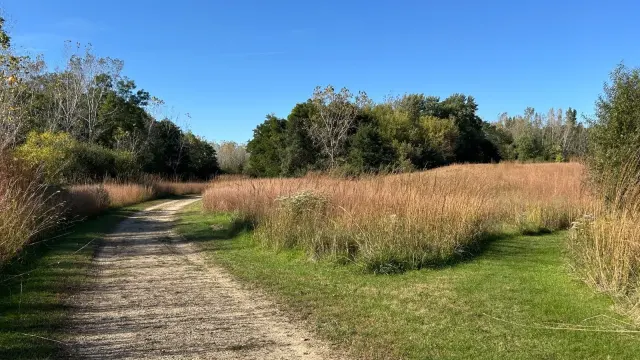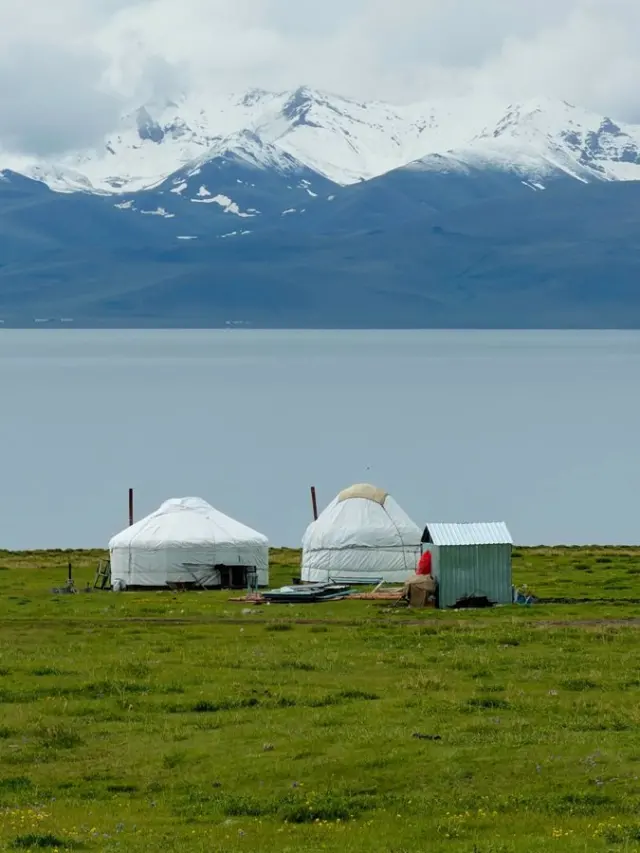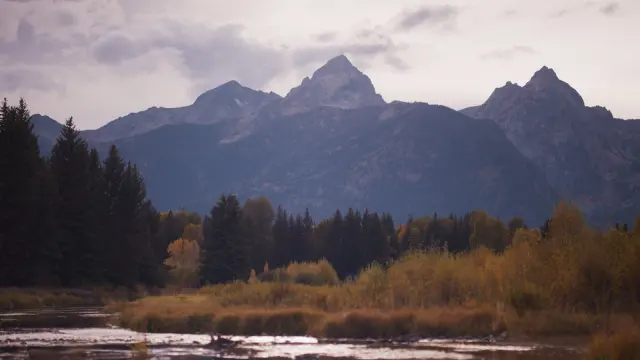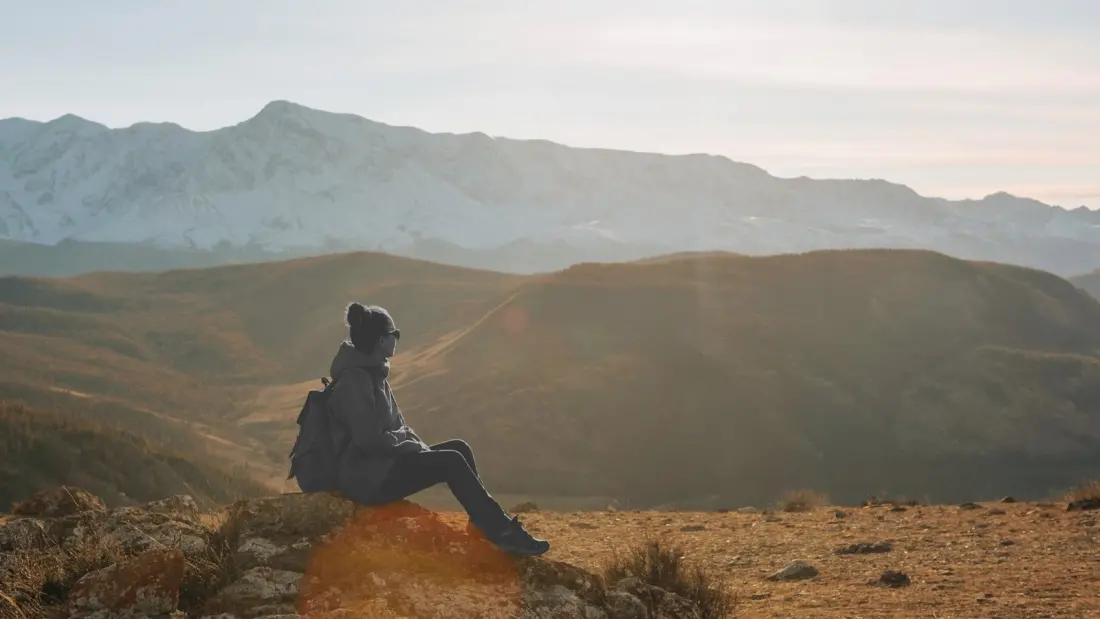
A writer for Outside Online pulled a hamstring on a casual hike and realised something uncomfortable: even her time in the mountains had become a spreadsheet. Every outing was logged as training, every rest day felt like failure, and her calendar was so colour-coded a friend mistook it for Candy Crush. The wake-up call came from her hiking companion, who sat down beside her on the trail and admitted he spent too much time doing in nature and not enough time being in it.
The piece digs into toxic productivity as it applies to the outdoors: turning hobbies into side hustles, assigning heart-rate zones to a Sunday stroll, mentally recalculating mileage before you've even left the trailhead. The author describes how she had turned the outdoors from an escape into yet another arena for excellence, pushing through pain while chasing an imagined future version of herself.
There's research behind the gut feeling, too. A 2018 study from the University of Toronto and Rutgers found that people who chase happiness tend to do so from a scarcity mindset — a fear that time is running out — and that the pursuit itself makes them unhappier. Monitoring your success means monitoring your failures at the same time, so goal-obsessed hikers and climbers often end up more dissatisfied than people who just enjoy the thing. Participants who treated happiness as gratitude rather than a prize were the ones who actually felt it.
The fix the author lands on is borrowed from her friend Madeleine Dore, author of I Didn't Do the Thing Today: think of creativity like a sponge. There are squeeze phases, when you produce, and absorb phases, when you refill. Rest counts — even skipping the lunch run or taking a month off your sport.
Her practical experiment is refreshingly simple. Leave the fitness watch at home. Stop counting summits, ski days and tent nights. Let hobbies be hobbies, even if they're money sinks. Unfollow people who brag about their accomplishments online, and resist spraying your own. Swap quantitative goals (sending a 5.12 climb) for qualitative ones (taking a road trip). Reframe outdoor time as social rather than athletic, and in summer, sit outside to watch the sunset twice a month.
For travellers, this is a useful reset ahead of any trip. It's easy to build an itinerary so packed with must-do hikes, summits and photo stops that you come home needing a holiday from your holiday. The takeaway here is that an afternoon spent watching clouds from a trailside patch of dirt isn't wasted time — it might be the whole point. You don't need to justify a walk by logging it as exercise, and you don't need to monetise your passion to prove it matters. Sometimes the most memorable part of a trip is the hour you planned nothing at all.