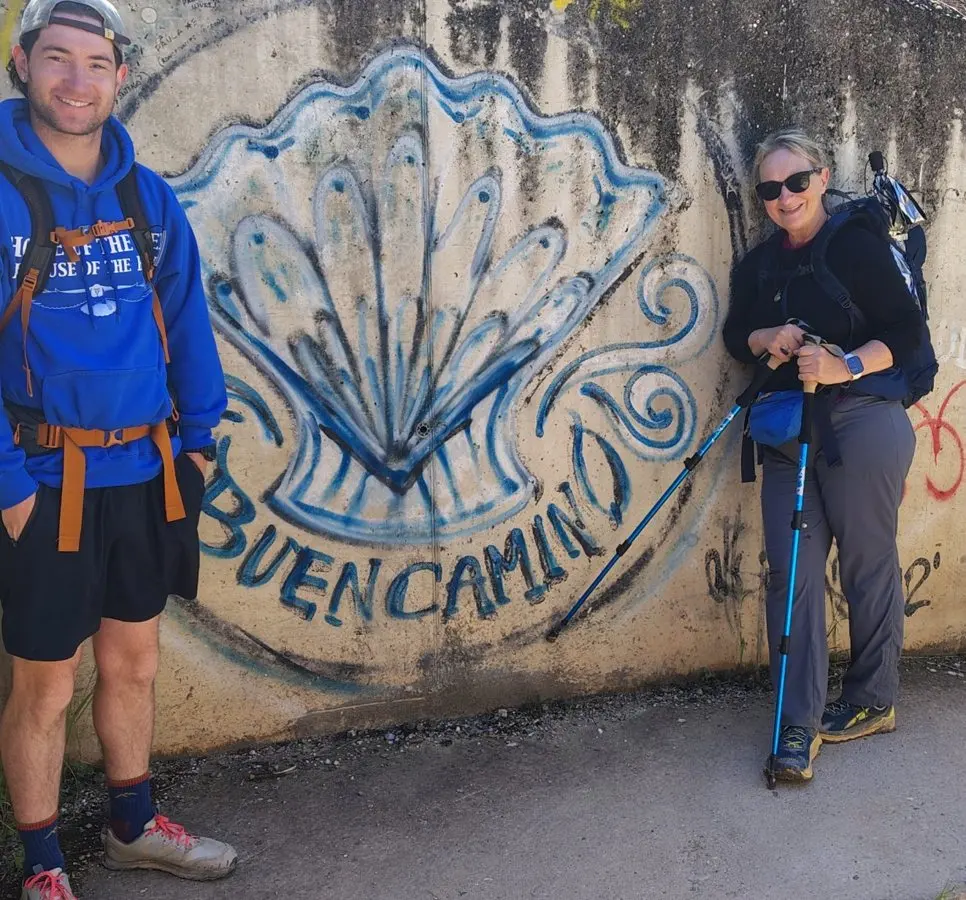
Day eight of a Camino de Santiago walk is supposed to be a slog. Instead, the hikers behind this diary entry took it easy — just 5.7 miles from Viana to Logroño in northern Spain, bringing their total to just over 100 miles since setting out. The short stretch turned into one of the best days of the trip, and it shows how the Camino rewards travellers who slow down.
The morning started with a leisurely breakfast at the Oasis Cafe in Viana, run by American Christian volunteers who also operate a food truck further along the trail. Sitting at a table on the narrow street, they watched dozens of pilgrims stream past — some already hours into their day. Brian, a Scot they'd shared a dormitory with back at the Roncesvalles monastery, appeared out of the crowd and joined them, a nice reminder of how Camino friendships keep resurfacing.
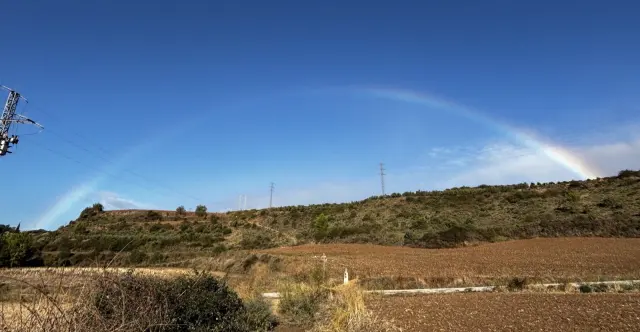
Viana itself is worth a look before leaving. The old town sits high on a hill, defended historically by a river and stone walls. The route out drops through narrow streets, passes through the ancient walls and crosses a stone bridge into open farmland. A storm was visibly brewing near Logroño; the walkers' late start meant they dodged it entirely, while other pilgrims later described a frightening hike through the worst of it.
Logroño, the capital of La Rioja, is where the day got indulgent. Armed with tips from the cafe volunteers, the group did a progressive lunch across the city's bars: pulled pork pinchos at one, patatas bravas at another, then authentic Basque cheesecake with fresh shredded cheese to finish. This bar-hopping style of eating — pinchos culture — is exactly what Logroño is known for, particularly around Calle del Laurel.
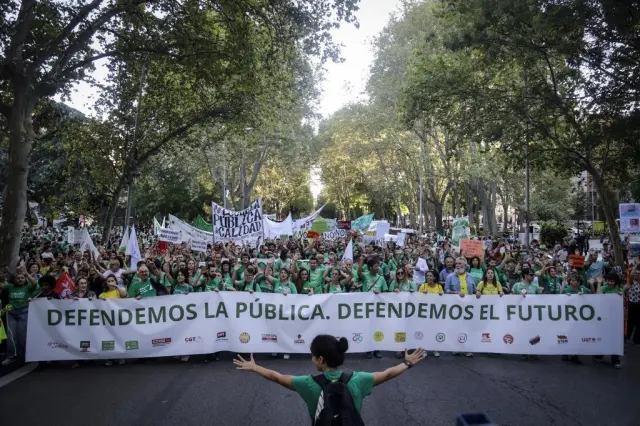
Culture came too. The Concatedral de Santa María de la Redonda houses a painting attributed to Michelangelo, valued at somewhere between $47 million and $120 million, kept behind glass and a heavy vault system. Inside, ornate retablo altarpieces and detailed marble carvings justify the visit even without the famous canvas. Afterwards, the group did what Spanish cities do best: sat on a bench with a couple of beers and watched the world go by, including a pro-Palestine rally.
The night's stop was the Winederful Albergue in the city centre — a pilgrim hostel with a clever bunk design. Each bed sits in a three-walled stall with a heavy curtain across the front, plus a lamp and power outlet, creating a private cocoon that's a step up from a standard dorm. Anyone who's struggled to sleep in a shared bunk room will appreciate the concept.
For walkers, this day is a template: schedule at least one short, restorative stage in the first two weeks of the Camino Francés. Logroño makes it easy, combining genuine food culture, a headline cathedral and comfortable budget lodging within a compact centre. For non-hikers, the same itinerary works as a weekend city break in Spain's wine country.