Đồng Tháp, a quiet province in Vietnam's Mekong Delta, is pushing hard to turn tourism into a genuine economic pillar — and the numbers suggest it's working. Visitor arrivals have grown more than 15 per cent a year on average, and this year the province has already welcomed 5.5 million travellers, including 432,000 international guests, earning roughly US$111.5 million in direct tourism revenue. The 2026 target is ambitious: 8 million visitors and VNĐ4.8 trillion in revenue.
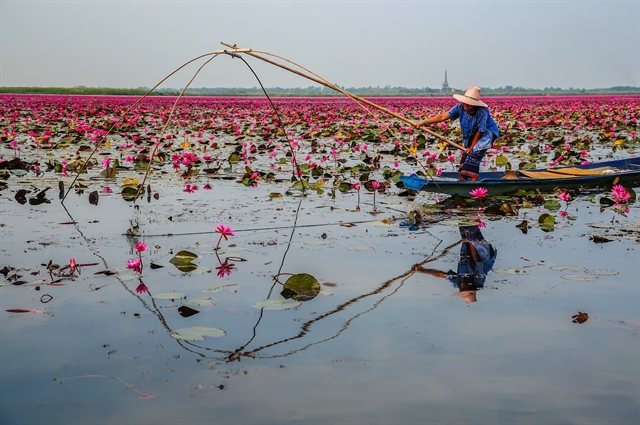
What's the draw? Three distinct natural zones — freshwater, mangrove and alum-water ecosystems — give the province an unusually varied menu of experiences. The headline attraction is Tràm Chim National Park, Vietnam's second Ramsar wetland site and the world's 2,000th. During the annual flood season, visitors drift through waterways, watch birds, fireflies and butterflies, and try traditional livelihoods first-hand: casting nets, setting fish traps and hook-and-line fishing. It's exactly the kind of hands-on rural experience travellers increasingly want.
History runs deep here too. Đồng Tháp counts 295 recognised relics, including five of special national importance. The tomb of Nguyễn Sinh Sắc — father of President Hồ Chí Minh — draws tens of thousands each year for his death anniversary, while the Ấp Bắc Victory Site, plus restored sites at Gò Tháp, Rạch Gầm-Xoài Mút and Xẻo Quít, anchor the province's wartime heritage routes.
The province is also going digital. QR codes at relics, craft villages and attractions let visitors self-guide, and a MAP4D mapping system brings sites like the century-old Tân Đông communal house to life on your phone. A smart tourism app and information portal cover destinations, itineraries and events.
Food and farm experiences round out the offer. Sa Đéc Flower Village remains a marquee attraction, and agricultural tourism is booming — Đông Nghi Cooperative's goat farm lets visitors tour the operation and sample six lines of OCOP-certified goat milk products. The province has 1,061 OCOP products in total and more than 150 agriculture, craft-village, community and ecotourism sites stretching from the Cambodian border to the Gò Công coast, where mangrove conservation and high-tech aquaculture visits are being developed.
Infrastructure is modest but adequate: 91 tour operators, over 400 guides and 455 accommodation properties with about 7,900 rooms, of which 59 hotels are rated one to three stars. Don't expect luxury resorts — expect homestays, farm stays and a genuine slice of delta life.
For travellers, Đồng Tháp makes sense if you've already seen Ho Chi Minh City and the well-worn Mekong stops and want somewhere less touristed. Flood season (roughly August to November) is the best window for Tràm Chim, while late winter brings the Sa Đéc flower fields into bloom ahead of Tết.