Landing at Chicago O'Hare after a flight should be the boring part of a trip. For one traveller, it turned into a lesson in a small but growing rideshare scam: an Uber driver started the trip without him in the car — and Uber charged him for it anyway.
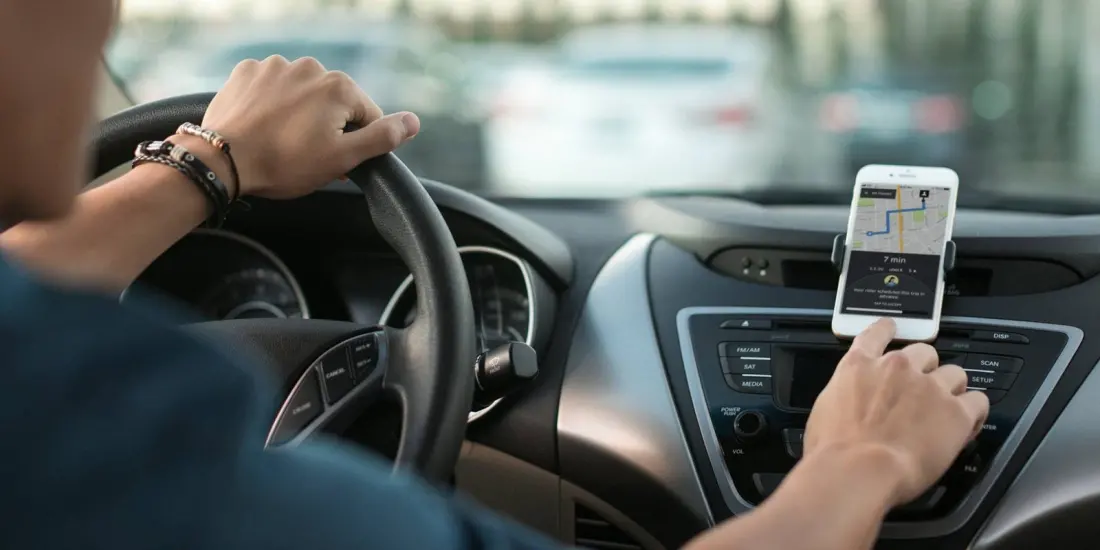
Here's how it played out. He requested a ride after landing, since pick-ups at O'Hare happen on the departures level of Terminal 2 or 3. As he walked out, his phone buzzed: the ride had already started. Nobody was there. When he messaged the driver, the excuse was that it was "accidental" — the driver claimed he was on his way and would arrive in about 15 minutes, though the GPS point was on Harlem Avenue, just east of the airport.
Then came the awkward bit. The driver said he'd have to cancel — but you can't cancel a ride already in progress. So he simply ended the trip a short distance away on Myrtle Avenue, less than a mile from the pick-up point, and the fare auto-charged roughly $8 for a ride the passenger never took. A rebooked ride worked fine, but when the traveller flagged the bogus charge, Uber's AI-powered support loop did essentially nothing. He asked for a human follow-up to the follow-up and has heard nothing since.
It's only $8, which is exactly the point. The scheme only works because the amount is too small for most people to fight, and a driver likely keeps just a few dollars per run. Multiply that across dozens of pickups a day and it adds up. It's also a known trick — the writer admits he'd covered this same scam before and fallen for it anyway.
The fix takes about a minute. In the Uber app, turn on PIN verification: each ride then generates a unique four-digit code that the driver must enter before the trip can start. No PIN, no fare — which makes it impossible for a driver to start a trip from the kerb half a mile away. It's a worthwhile setting for anyone who uses Uber regularly, especially when arriving tired at an airport with bags and a driver queue to navigate.
The broader takeaway: when something goes wrong with an app-based service, don't rely on the chatbot. Push for a human, document everything with screenshots, and dispute small charges anyway — if enough people do, these micro-scams stop being profitable.
Credit: Live and Let's Fly