The Camino Primitivo, the original pilgrimage route across northern Spain from Oviedo to Santiago de Compostela, is often called the toughest of the Caminos — and a recent day-six account from hikers walking it shows exactly why, and why that's part of the charm.
The day started with a simple pilgrim breakfast of scrambled eggs, toast and juice before setting off through patchy fog on a long climbing stretch toward a dam. Low cloud on this route isn't a nuisance so much as a mood: the mist shifting over the hills made for striking views, and the quiet trails gave the walkers plenty of chances to fall into conversation with other pilgrims, one of the Camino's great rituals.
The centrepiece of the morning was the dam itself, reached via an unmarked "secret door" of a path that opened out to a sweeping view over the reservoir. Walking across the dam wall was a highlight, even if the water level was too low to see spillways in action. From there, the day followed a familiar pilgrimage rhythm: a climb to the small hilltop hotel and cafe Las Grandas for a well-earned beer and a plate of beef steak with salad and potatoes, then 3km along a busy road before happily switching to a quieter dirt track.
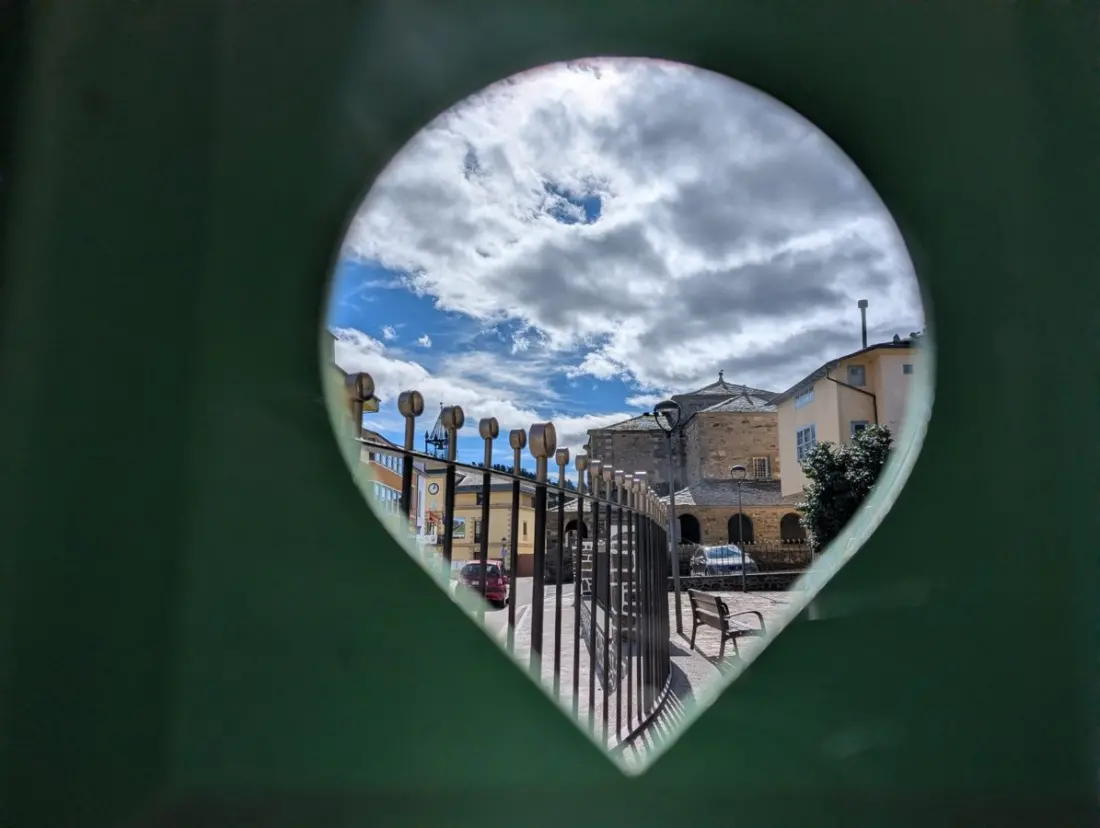
The afternoon brought a stop in a small town — lemon beer, a hunt for a working ATM, and a pop into the local church, where an ill-timed sneeze echoed spectacularly. Back on the dirt trail, the final climb led to Albergue de Castro, the night's stop. There, the usual pilgrim-albergue routine played out: showers, mystery vending-machine snacks (a giant bag of shelled sunflower seeds among them), ham-flavoured crisps, supermarket supplies stashed for the next morning's breakfast, and dinner-table chat with fellow walkers before burgers, then bag-packing in a shared bunk room and lights out.
For travellers, this leg captures what the Primitivo is really about. It's a more demanding, less crowded alternative to the French Way, with fewer facilities and longer stretches between stops — which makes the hilltop cafes, village albergues and improvised meals feel genuinely earned. Expect a mix of quiet dirt paths and some road walking, variable weather in the Asturian hills, and nights in simple shared accommodation where dinner and conversation are as much a part of the route as the views.
Practical notes if this inspires you: day six is mid-route, deep in the hilly section, so a reasonable base fitness helps. Carry cash — ATMs are sparse, as this account shows — and stock up on breakfast supplies when you find a small shop, because opening hours in tiny villages are unpredictable. Book albergues in busier season if you want a bunk guaranteed, and keep a snack budget: vending machines and pilgrim menus do brisk business on this trail.
Story via The Trek.