Colombia has a new culinary talking point: sancocho, the country's beloved slow-cooked soup, has landed a spot on TasteAtlas's ranking of the 100 best soups on the planet, coming in at number 94. It's the only Colombian dish to make this edition of the list, nudging ahead of other traditional national soups that didn't get the nod.
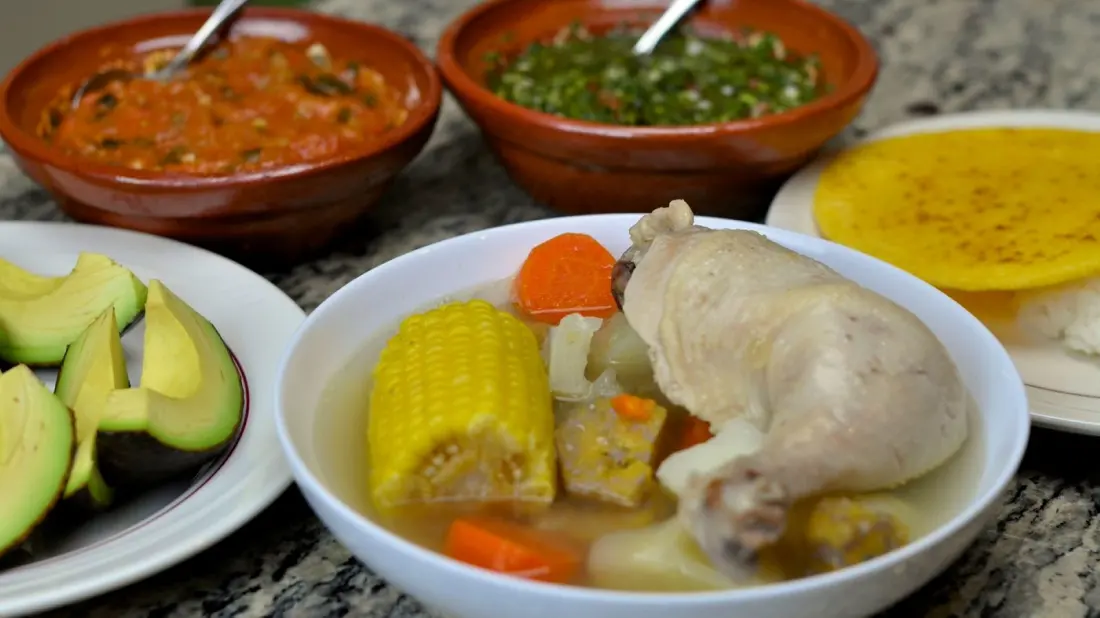
If you've never tried it, sancocho is less a single recipe than a family of them. The base is a rich, slow-simmered broth loaded with meat — chicken, hen, beef or pork depending on where you are — plus tubers and vegetables like plantain, cassava, potato, yam, corn on the cob and squash. Tomatoes, onions, garlic, cilantro and celery often join the pot. Every region (and honestly, every household) tweaks the formula, which is part of the charm.
One of the best-known versions comes from Valle del Cauca, where chicken sancocho is served with white rice, avocado and ají, a spicy sauce that cuts through the heartiness. The dish is deeply tied to social life in Colombia — think weekend family lunches, celebrations and big pots made to feed a crowd. The name itself traces back to the Spanish verb sancochar, meaning to parboil or partially cook, and cousin versions of sancocho appear across Latin America, though the Colombian takes have their own identity.
As for the competition: Paraguay's vori-vori, a broth with small corn flour and cheese dumplings, took first place with a 4.7 out of 5 rating. Turkey's beyran çorbası from Gaziantep — lamb, rice, garlic and pepper paste — came second, followed by Jakarta's coconut-milk Soto Betawi in third. Japanese ramen dominated the next spots, with Yokohama-style iekei ramen fourth and Fukuoka's tonkotsu fifth.
TasteAtlas compiled the ranking from nearly 60,000 user ratings, of which just over 33,000 were verified as legitimate, and is upfront that the list is a conversation-starter rather than a definitive verdict on world cuisine.
Why should travellers care? Because sancocho is exactly the kind of dish worth ordering beyond the tourist trail. It's everyday food in Colombia — cheap, filling and best eaten where locals eat it, whether that's a Sunday lunch spot in Cali or a family kitchen in the Caribbean coast's towns. And since the recipe shifts by department, trying two or three versions is a low-effort, high-reward way to taste the country's regional differences in a single bowl.