Dubai International Airport has moved 50.4 million passengers in the first nine months of 2026, and while that sounds enormous, it actually represents a significant dip from last year — down 28.1% compared with the same stretch of 2025. The third quarter alone fell 22.1% year on year.
The encouraging part is the trajectory. Traffic climbed steadily through spring: 3.5 million passengers in April, 4.5 million in May, then five million in June, adding up to 13 million for the second quarter and 31.5 million for the first half of the year. Summer then delivered a proper surge, with 18.8 million travellers between July and September — a stronger quarter than the one before it. August was the standout, handling 6.6 million people and becoming the busiest month of 2026 so far.
Dubai Airports boss Paul Griffiths isn't dwelling on the decline. He expects DXB to push past 70 million passengers before the year closes out, with more airlines restoring routes to Dubai and expanding their networks. That recovery of airline connections matters, because Dubai's whole model depends on sitting at the crossroads of Europe, Asia and Africa — it's one of the world's biggest connecting hubs, not just a destination airport.
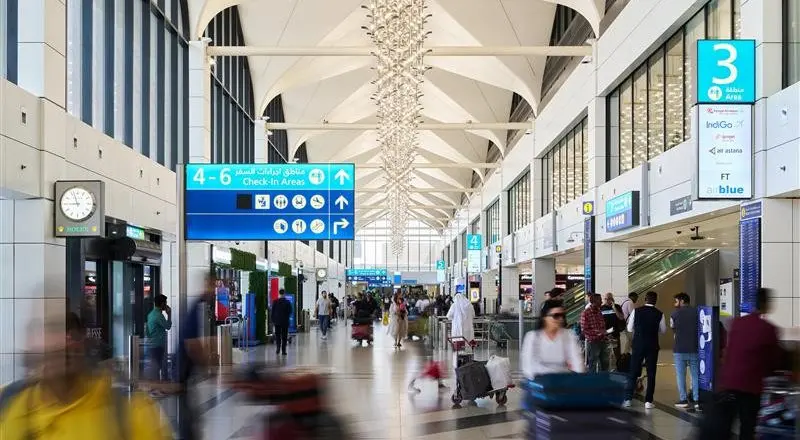
There's also a passenger-experience angle worth noting. As numbers rebuild, the airport says it's working on making journeys through the terminals faster and more convenient — a nod to the fact that anyone who has connected through DXB in peak season knows the queues can be real.
So why should a holidaymaker care? If Dubai is on your list, the rebounding traffic is a sign the city's tourism engine is running hot again, which usually means more flight options and competitive fares as carriers pile back in. And if Dubai is your connection point rather than your destination — which it is for millions flying between continents — smoother terminal processes will make those long-haul stopovers a lot less painful. Book smart, and this recovery works in your favour.