Charter pricing is the least transparent corner of air travel. Ask what a private jet costs and you'll hear answers anywhere from a few thousand dollars to a six-figure invoice — and in 2026, both can be right. Current rates run from roughly $2,000 per hour for a turboprop to more than $20,000 per hour for an ultra-long-range jet like the Gulfstream G650ER.
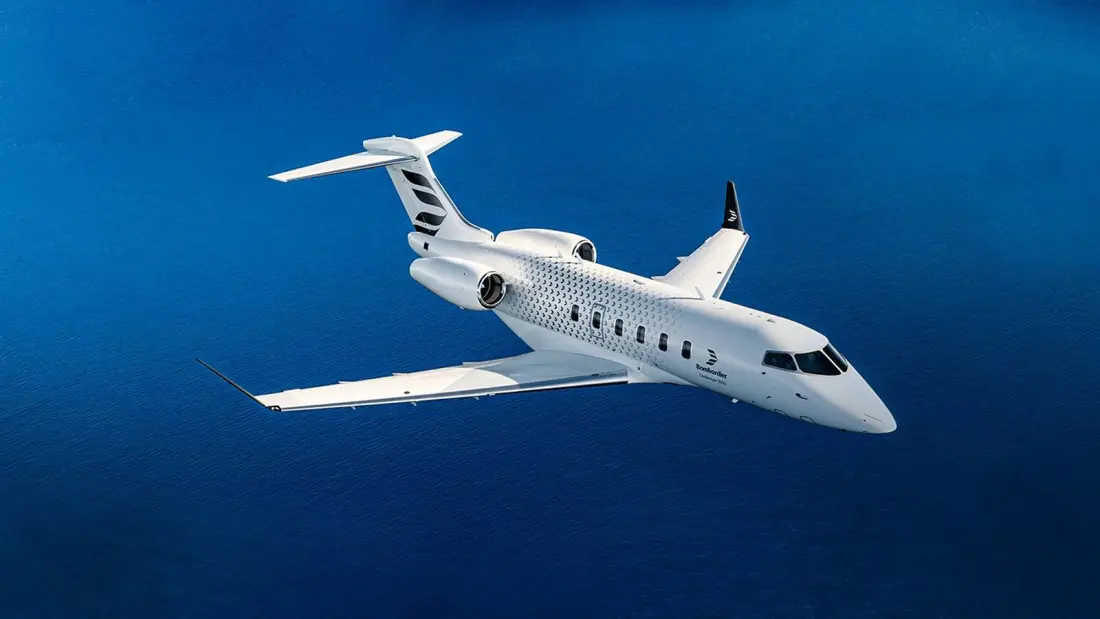
The aircraft category drives most of the price. Turboprops such as the King Air 350 or Pilatus PC-12, carrying six to nine passengers on hops up to about 1,500 miles, start around $2,000-$3,000 an hour. Light jets like the HondaJet or Citation CJ3+ run $3,000-$4,500. Step up to the popular super-midsize tier — think Bombardier Challenger 350 or Citation Latitude, with stand-up cabins and up to 3,500-mile range — and you're at $6,000-$8,000 per hour. Heavy and ultra-long-range jets for intercontinental missions sit at $8,000 to $20,000-plus.
But the quoted hourly rate is rarely what you pay. US charters carry a 7.5% Federal Excise Tax, plus segment fees, airport handling, crew overnights, de-icing and fuel surcharges. Positioning costs are the classic gotcha: if the aircraft has to fly empty from another airport to collect you, much of that cost lands on your invoice. Two trips of identical length can produce wildly different quotes purely because of where the jet was parked beforehand.
Timing matters too. Around Christmas, New Year, Thanksgiving and big events like Formula 1 races or the Super Bowl, operators add surcharges of 10-30% — they can't add capacity the way airlines can, so scarcity does the damage. Book well ahead if your dates are fixed.
The real bargain is the empty leg. When a jet must reposition for its next booking, operators sell the flight at 40-75% off, sometimes dramatically more. One recent listing offered a Frankfurt-Vienna empty leg for €1,090 instead of €8,000 — for the whole aircraft, so split four ways it undercut a last-minute business-class seat on the same route. The trade-off is a fixed route and departure time, plus the risk of cancellation if the underlying charter changes. Sites like GlobeAir list current availability.
The final mental shift is per-person maths. A charter is a whole aircraft, not a seat, so eight people on a turboprop can each pay close to a flexible business-class fare. Solo travellers, meanwhile, will nearly always be better off in Delta One or Singapore Suites than chartering alone. Fill the seats, and private flying starts to make genuine sense — especially on routes where commercial options are thin or airports are congested.