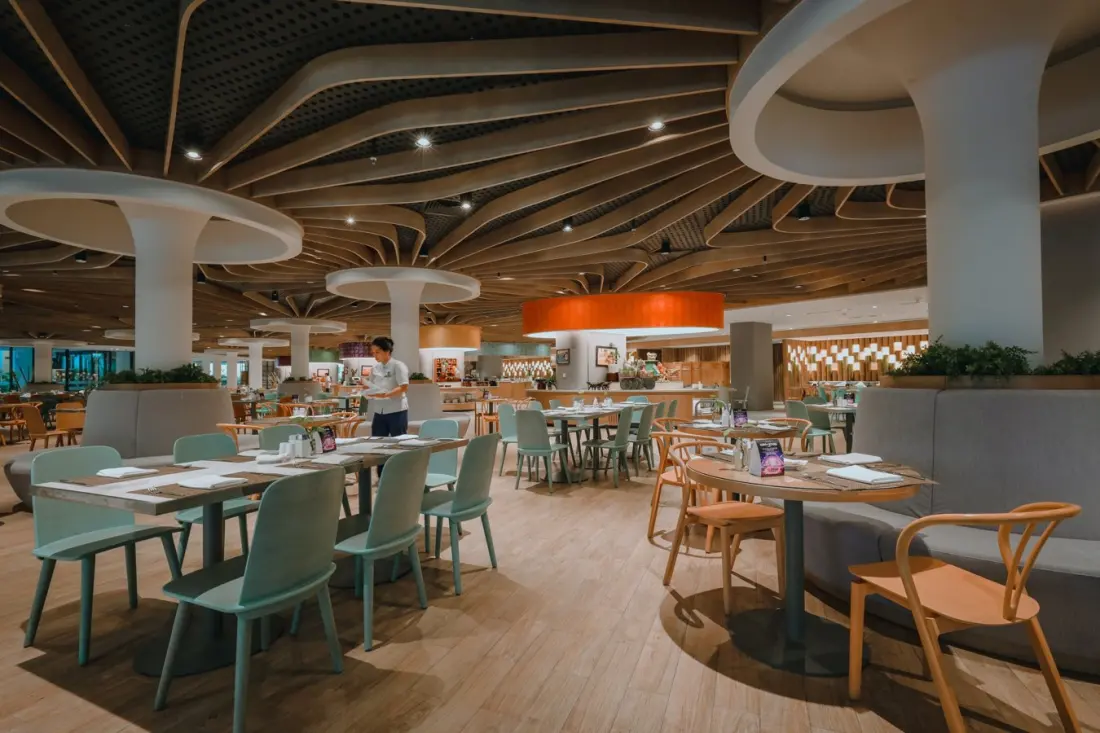
Airport food has earned its bad reputation — overpriced snacks, salty grab-and-go options, menus that seem designed to make you feel worse by hour three of a flight. But at big international hubs, the situation has genuinely improved. Celebrity chefs and farm-to-table concepts are moving into terminals: think Native by Nyesha, chef Nyesha Arrington's spot at LAX, or Daily at Newark Airport, which builds a changing menu around local ingredients.
So how do you actually find a decent pre-flight meal instead of settling for a sad pretzel? Start with the airport directory and skip the chains you already know. Look first at the fine dining or farm-to-table options and actually read the menu — healthy-looking branding means nothing. What you're hunting for is fresh, easy-to-digest food: soups and salads, oatmeal or porridge at breakfast, rice-based dishes.
What to avoid matters just as much. Alcohol and caffeine both dehydrate you, and cabins already pull moisture out of your body fast. Skip the double espresso and the pre-flight beer. Heavy salt — including salty drinks like Bloody Marys — makes dehydration worse. And fried food and red meat are risky before a long flight: they can trigger heartburn and cause bloating thanks to cabin pressurization.
One trick worth stealing: think BRAT — bananas, rice, applesauce, toast. It's the diet recommended for upset stomachs precisely because it's gentle to digest, which is exactly what you want when you'll be sitting still for ten hours. Also, factor in the plane food itself. If you know your airline serves a cheesy pizza turnover as the second meal on transatlantic routes, deliberately order something without cheese, bread, or tomato sauce at the airport so you're not eating the same heavy combo twice.
Timing is the other half of the equation. Airport kitchens are generally quick, and hosts will usually give you an honest estimate of how long a meal takes — but no plate of food is worth a missed boarding call. Give yourself a hard buffer.
Finally, don't assume a sit-down meal is the expensive option. Airport snack prices are often higher than a proper restaurant main course, so buying nuts, dried fruit and drinks individually can actually cost more than eating a real meal. Think of it as an investment: you'll feel noticeably better stepping off a long flight if you boarded properly fed and hydrated. Pack some doctor-approved snacks for the plane itself, but let the airport restaurant handle the meal before it.