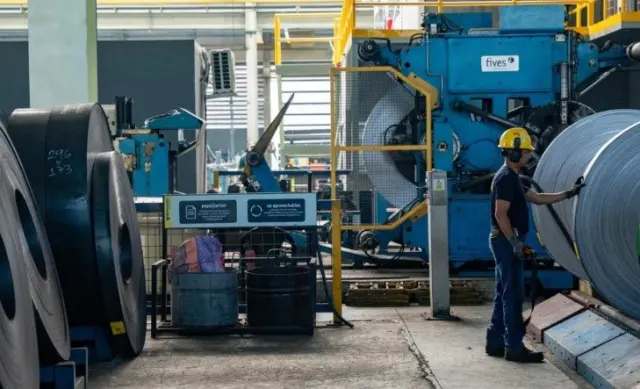
Ecuador's electricity chaos reached a new level of farce this week when the government ordered around 9,000 businesses off the power grid for a full seven days — then scrapped the order hours later, calling it an "error". Public Administration Secretary José Julio Neira announced the retraction on Wednesday night, saying companies should revert to the existing schedule of three days a week without power. An Energy Ministry official said to have issued the week-long order was fired, though a friend told Radio Quito the man was simply "following the directive of his boss" and had been made a scapegoat.
The confusion came after a night of unscheduled residential blackouts across the country on Tuesday and Wednesday. Before the reversal, the national distributor Centrosur had described the week-long cut as "immediate and mandatory", warning of forced disconnection and fines, with power not due back until October 20. Business leaders reacted furiously, warning the measure could trigger layoffs and bankruptcies.
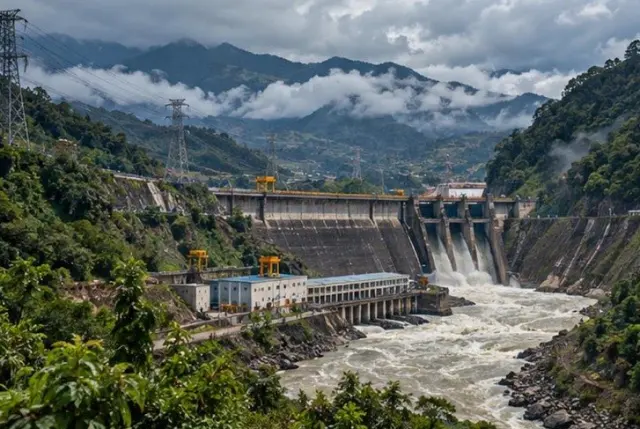
The root of the problem is water — or the lack of it. Reservoirs at all of Ecuador's major hydroelectric plants have fallen to critically low levels during the drought. At the Mazar complex in Azuay Province, capable of generating up to 1,800 megawatts, the reservoir sits just nine metres above its minimum operating level. The Minas San Francisco plant faces imminent shutdown as the Río Jubones flow drops, and the 1,200-megawatt Coca Coco Sinclair plant in Napo is running at half capacity.
Dozens of energy experts and professional bodies now say targeted business cuts aren't enough. The Pichincha College of Electrical and Electronic Engineers has demanded an immediate nationwide blackout schedule that shields hospitals and emergency services. Others dispute government numbers: engineer Carlos Andrade says recent claims of adding 400 megawatts of thermal generation ignore 300 megawatts lost to broken, obsolete machinery, and that real thermal capacity is roughly 1,300 megawatts, not the 3,000 advertised. Former engineers' college president Katheryn Pazos accuses President Daniel Noboa of protecting households — and voters ahead of the November 29 elections — rather than fixing the grid.
For travellers, this matters directly. Anyone planning a trip to Ecuador — whether to Cuenca and the southern highlands, Quito, or the Amazon gateway towns — should expect rolling power cuts of several hours or more, with the possibility of broader scheduled blackouts as the drought continues. Hotels usually have some backup power, but lifts, card payments, Wi-Fi and hot water can all be affected. Carry cash, a torch and a charged power bank, keep devices topped up when electricity is on, and build slack into any itinerary that depends on precise timings. The situation is fluid and could improve with rain or worsen with general blackouts, so check local news shortly before you go.