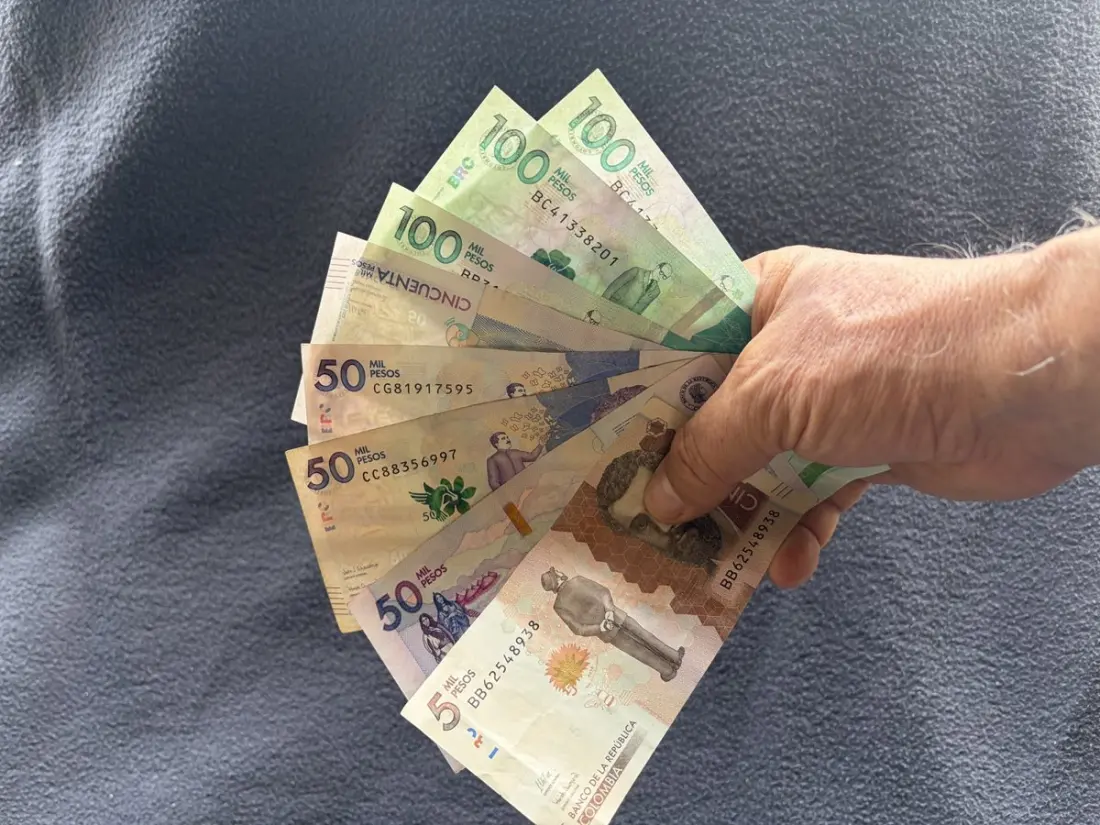
Colombia may soon make it much harder to pay cash for a house, a car or a plot of land. A proposed Anti-Terrorism Statute from President Abelardo De la Espriella's government would restrict large cash payments on high-value purchases, forcing many transactions through bank transfers or other traceable methods.
The goal is to cut off a favourite route for laundering money from drug trafficking and illegal mining, where illicit cash slips into the formal economy through property and vehicle deals. The banking association Asobancaria has publicly backed the idea. Its president, Jonathan Malagon, said in October 2026 that apartment, car and land purchases should be subject to mechanisms that allow authorities to follow the money trail.
If the rules take effect, a home sale would leave a record of the accounts involved and the funds moving between buyer and seller, and similar paper trails could be applied to used vehicles and land deals, letting officials cross-check payments against sales documents. Buyers and sellers would need to keep documentation supporting their transactions.
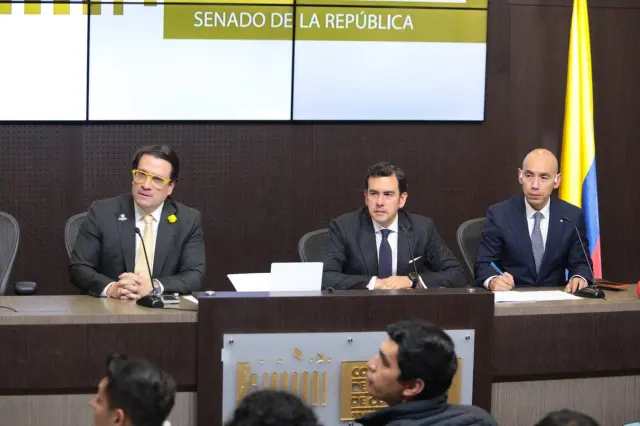
Plenty is still up in the air. The government hasn't set the cash threshold that would trigger the restrictions, which sales would be covered, or whether exceptions would apply. Interior Minister Rodrigo Lara will present the bill to Congress, where the final terms will be debated — and it needs approval before July next year.
The cash-payment limits sit inside a wider package aimed at criminal financing networks, including measures targeting the assets of people and organisations linked to terrorism, plus tighter controls on strategic minerals and virtual assets. Analysts also caution that traceability alone doesn't prove a transaction is clean; documenting a transfer is one thing, verifying the origin of funds is another. The core debate in Congress will be how to tighten the screws on laundering without burdening legitimate sales.
Why should travellers care? Anyone buying a holiday apartment, investment property or even a vehicle in Colombia — a growing market for foreign buyers in cities like Medellín and Cartagena — could face new payment requirements if the bill passes. Until the thresholds are defined, it's impossible to say exactly how big a cash payment would need to be before it's caught. Anyone considering a high-value purchase there in the coming year should watch the legislative process and be prepared to route payments through banks with proper paperwork. For now, cash remains legal for these transactions; the clock is ticking on that.