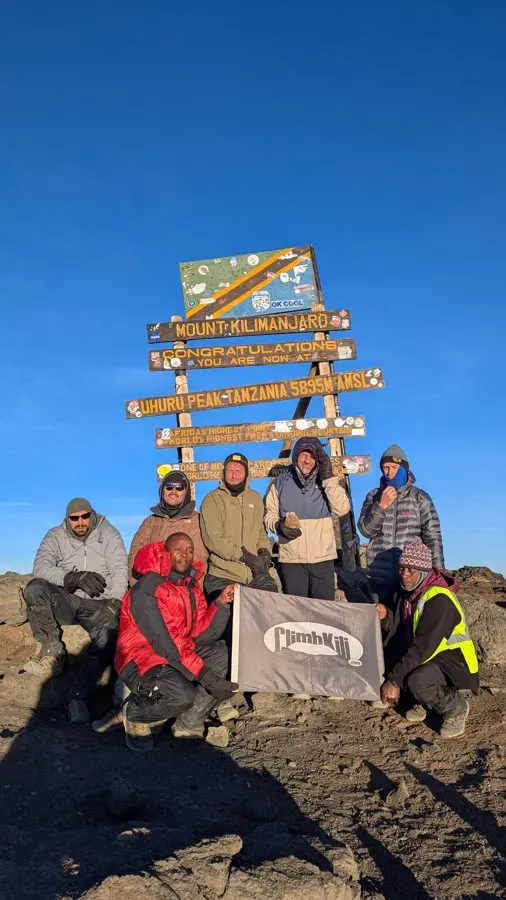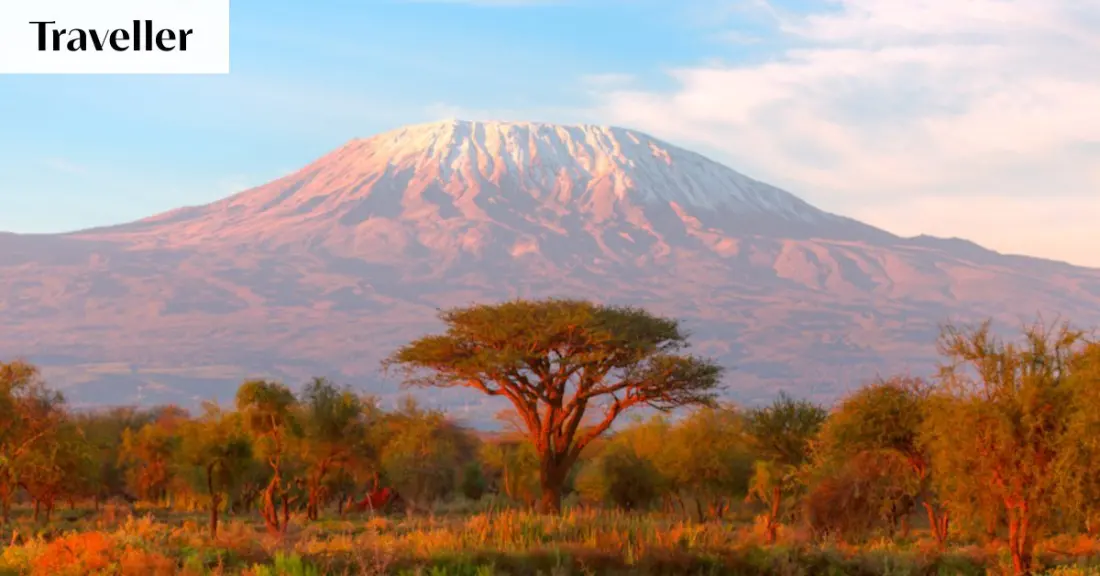
At 2am, three hours into a summit push on Mount Kilimanjaro, a 60-year-old Australian writer is grinding up loose volcanic scree above 5000 metres, breath by breath, towards Uhuru Peak — the 5895-metre point known as the Roof of Africa. His account of the climb, undertaken with tour operator World Expeditions, is both a sobering reality check and a strong case for choosing the right route.
The trip nearly didn't happen. A year earlier the writer survived a near-fatal heart blockage, quit a 40-year drinking habit, and got fit — then a throwaway comment from a colleague about "those sorts of people" who climb Kilimanjaro tipped him into booking. For anyone eyeing the mountain as a post-50 challenge, it's a reminder that summit success is as much about steady health and patience as raw fitness.
The route matters. The group climbed the Remote Northern Circuit, the longest approach at nine days, looping from the western side around the quiet northern flank before the final push. The payoff is twofold: after a couple of days you leave the crowds behind (the party had the vast Shira Plateau almost to themselves), and the extra days boost acclimatisation — this route has the highest summit success rate of all Kilimanjaro approaches.
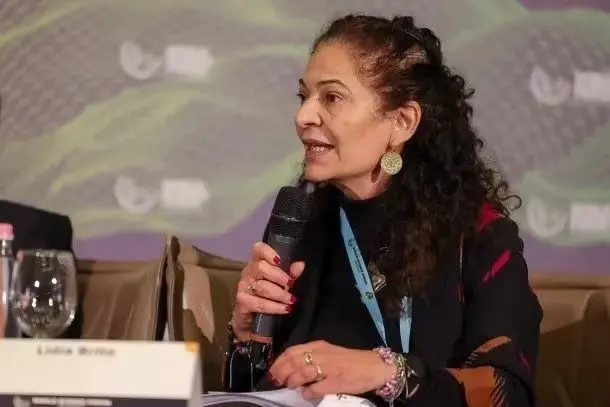
Daily life on the mountain is regimented: tea at the tent at dawn, hot water for washing, breakfast in the mess tent, on the trail by 8am, camp by mid-afternoon, dinner at 7pm. Climbers each get a personal porter, and porter loads are officially capped at 20 kilograms at the trailhead gate. The writer admits discomfort at the porters' labours, but veteran guide Lucia Kivoi — a Maasai woman nicknamed "Lioness" and one of the mountain's first female porters — is frank about the reality: guiding and portering work feeds families and educates children, and without climbers there'd be no jobs.
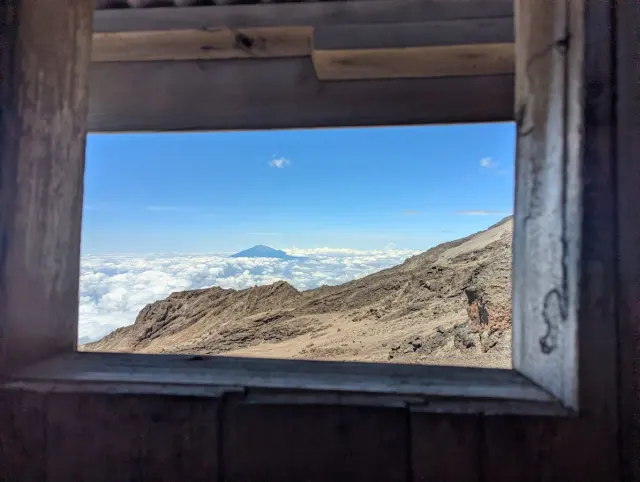
Summit night is the brutal part. Leaving School Hut base camp at 11pm after a Swahili prayer, the team climbed towards Gilman's Point (5685 metres) on the rule of "pole, pole" — Swahili for "slowly, slowly" — reaching it at first light for tea, a Snickers bar and a sunrise over the jagged second cone of Mawenzi. Uhuru Peak was another two hours on. One of the four had already turned back with breathing trouble; even at this success-friendly pace, the mountain doesn't guarantee anyone.
For travellers weighing up Kilimanjaro, the takeaways are clear: pick the longest route you can afford the time for, expect a support crew of around 24 porters for a small climbing team, and know that the hardest hours are the ones just before dawn. This story is less a how-to than a persuasion — proof that a fit 60-year-old newcomer to mountaineering can stand on the Roof of Africa.
Story first reported by Traveller (Sydney Morning Herald).