A new warning from the Pacific Community (SPC) is worth a look if you have flights booked to Fiji, Kiribati or anywhere across the island Pacific in the coming months. Ocean science officer Dr Moleni Tu'uholoaki says the current El Niño resembles the big events of 1982-83, 1997-98 and 2015-16 — but that no two countries will feel it the same way.
The mechanics are straightforward: during El Niño, unusually warm water pools in the central and eastern Pacific, pushing sea levels higher there, while the western Pacific — home to countries like Fiji and Vanuatu — sees lower sea levels. For low-lying atoll communities, that prolonged exposure stresses coral and can trigger bleaching. The 2015-16 event was brutal on this front: Kiribati suffered widespread coral bleaching, Fiji saw coral stress in February 2016, and conditions were rated anywhere from moderate to extreme, with what Tu'uholoaki calls mass mortality of marine life.
Cyclone seasons also tend to intensify during El Niño years. Past events produced 18, 20 and as many as 24 tropical cyclones in a single season, with 2015-16 hitting the top of that range. Timing and location remain unpredictable, though — the scientist's own caveat is that history doesn't guarantee what happens locally next.
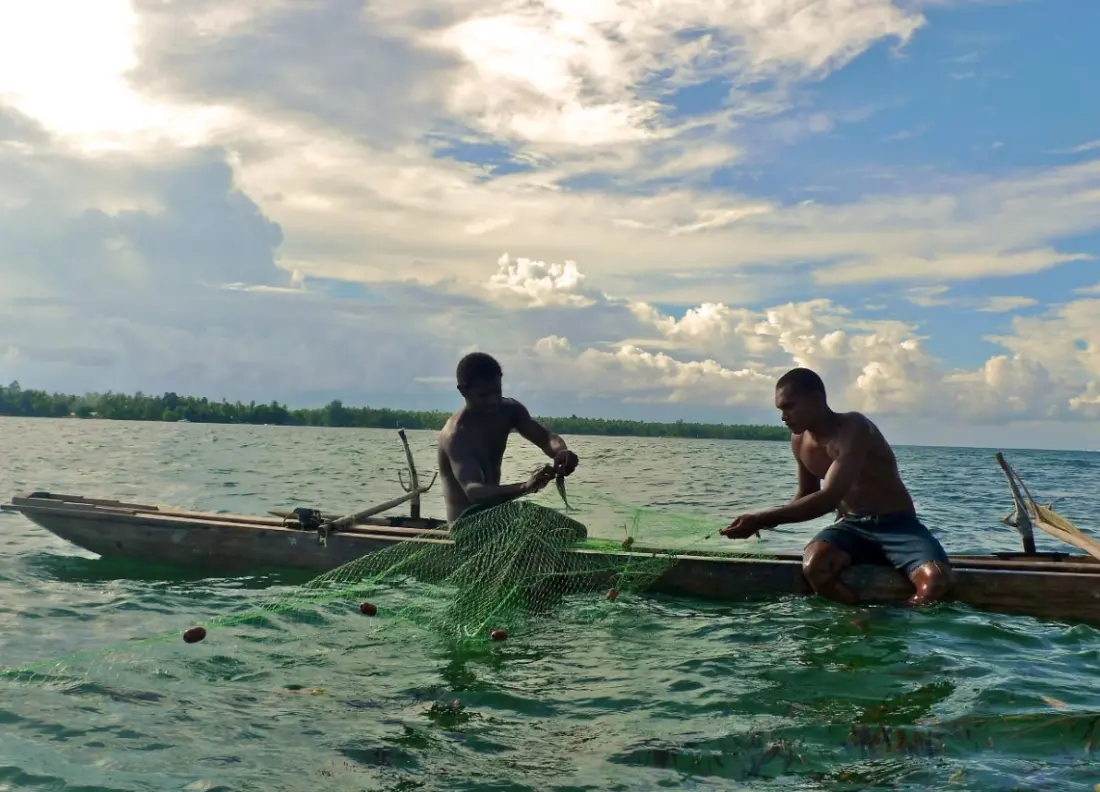
There's a knock-on effect for one of the region's signature experiences too. Tuna gather along temperature fronts in the ocean, and those fronts shift as El Niño takes hold. The fish don't vanish from the Pacific; they simply move to new grounds, which can change where charter fishing is productive and, further down the line, how island economies built on fishing and tourism fare.
The September-to-December outlook points to warmer water concentrated around the equator, with the central and eastern Pacific — think Kiribati and Tuvalu rather than Fiji or Samoa — most affected. Tu'uholoaki's bottom line: same regional pattern, very different national outcomes, so a generic forecast is next to useless for planning a specific island trip.
For holidaymakers, the practical takeaway is to check conditions for your exact destination rather than the region as a whole. If you're diving or snorkelling, ask operators about local coral health before you go, and be realistic that reefs in the central Pacific may be visibly damaged after previous bleaching events. If you're travelling during cyclone season, book flexible fares and keep an eye on regional advisories from your national weather service. Surf charters and fishing trips may find that seasonal hotspots have moved — local operators usually know first.
This is also a story about the places themselves. Many of these island nations depend heavily on tourism and fisheries, and shifting ocean conditions hit both at once. Travelling in the shoulder season, choosing operators who support reef conservation, and spending locally all make a small but real difference.