Most guidebooks will tell you November to April is the window for El Salvador, and it's decent advice — but a Salvadoran local writing on El Salvador Info argues the country is worth far more than its sunniest months. The trick is matching your dates to what you actually want to do.
The dry season (November to April) is peak time for a reason. Days are reliably sunny, so you can tick off volcano hikes, colonial towns, archaeological sites and national parks without watching the sky. December to February brings the nicest conditions: cooler mornings in the mountains, warm enough water on the coast for swimming. The trade-off? Salvadoran families travel heavily at Christmas, New Year's and Easter, so expect livelier towns, fuller beaches and higher prices. And by March and April, the hillsides turn brown and midday heat in lowland areas gets genuinely uncomfortable.
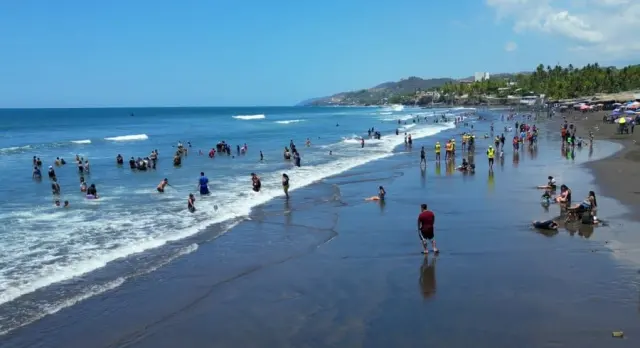
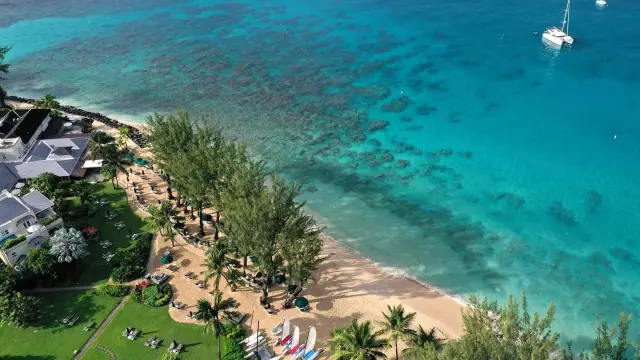
That heat, though, makes March and April prime beach months. El Tunco, El Zonte and Costa del Sol draw sun-seekers and surfers, though wave quality shifts through the year. Holy Week is a spectacle of its own — but roads to popular beaches clog up fast.
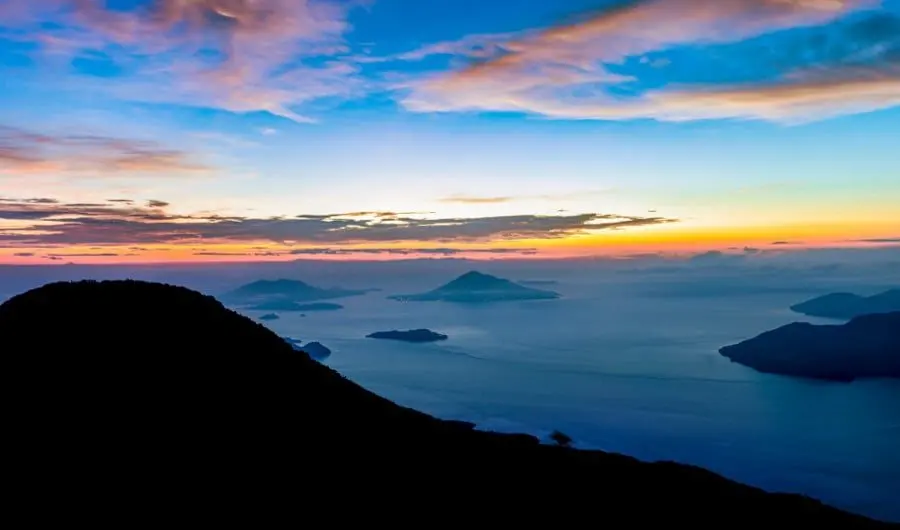
The rainy season (May to October) is the sleeper pick. Rain typically arrives as afternoon or evening showers after sunny mornings, and the payoff is dramatic: mountains go deep green, waterfalls swell, and coffee country around the Ruta de las Flores and Apaneca looks its best under a light mist. Surfers often prefer this season's bigger swells. Nature lovers aiming for June through August get the greenest scenery, with the caveat that afternoon storms can disrupt hikes and trips to remote spots. September and October are the gamble months — heavy rain and the occasional tropical storm can bring flooding, landslides and road closures, so build slack into any itinerary and skip hard mountain hikes or river trips in bad weather.
For a first visit, the local's verdict is December and January. You get the best weather plus December's festive atmosphere — decorated town squares, holiday markets, and families welcoming home relatives from abroad — then a calmer, still-pleasant January. Cool mornings make walking around mountain towns like Ataco and Juayúa a pleasure before the sun gets strong.
Why it matters: El Salvador packs volcanoes, surf breaks, coffee highlands and colonial streets into a small area, and choosing the right month changes what you'll see. Beach holiday? Aim for December to April. Green mountains and fewer crowds? Risk the rain and go June to August. Culture? Festivals run year-round, so check the local calendar. Either way, don't let a weather forecast talk you out of the green season entirely — some of the country's best scenery only shows up when it rains.
Story via El Salvador Info.