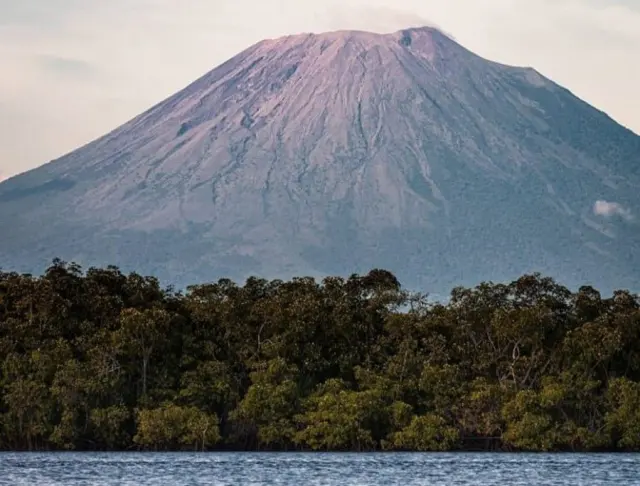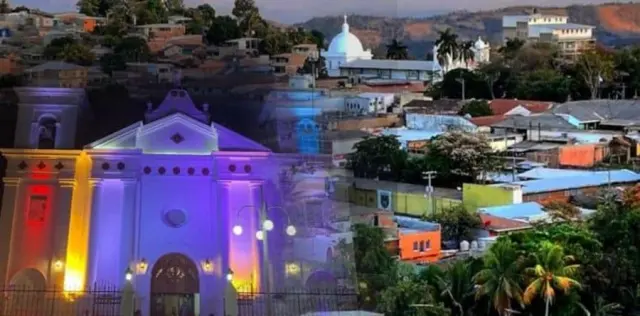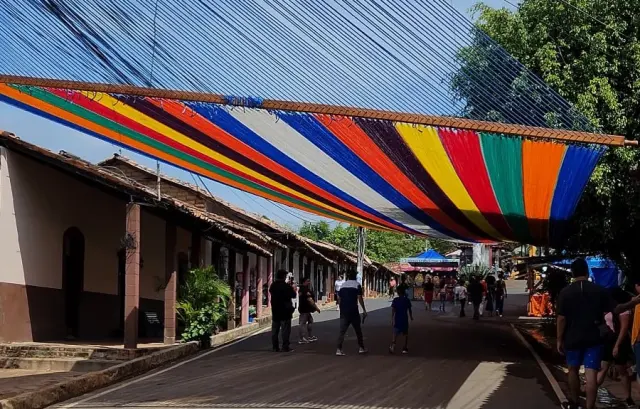
If El Salvador is on your list — and with its surf beaches, volcano hikes and Ruta de las Flores, it's on plenty — the country's latest road safety figures are worth a look before you rent a car or hop on a bus.
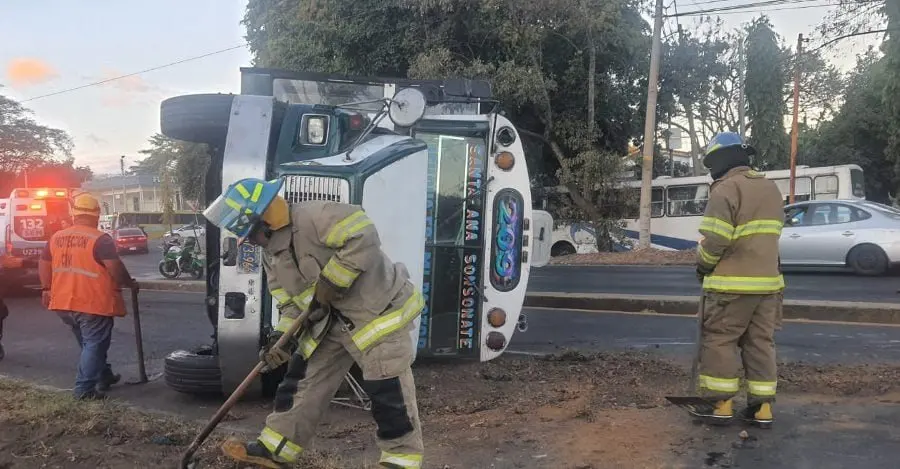
Between 1 January and 2 November 2026, Salvadoran authorities logged 18,544 traffic accidents, resulting in 13,319 injuries and 1,233 deaths. That works out to roughly 61 crashes, 44 injuries and four deaths every single day. And the trend is heading the wrong way: compared with the same stretch of 2025, accidents rose 1.9%, injuries jumped 22.9% and deaths climbed 25.2%. Arrests for dangerous driving were up too, at 2,043.
The numbers map neatly onto the places visitors actually go. San Salvador, the capital, recorded the most crashes at 6,234, followed by La Libertad — home to popular surf towns like El Tunco — with 2,757, and Santa Ana with 2,199. Together these three departments account for over 60% of all accidents, concentrated on busy highways and congested urban corridors.
What's causing it? Driver distraction tops the list, linked to 4,924 crashes and 403 deaths. Improper lane changes added 3,940 more, and ignoring priority signs caused 2,353. Alcohol remains a factor as well.
The human cost falls hardest on those without the protection of a car: motorcyclists accounted for 547 deaths — 44.4% of the total — and pedestrians 432. In a country where scooters and bikes are common ways to get around, that's worth remembering if you're tempted to rent a moped for the coast.
None of this means avoiding El Salvador. Millions travel there safely every year. But it does mean treating road time differently than you might elsewhere. If you drive, keep distances generous, expect unpredictable lane changes, and be extra cautious at dusk and on holiday weekends, when traffic spikes. If you're relying on buses or shuttles, choose reputable operators rather than the cheapest option. And whether you're a driver or a pedestrian, assume that right of way may not be respected — the statistics suggest it often isn't.
The rise in injuries and deaths in a single year is the sharpest takeaway here. Conditions on Salvadoran roads are getting more hazardous, not less, so a bit of extra care between the beach and the next town goes a long way.