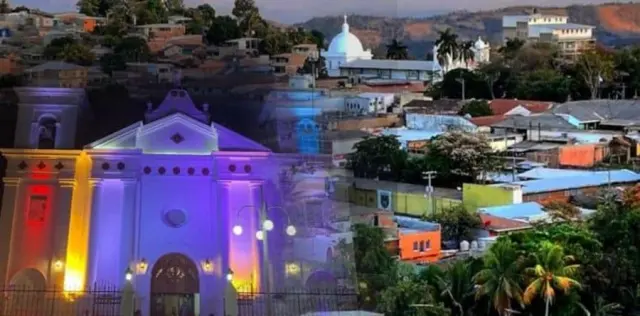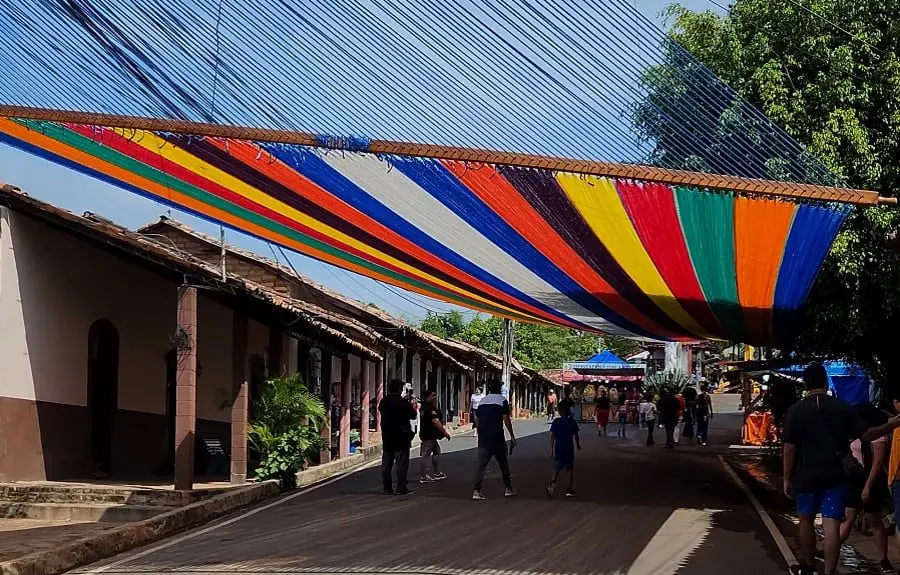
A mountain town in northern El Salvador has turned hammock-weaving into a three-day party, and the 37th edition is coming up. The Festival de las Hamacas in Concepción Quezaltepeque, in the Chalatenango Sur district, runs November 6-8, 2026, with most of the action centred on the town's main square.
The festival dates back to 1989, when it was created to put the spotlight on local weavers whose families have passed the craft down for generations. Hammocks here aren't souvenirs so much as a livelihood — buying one directly from an artisan at the fair supports households that have relied on weaving for decades. Expect everything from simple everyday designs to elaborate multicoloured pieces, plus a showstopper: a giant handmade hammock measuring 60.20 metres long and seven metres wide.
The programme mixes craft with carnival. Friday opens with a parade of six festival queen candidates, followed by the inauguration and coronation. Saturday brings the artisan fair, folkloric music and dance, free atol shuco (a thick traditional corn drink), kids' activities and a fireball show. Sunday wraps up with classic cars, live music, artisan exhibits and a pupusa-eating contest. Food vendors sell pupusas and other local specialities throughout.
One practical wrinkle: the town's schedule says November 6-8, but the official El Salvador Travel calendar lists November 7-9, so confirm dates locally before booking travel. The programme also changes year to year — some editions add concerts, pageants or competitions — so check announcements closer to the time.
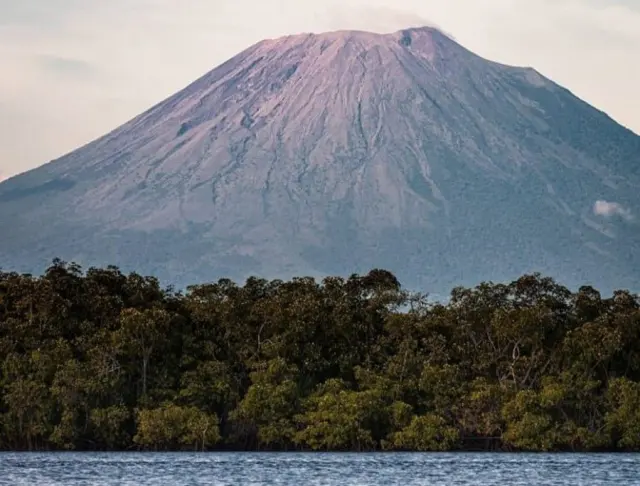
Concepción Quezaltepeque sits in the mountains of northern El Salvador, about 65-70 km north of San Salvador, surrounded by rural scenery and small traditional communities. It's a genuinely local celebration rather than a tourist production, which is exactly the appeal: you meet the weavers, watch the craftsmanship up close, and see a town celebrate an identity it built with its own hands.
For travellers, it pairs naturally with a wider crafts route through El Salvador. San Sebastián, further south, is the country's other weaving powerhouse, known for its textile looms, and the two towns make a nice compare-and-contrast of Salvadoran artisan traditions. The festival lands in November, at the tail end of rainy season when the hills are still green — a good moment to combine the fair with hikes or coffee-country detours in Chalatenango.
If you want an authentic slice of Salvadoran culture away from the beach towns, this is an easy one to recommend: cheap, friendly, walkable, and you might leave with a hammock woven by the person who sold it to you.