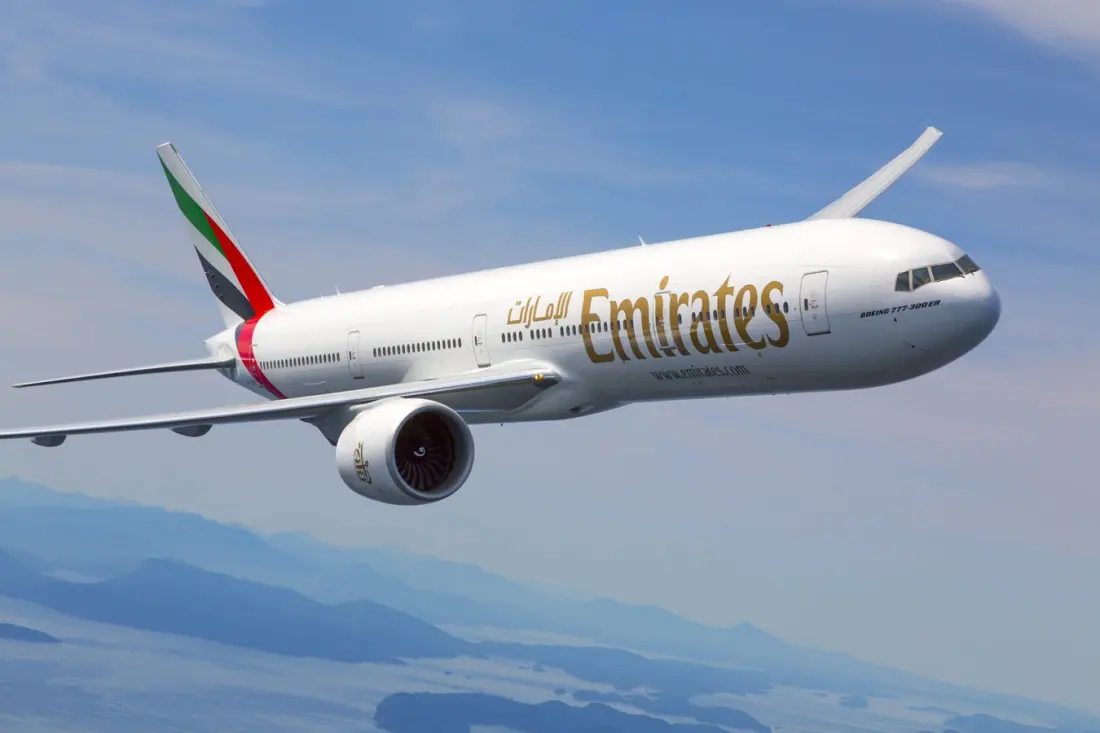
Emirates has added Wiston Estate Brut NV to its onboard wine list, and it's a milestone: the first English sparkling wine the Dubai carrier has ever served. The catch (or the perk, depending on your fare) is that it's exclusive to Premium Economy and only on UK routes, starting this October.
Wiston Estate is a family-run property in West Sussex, growing Chardonnay, Pinot Noir and Pinot Meunier on the chalky soils of the South Downs. Made by the traditional method with reserve wines and extended lees ageing, it has real pedigree — the winery has been named WineGB Winery of the Year six times. Tasting notes run from green apple and lemon to candied citrus, butter and toast, with a fine mousse. Emirates says the UK-only listing is a deliberate nod to British provenance and craftsmanship.
It's one piece of a much larger refresh. First Class passengers get Dom Pérignon Vintage 2017 and Château Mouton Rothschild 2003, while the new Economy additions lean French and South African: Domaine de la Baume Tautavel 2023, a Grenache-Syrah from Roussillon; Château Pech-Latt Corbières 2024 from October; Cuvée Sabourin Picpoul de Pinet 2024, a bright, saline white built for seafood; and Journey's End Weather Station Sauvignon Blanc 2025 from Stellenbosch. Every cabin on the global network gets new wines in the coming months.
The scale behind all this is genuinely unusual. Emirates has poured more than $1 billion into its wine programme since 2006 and now holds around five million bottles in storage in France. Wines are bought years before they're ready — Bordeaux for Business Class ages a minimum of eight to ten years, First Class selections at least twelve to fifteen — and chosen partly for how they hold up at altitude, with acidity, tannin and maturity all weighed. Because many are sourced in small parcels, some of what lands in your glass is hard to find anywhere else.
Why should a traveller care? If you're flying Emirates out of the UK in Premium Economy, you'll soon be drinking an award-winning Sussex sparkler that most people still have to visit the vineyard to try properly. It's also a sign of how far English wine has come — good enough for one of the world's most demanding onboard cellars. And even in Economy, the new list skews thoughtful rather than generic, with regional French bottles and a fresh South African white doing the heavy lifting.