The World Meteorological Organization's State of the Global Climate Update 2026, released ahead of the COP31 summit in Antalya, Türkiye, contains a stark headline: the planet is now holding onto more energy than it releases into space, the highest imbalance since records began. Global average surface temperatures from January to September 2026 sat roughly 1.47°C above pre-industrial levels, and 2026 is on track to be one of the four warmest years ever recorded. Global mean sea level also hit a record high.
The oceans take most of the hit — around 90% of the excess heat — which buys some time for air temperatures but stresses marine life, from coral reefs to fish stocks. On land, the picture is just as concerning: freshwater storage has been declining since 2014, and in 2025 42% of assessed land areas recorded below-average water levels.
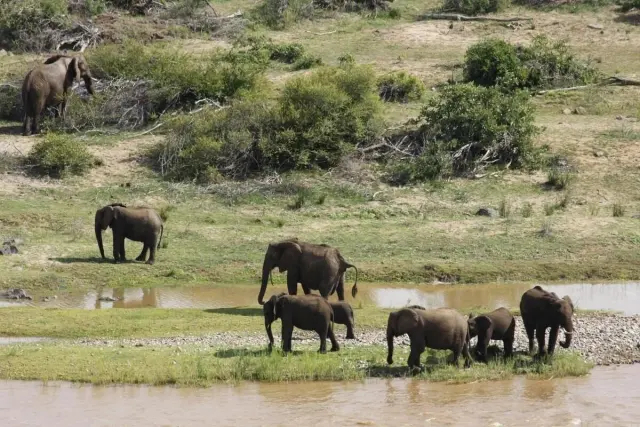
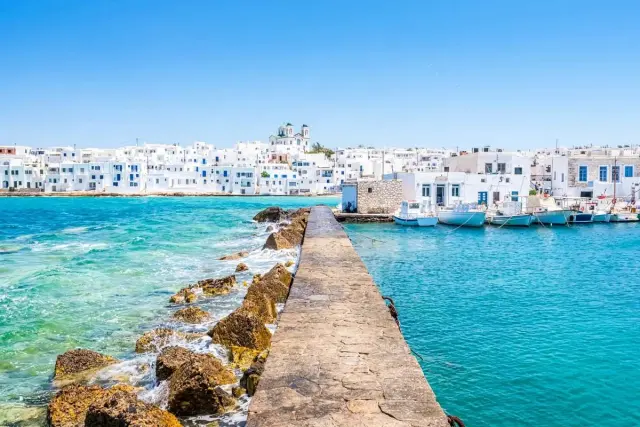
For a country like South Africa, where tourism leans heavily on coastline, wildlife reserves and outdoor experiences, these findings translate into real travel considerations. Coastal towns in the Western Cape, Eastern Cape and KwaZulu-Natal face erosion, flooding and storm surges that can affect beaches, roads and accommodation. Water security is an increasingly practical concern for hotels, restaurants and campsites in drought-prone regions — think garden landscapes, pools and even the availability of water for local communities. On safari, shifting rainfall and extended droughts change where animals gather and how ecosystems function, while warmer oceans raise the risk of coral bleaching in diving and fishing destinations.
There's also the weather itself. An El Niño event has been strengthening since August 2026 and is expected to peak strongly towards year-end, with effects possibly running into early 2027. WMO Secretary-General Celeste Saulo notes El Niño doesn't add heat — it releases heat already stored in an unusually warm ocean. Depending on the region, that means either extra rain and flooding, or hotter, drier conditions, on top of an already stressed climate system.
Why should travellers care? Because the destinations you book are not static. Heatwaves, storms and drought can disrupt itineraries, and water or heat restrictions may be in place when you arrive. Practical takeaways: check seasonal weather patterns and official advisories before you go, travel outside peak-stress periods where possible, use water thoughtfully in dry regions, and favour operators and lodges that take sustainability and community resilience seriously. The places worth visiting are the ones that need looking after.