Kyrgyzstan has quietly rewritten the rules on who needs extra screening before being allowed to carry a firearm or work as a private security guard. A new resolution signed by Cabinet Chairman Adylbek Kasymaliev amends the country's weapons framework, and the key change is this: an electroencephalogram (EEG) and a formal psychological assessment are no longer automatic parts of the licensing process. They will now only be required when a psychiatrist deems them clinically necessary and issues a referral.
The amendments modify Resolution No. 237, which dates from April 30, 2022 and sets out the list of medical conditions that disqualify someone from carrying a gun or working in private security. Officials frame the change as a tidy-up: bringing the contraindication list in line with the Law on Weapons and cutting tests that arguably add little value in straightforward cases. Under the new wording, a doctor decides based on medical indications whether the extra examinations are needed at all.
In practical terms, the baseline medical check remains, but the EEG and psychological evaluation move from a blanket requirement to a targeted one. That should speed things up for most applicants — private security guards, who need clearance to work armed, are likely the largest group affected. The resolution takes effect ten days after signing.
Why does this matter to anyone reading a travel site? Honestly, only a little, and it is worth being clear about that. Ordinary holidaymakers visiting Kyrgyzstan — whether trekking around Song-Kul, horseback riding in the Alay Mountains, or wandering Bishkek's Osh Bazaar — are not applying for local gun licences and are not touched by this change. Foreign visitors do not need to do anything differently.
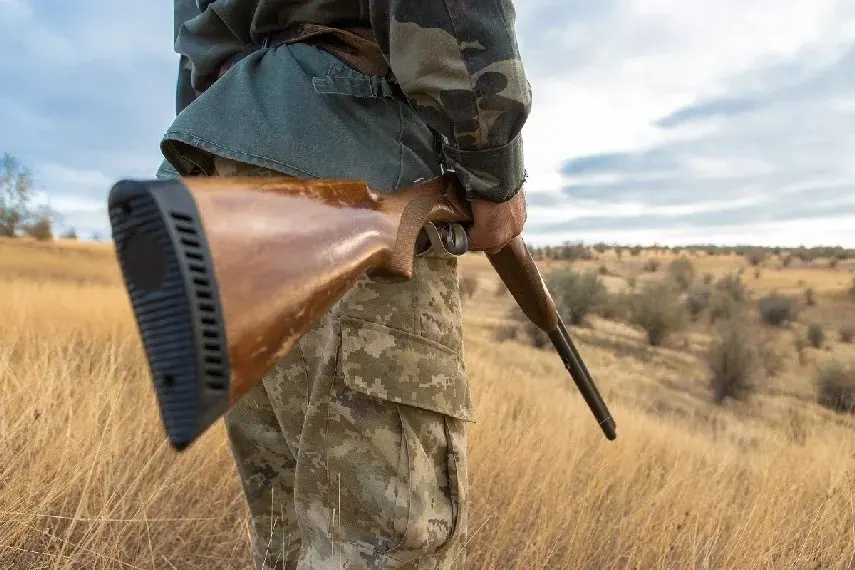
Where it might brush up against travellers is at the margins. Kyrgyzstan has a growing hunting-tourism niche, and a small number of specialised outfitters arrange licensed hunts for foreign clients. Rules around local permits and medical certification sit behind those arrangements, so operators in that space will need to track the new procedure. Some expats and long-stay residents may also hold local firearms licences, and for them the change could mean a shorter, cheaper renewal process now that blanket EEG and psych testing is off the menu unless a psychiatrist asks for it.
Beyond that, the story is mostly a domestic regulatory footnote — a sign of how Kyrgyzstan continues to fine-tune its 2022 weapons framework rather than a shift that alters anything on the ground for visitors. If you were planning a trip to the Tian Shan this summer, nothing here changes your plans. File it under context: the country is actively updating its legal machinery, including rules most tourists will never encounter.
The full resolution text is available via Kyrgyz news agency 24.kg, which first reported the signed document.