Estonia is closing its road border crossings with Russia from 1 December, a move announced after an attempted arson attack on an Estonian drone company that authorities blame on Russian military intelligence.
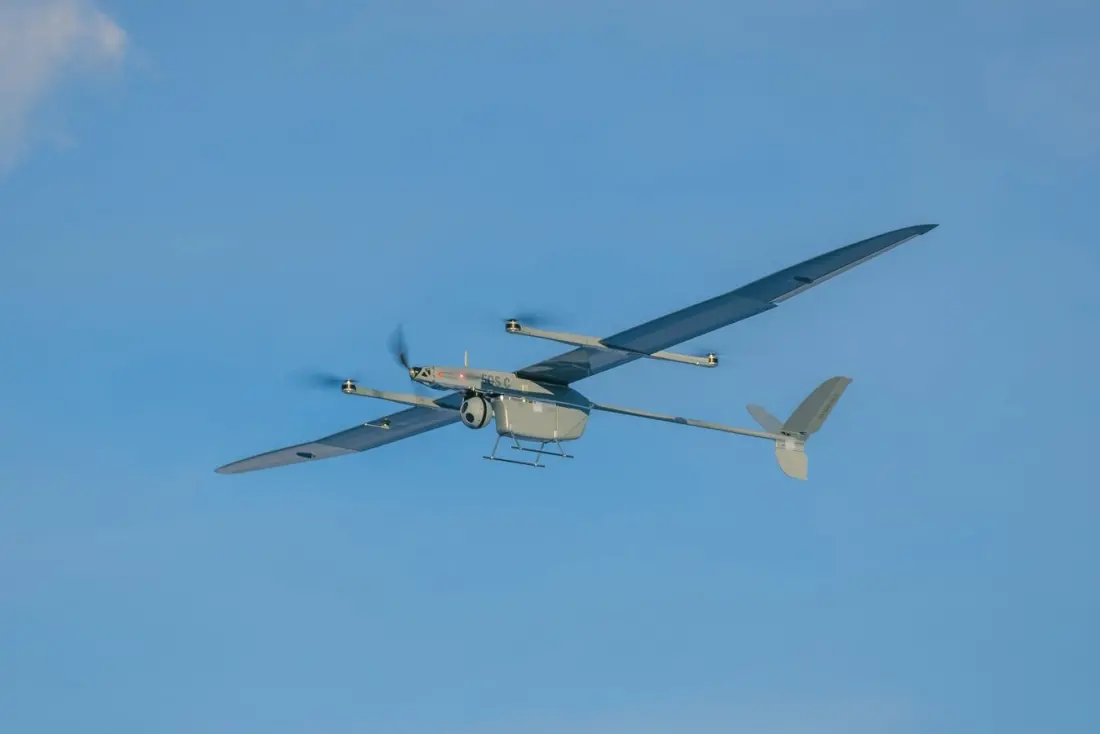
The target was Threod Systems, a defence manufacturer based in Viimsi, just outside Tallinn. In the early hours of a Saturday, eight people — all Latvian residents — allegedly tried to break into the building to pour flammable liquids inside and trigger an explosion. Threod's own security team stopped them before any damage was done. Nobody was hurt, and the company says its production and deliveries are unaffected.
Estonia's Internal Security Service, Kapo, says its counter-intelligence work established the operation was coordinated by Russia's GRU. Director general Margo Palloson described it as another Russian sabotage attempt on Estonian soil. Latvian security services joined the investigation after receiving intelligence of their own; searches at nine locations in Latvia turned up explosive items, ammunition and data storage devices. Estonian prosecutors are seeking custody of five of the eight suspects, who investigators believe were recruited and paid to carry out the attack.
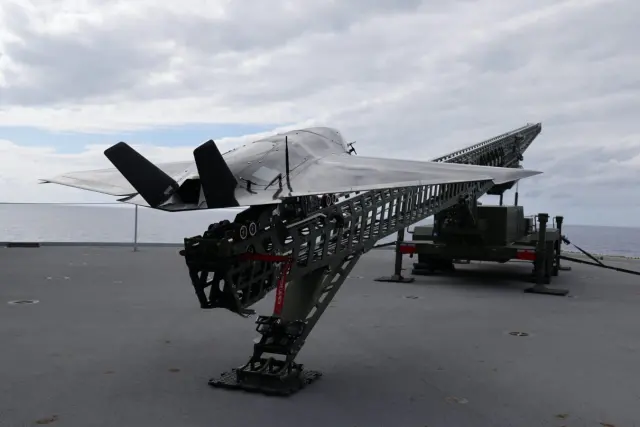
Why Threod? The company's Cata B launcher recently supported the Royal Navy's first strike drone launches from an aircraft carrier during trials aboard HMS Queen Elizabeth, and the UK Ministry of Defence has selected the same launcher for its Asgard attack drone programme, with a contract worth nearly £5 million in preparation. Estonia sees the attack as part of a pattern: in September, Kapo blamed Russian intelligence for an August arson attack on defence robotics firm Milrem Robotics. Officials say such operations aim to intimidate businesses, disrupt production and slow the flow of military equipment to Ukraine.
Foreign minister Margus Tsahkna framed the border closures as a security measure that will also curb sanctions circumvention, and he has coordinated with counterparts in Latvia, Lithuania and Finland. Prime Minister Kristen Michal has convened the government's security cabinet and promised a firmer response, not a retreat.
For travellers, the practical takeaway is straightforward: driving between Estonia and Russia is no longer an option from 1 December, and anyone planning trips that combine the Baltic states with Russia's neighbour regions — historically popular with visitors to St Petersburg or via the Narva crossing — will need to rethink routes. The closure adds to an already tight visa regime, and with EU foreign ministers discussing stricter measures, further restrictions are possible. Trips within Estonia, Latvia and Lithuania are unaffected; the sabotage investigation has not targeted tourists or general infrastructure. But anyone crossing the Baltic-Russian border for any reason should monitor official Estonian Police and Border Guard announcements before booking.