More than 50,000 excess deaths across European towns and cities are being attributed to extreme heat this summer, according to two peer-reviewed studies set for publication in Nature Health. The research, from Imperial College London and the London School of Hygiene & Tropical Medicine, analysed 854 urban areas across 30 countries — EU member states plus the UK, Norway and Switzerland — covering roughly 40% of those populations.
The starkest finding: about two-thirds of the estimated heat deaths are linked to human-driven climate change, primarily from burning fossil fuels. In other words, most of this toll wasn't just a freak weather event — it was the result of a warmer baseline making an already hot summer markedly more dangerous.
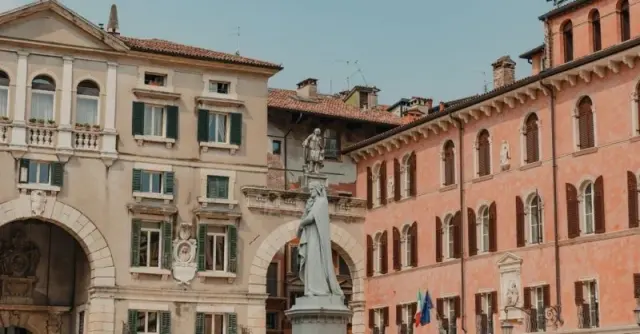
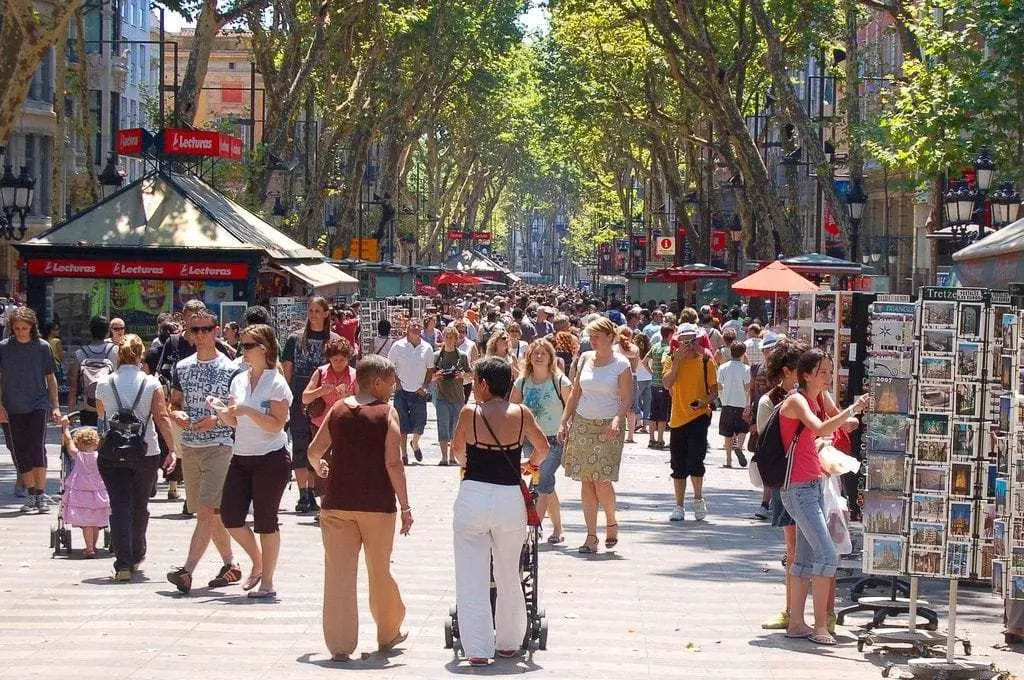
For travellers, the numbers land hardest in the places people actually visit. Popular tourist cities spent the summer under fire for offering little relief: sparse shaded spaces and patchy air conditioning became a recurring complaint, with AC itself turning into a kind of culture war between climate action and personal comfort. Some destinations have leaned on historic stone buildings and natural cooling; others have simply been caught unprepared as heatwaves arrive earlier, linger longer and push temperatures higher than local infrastructure was designed for.
This isn't a reason to cancel a European holiday, but it is a reason to plan one differently. The studies signal that heat has become a genuine safety issue, not just an inconvenience — something tour operators, hoteliers and city authorities are having to reckon with alongside visitors. Expect more discussion about shaded routes, cooling centres, pool access, and whether hotels keep air conditioning switched on rather than controlled by room sensors.
Practically, that means treating a summer city break in southern Europe the way you'd treat any activity with real physical risk. Shift sightseeing to early morning and evening, build in long indoor breaks, check that your accommodation has proper cooling before you book, and pay attention to local heat warnings — many cities now issue them alongside weather forecasts. Travellers over 65, families with young children, and anyone with heart or respiratory conditions have the most skin in the game, since excess heat deaths concentrate in vulnerable groups.
Shoulder seasons — May, late September, October — look increasingly attractive for Mediterranean city trips, offering the same sights with far less strain. And if you do travel in peak summer, water, a hat and a flexible itinerary are no longer optional extras.
The broader takeaway is that Europe's summer travel patterns are starting to shift, and both destinations and visitors are adapting. Heat is now part of the risk calculus, alongside pickpockets and pickpocket-proof bags. Plan for it, and there's no reason a summer trip can't still be a good one — just a better-timed one.
Story via Skift.