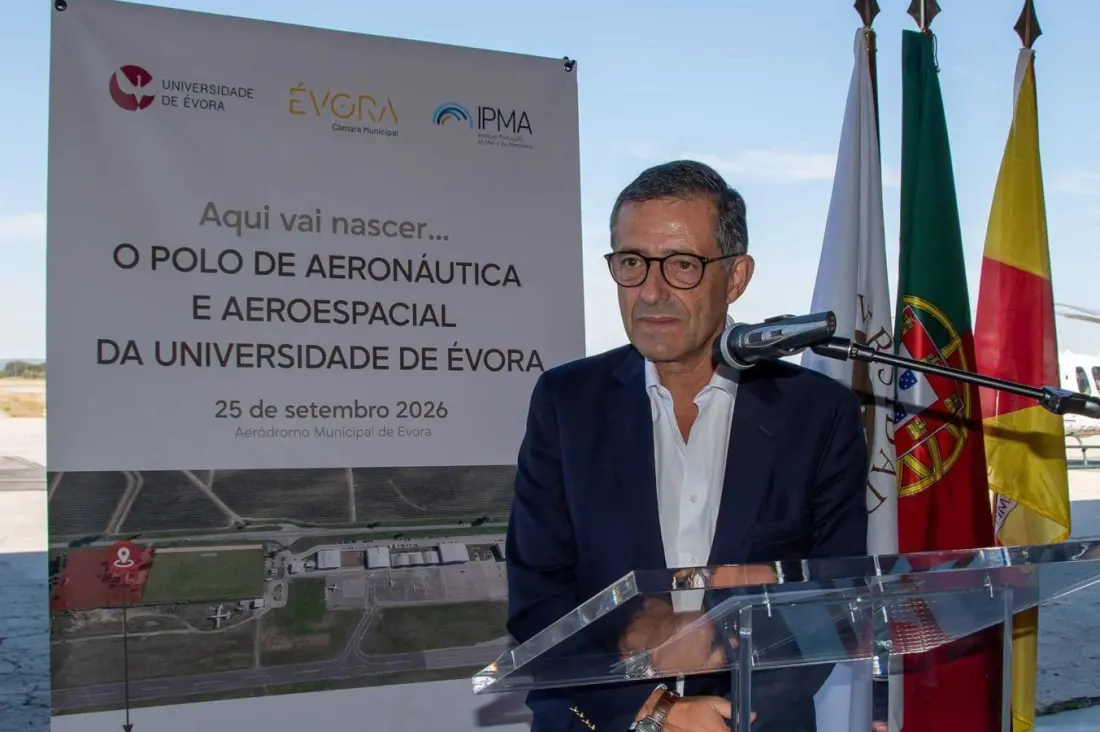
Évora, the UNESCO-listed city in Portugal's Alentejo best known for its Roman temple and whitewashed old town, is quietly building a second identity: an aerospace hub. The University of Évora will invest about €1 million in a new Aeronautics and Aerospace Centre at the city's municipal aerodrome, splitting the budget evenly between renovating facilities and kitting out laboratories.
The setup is a three-way affair. Évora Council is handing over part of a former pilot training school for classrooms, while the national meteorological institute IPMA contributes space at its neighbouring Regional Meteorological Centre for labs. Students also get access to a shared hangar and the aerodrome itself for hands-on work. The university's vice-chancellor, António Candeias, says the aim is to make the young Aerospace Engineering degree a national benchmark.
That degree only launched last academic year and already has 40 students, with 25 more places opening in the second round of applications. A master's programme is planned too, so students could complete a full five-year engineering qualification without leaving Évora — the first classes at the new centre could start as early as this academic year's second semester.
The project has political weight behind it. Secretary of State for Science and Innovation Helena Canhão framed aerospace as a national and European strategic priority, with knock-on potential in communications, climate technology and detection systems. Mayor Carlos Zorrinho wants to give the city's aeronautics sector "a new impetus", noting strong demand from security and defence industries. The practical hope: keep skilled young people in the Alentejo instead of watching them leave for Lisbon or abroad.
Why should a traveller care? Mostly as a signpost. Évora has long been a day trip from Lisbon, but the region is diversifying fast, and improved infrastructure and university energy tend to ripple outwards — more services, more reasons to stay overnight. The aerodrome itself is already known to light aviation fans, and the city's compact historic centre, megalithic sites nearby and wine country make it a solid two-night stop. If the centre eventually branches into robotics, climatology and civil protection research as planned, it may even open doors to science-adjacent tourism down the line. For now, file it under: Évora is on the way up.
Story first reported by Portugal Resident.