
A passenger ferry carrying 243 people capsized in the Java Sea during bad weather, leaving at least six dead and 129 missing. The Virgo Transport 8 had departed Surabaya in East Java on Saturday and was bound for Banjarmasin in South Kalimantan when it lost contact with authorities. A passing helicopter spotted the capsized vessel, and rescue crews pulled 108 people from the water, some of whom were transferred to other ships and due to be taken to an East Java port.
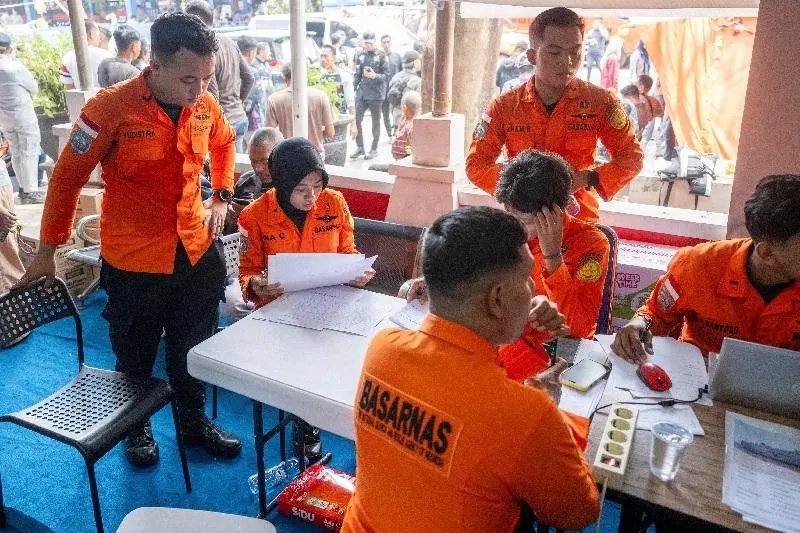
Survivor accounts paint a grim picture of the night. One passenger, Rinto Arahab, told Reuters he clung to the railings as the ship flipped, then scrambled onto the highest point he could reach while the vessel tossed in the swell. In Banjarmasin, families gathered at a rescue centre to wait for news — among them a woman named Putri, who had been on the phone with her husband Herman aboard the ship before the signal cut out.
The cause of the capsizing is still under investigation, according to transport minister Dudy Purwagandhi. Indonesia's search and rescue agency initially reported the ship had sunk before confirming it had overturned in rough seas.
For anyone travelling in Indonesia, the incident is a stark reminder of what inter-island travel here really means. The country spans around 17,000 islands, and ferries remain the backbone of domestic transport simply because they're far cheaper and more available than flights. Millions of locals and backpackers alike use these routes every year, and most crossings are uneventful. But safety standards vary widely between operators, and the fleet includes many older vessels.
A few practical habits make a difference. Check the weather before booking a crossing — conditions in the Java Sea and other Indonesian waters can deteriorate fast, especially in monsoon season. Prefer larger, well-known operators with life jackets visibly available, and note where they're stowed when you board. If an operator is running sailings in obviously bad weather, think twice. And keep your phone charged and a contact briefed on your route, as family members in this case relied on calls for news.
It's worth stressing that this disaster doesn't make Indonesian ferries inherently off-limits — for routes like Java to Bali or crossings in the Gili Islands, they're a normal part of travel. But incidents like this one, which echo earlier ferry losses in Indonesian waters, are a good prompt to be deliberate about which boats you board and when.
Reporting via Japan Today (source: Reuters).