Uzbekistan has a striking new cultural landmark: the Islamic Civilization Centre in Tashkent, officially opened on 17 March 2026, and it's already drawing praise well beyond the region.
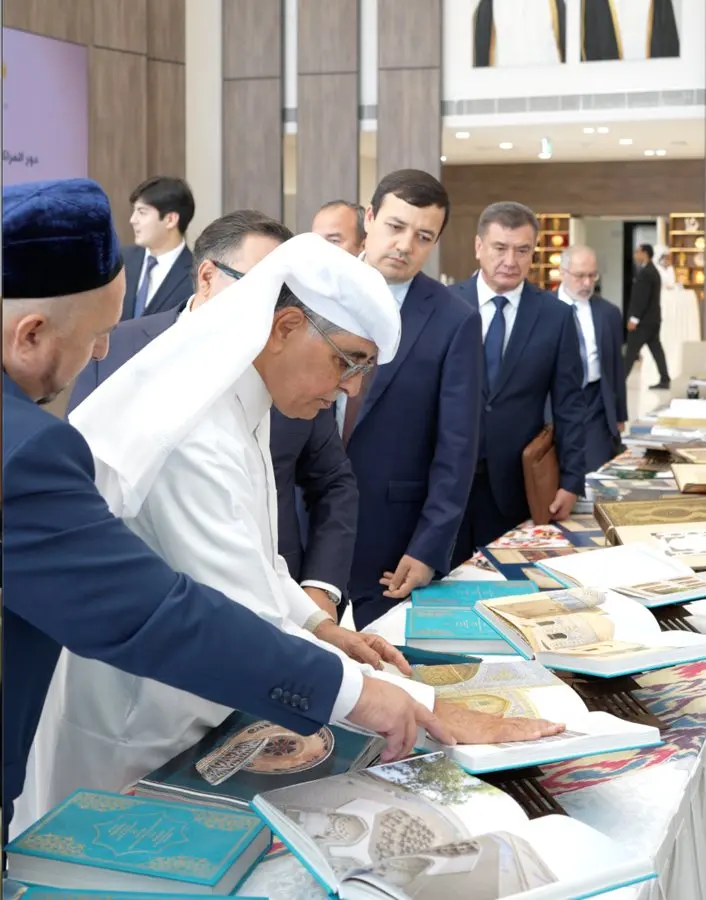
The project was celebrated at an event in Doha hosted by the Uzbek embassy at Qatar's Diplomatic Institute, where Qatar's Minister of State and Qatar National Library president Hamad bin Abdulaziz Al-Kawari called it an initiative that serves the international community, not just Uzbekistan. He argued that Central Asia's role as a heartland of Islamic civilisation was long under-recognised, particularly during the Soviet era, and that the new centre helps correct that.
So what is actually there? The complex combines a museum, a library and research facilities, with exhibitions that reach back past the arrival of Islam and through the Islamic Golden Age. For visitors, that means a single stop in the capital where you can trace how the region shaped mathematics, astronomy, medicine and religious scholarship.
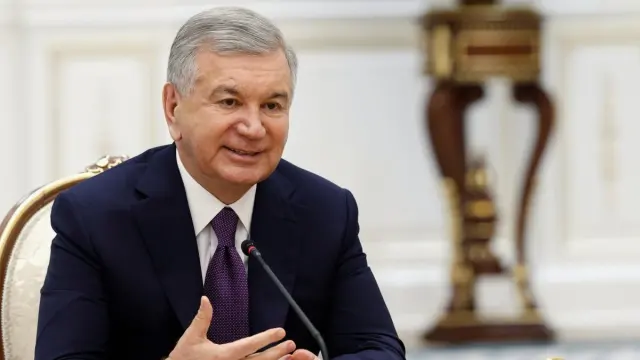
Uzbekistan's ambassador to Qatar, Ashraf Khodjaev, framed the centre as a bridge between Central Asia and the Middle East, pointing to scholars the region gave the world: Imam al-Bukhari, whose hadith collection is foundational; al-Khwarizmi, the mathematician whose name gave us the word "algorithm"; and the polymath al-Biruni. He also stressed that the centre is meant for younger generations, an idea championed by President Shavkat Mirziyoyev as a way of keeping this heritage alive rather than leaving it in archives.
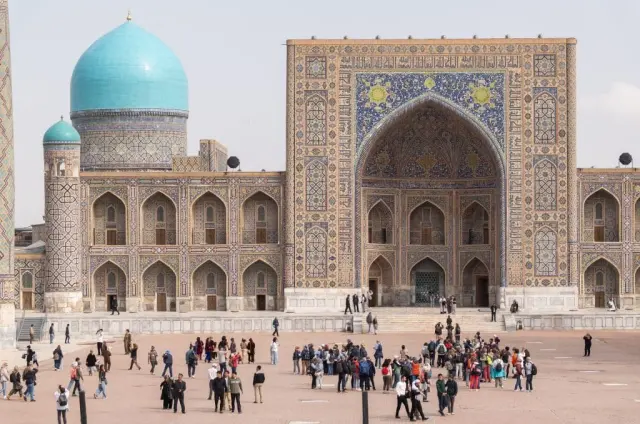
Why should this be on a traveller's radar? Tashkent is often treated as a transit point en route to Samarkand, Bukhara and Khiva, but the city is quietly building reasons to linger. The centre adds to a capital that already offers the Hazrati Imam complex with its famous Uthman Quran, the Chorsu Bazaar and an efficient metro famed for its decorated stations. For anyone interested in Silk Road history or Islamic art and science, it's a natural first stop on an Uzbek itinerary — and it slots neatly into a longer trip through the ancient cities further west.
There's also a practical angle: Qatar and Uzbekistan have been deepening cultural ties, and increased Gulf interest in Central Asia tends to bring better flight connections, more hotels and smoother travel logistics. Uzbekistan already offers visa-free or simplified entry to a long list of nationalities, making a Tashkent-to-Samarkand trip easier than ever to arrange.
If you're planning a trip, aim to spend a couple of days in the capital before heading out on the high-speed Afrosiyob train to Samarkand — and check the centre's exhibition programme before you go, as museums of this scale usually rotate temporary shows alongside their permanent displays.