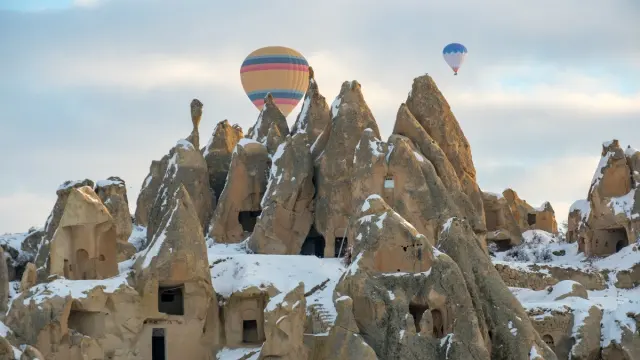
A section of Cappadocia's famous rock formations collapsed near Göreme on Thursday 29 October, killing three people and injuring five others. Heavy rainfall triggered a landslide that sent rocks breaking away close to the town's open-air museum, one of the most visited sites in central Turkey.
The collapse happened at around 3.15pm local time, according to Nevşehir Governor Huseyin Kok. The area was shut to visitors as emergency teams worked at the scene. Early reports put the death toll at two, with one person hospitalised, but as rescue operations continued a third body was recovered. Turkey's national news agency, Anadolu, later confirmed five people were injured. Authorities have opened an investigation into what caused the collapse.
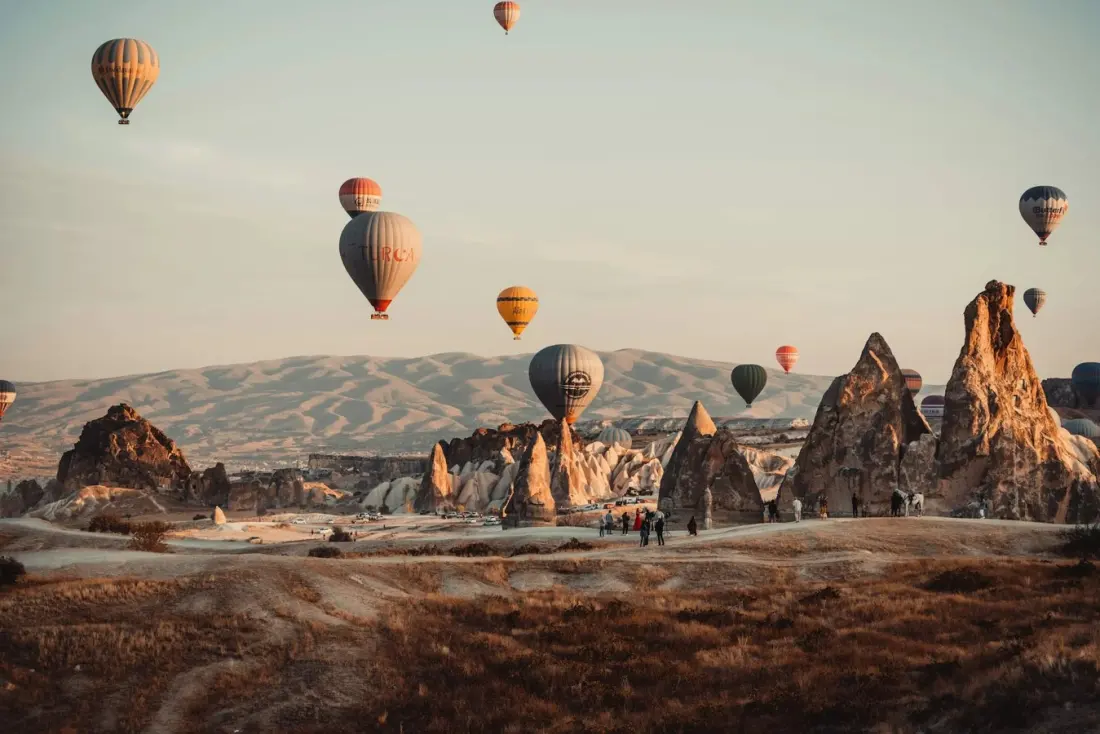
Cappadocia is one of Turkey's most recognisable destinations. Its surreal rock spires — known as fairy chimneys — were carved over millennia by volcanic eruptions and erosion, and the region pairs these geological oddities with rock-cut churches, sprawling underground cities and a hot-air ballooning scene that draws travellers from around the world. Parts of the area hold UNESCO World Heritage status.
But the same soft rock that makes the region so distinctive is also fragile. Heavy rain accelerates erosion, and the formations are vulnerable to weather-related damage even as conservation and restoration teams work to protect them. The collapse near Göreme is a stark reminder that the terrain around the valleys isn't just photogenic — it's actively crumbling in places, especially after sustained downpours.
For anyone planning a trip to Cappadocia, the practical takeaway is to pay attention to local warnings and site closures, particularly in the rainy season. Stick to marked paths around open-air museums and viewpoints, and don't approach or shelter directly under rock faces after heavy rain. Closures after incidents like this can last days while engineers assess stability, so it's worth building flexibility into itineraries centred on Göreme, Uçhisar or the Ihlara Valley. Balloon flights, the region's headline experience, are also weather-dependent and frequently cancelled in poor conditions, so a rain-blighted trip may need backup plans like underground city visits or pottery workshops in Avanos.
The tragedy won't change what makes Cappadocia extraordinary, but it does underline that access rules there exist for good reason — the fairy chimneys are still being shaped by nature, sometimes suddenly.