The Pacific Islands' diplomatic machine has rolled into Antalya, Türkiye, for COP31, and its message to the rest of the world is blunt: promises on climate change need to start turning into cash and action. A 17 November PACNEWS bulletin rounds up the region's push, and it reads like a to-do list for the planet's most exposed corner.
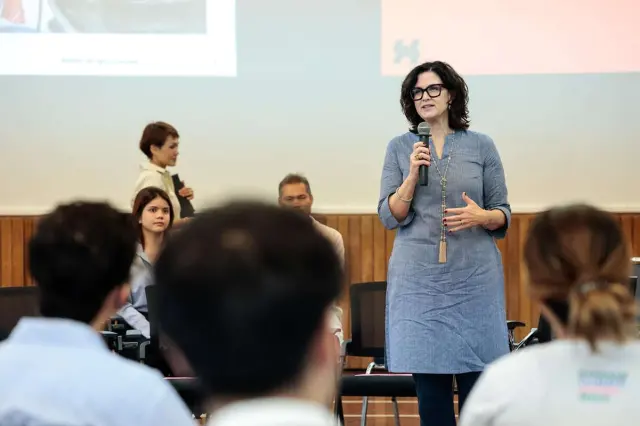
Three Pacific envoys fronted a side event laying out the region's core demands. Tina Stege, envoy for Oceania, called keeping global warming within the 1.5°C limit "non-negotiable" and pushed for a fast, fair move away from fossil fuels. Ruel Yamuna, focused on climate finance, argued funding must be available, accessible and affordable for small island states — hence the Pacific Resilience Facility and efforts to cut the red tape around international climate money. Fiji's Inia Seruiratu, speaking from personal experience of sea-level rise, wants the ocean treated as central to climate solutions, not an afterthought. Forum Secretary General Baron Waqa summed it up: implementation, not more statements.
Money was the recurring theme. At another session, Forum adviser Karlos Lee Moresi made a pointed argument: climate finance shouldn't be judged by workshops held or reports published, but by measurable improvements in people's lives. He warned against loading already-battered communities with debt and argued grants, not loans, should be the default for local-level climate work.
There were concrete wins. Fiji's Lynda Tabuya signed a Statement of Intent with Green Climate Fund chief Mafalda Duarte confirming Suva as host of the Fund's new Pacific sub-regional office — meaning funding decisions will sit closer to the communities they affect. Tonga's Hu'akavameiliku Siaosi Sovaleni also launched the world's first regional report compiling evidence of climate-driven loss and damage. The Solomon Islands contribution alone documents 63 cases across nine sectors over 40 years — exactly the kind of data that strengthens funding applications and negotiation positions.
Away from the climate talks, the bulletin flags moves on regional maritime security: Pacific officials meeting in Suva to shape the Waqa Moana concept, aimed at closing the surveillance gaps that transnational crime exploits across the Blue Pacific.
Why should a traveller care? Because the islands many of us dream about — Fiji, Tonga, the Solomons, Palau — are on the front line, and the outcomes of negotiations like these shape whether destinations can protect coastlines, infrastructure and communities. A Green Climate Fund office in Suva could channel money to resilience projects that keep those places liveable and visitable. Worth noting too for the industry-minded: Fiji recorded its highest-ever October visitor arrivals, proof that tourism demand in the region remains strong even as its leaders negotiate for its survival.