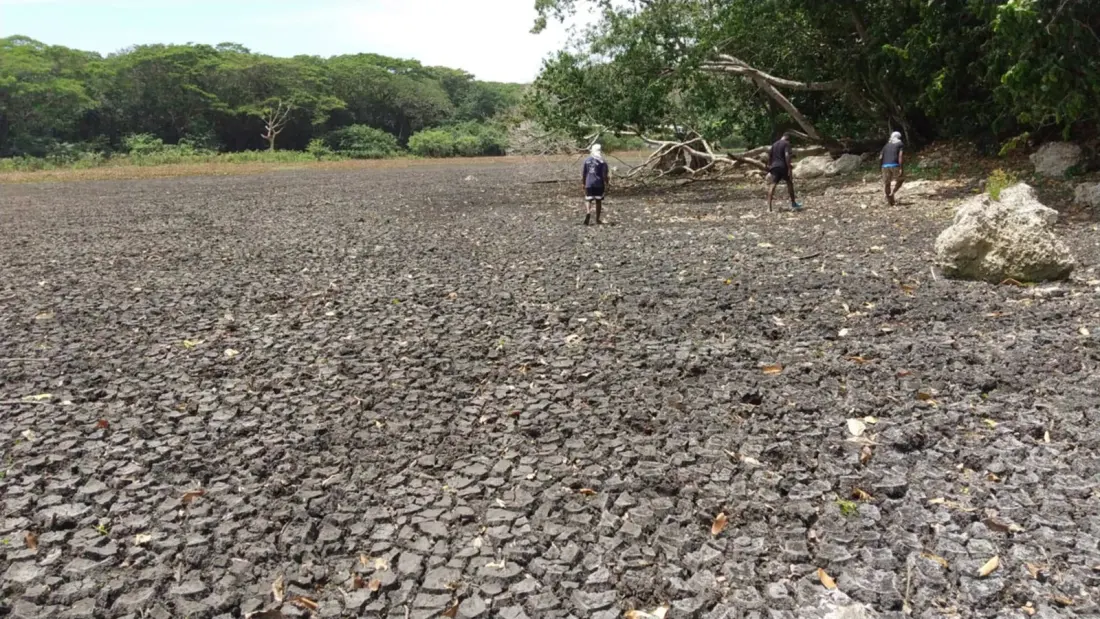
Fiji has declared a National State of Disaster as an El Niño drought strips water supplies across the country. Ninety-two communities currently have no water at all, and of 733 communities assessed by the National Disaster Risk Management Office, 372 are at critical levels with another 244 close behind. The Water Authority of Fiji says more than 61 per cent of monitored water sources have hit critical levels.
The outlook is sobering. Fiji's Meteorological Service expects El Niño to stay strong, peaking around November and December 2026, and the government says below-normal rainfall is likely to persist into early 2027. Even once rain returns, officials warn that dams, rivers and groundwater will need extra time to recover.
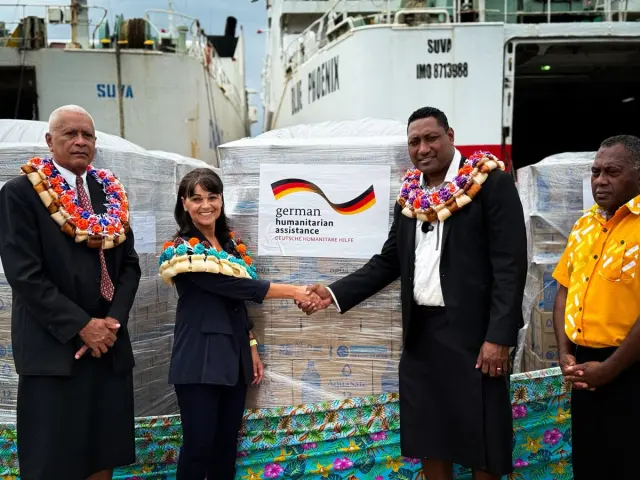
The response goes well beyond trucking in water. Schools have been asked to wrap up activities by Friday 27 November and close the following week, with sports tournaments and events cancelled, to cut demand and free up water for communities. Authorities are activating boreholes, developing alternative sources and prioritising hospitals, health centres and schools. Possible restrictions on car washing, commercial water use and social gatherings are still under assessment.
The knock-on effects touch nearly everything a visitor might notice. Energy Fiji Limited reports falling hydropower reserves and is lining up standby generation, so power supply could come under strain. Agriculture and food security are also affected, with six drought-response initiatives covering water access, irrigation and rural livelihoods. Health agencies are stepping up disease surveillance and hygiene campaigns to prevent waterborne illness.
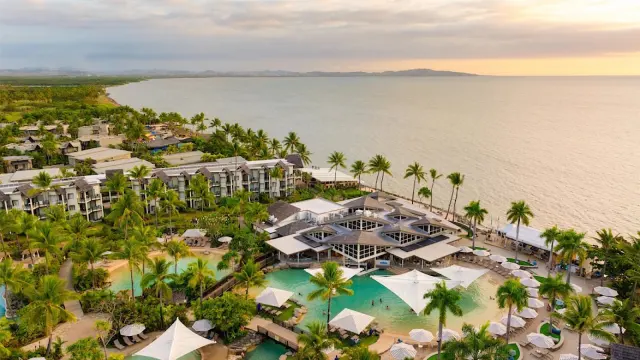
For anyone with a Fiji trip on the books, this isn't a reason to cancel outright — resorts in areas like Denarau and the Mamanucas typically run on their own water systems and have buffers most villages don't. But it does mean travelling thoughtfully. Expect possible water pressure issues in more rural or outer-island accommodation, treat any advisories from local authorities as the rules rather than suggestions, and keep showers short. Bushfire risk is elevated, so care with anything flammable matters too. If your itinerary leans heavily on remote villages or outer islands, it's worth confirming water arrangements with your accommodation before you go.
The situation is evolving, and the government is asking both residents and businesses to prioritise water for drinking, cooking and essential hygiene. Check the latest advisories close to your travel date.